
US and Canada Impose Strict Ebola Travel Controls for DRC Arrivals
The U.S. and Canada have implemented strict travel restrictions, commercial flight bans, and quarantine rules for travelers from the DRC, Uganda, and South Sudan due to an Ebola outbreak.
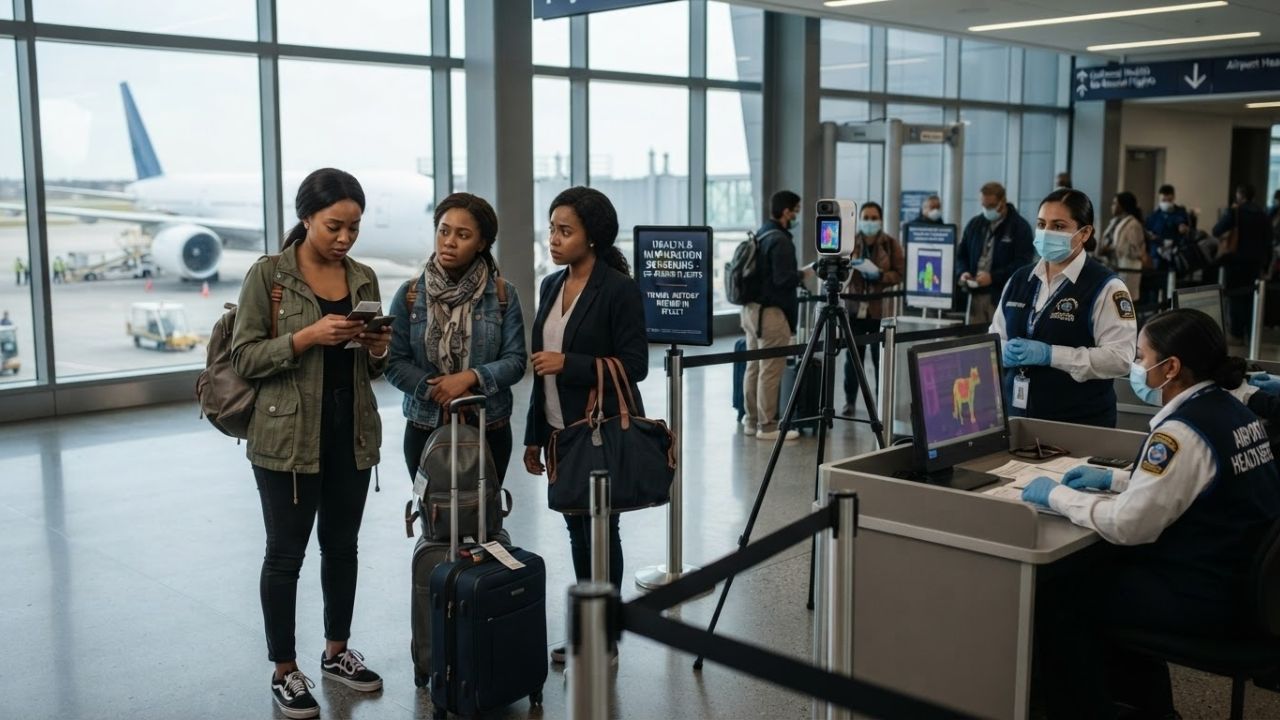
Image generated by AI
Enforcing commercial boarding bans for anyone with a 21-day history of visiting the DRC, the United States and Canada have implemented health travel controls following a Bundibugyo Ebola outbreak.
The Core Transit Update
International border safety agencies and commercial flight carriers are enacting health security measures. Due to the expanding Bundibugyo Ebola outbreak in the Democratic Republic of the Congo (DRC), which has recorded 4,209 confirmed cases and 1,916 deaths by August 7, 2026, the U.S. and Canadian governments have introduced entry restrictions.
Under the new rules, anyone who has visited or transited through the DRC during the previous 21 days—including U.S. and Canadian citizens—is prohibited from boarding commercial flights to the United States. Additionally, passengers entering the U.S. after visiting Uganda or South Sudan are routed through four designated screening airports, while visa processing has paused at embassies in Kinshasa, Kampala, and Juba.
Border Control Measures & Outbreak Metrics
Navigating international travel from affected areas requires checking entry rules and tracking outbreak caseload developments. The following tables outline the active U.S. and Canadian travel controls and the Bundibugyo Ebola outbreak metrics.
| Traveler Origin / Route History | U.S. Entry & Boarding Rule | Canada Entry & Boarding Rule | Designated Port of Entry Gates | Required Monitoring |
|---|---|---|---|---|
| DRC Recent Travel (last 21 days) | Complete commercial boarding ban (citizens must wait until Day 22) | Boarding ban on foreign nationals; Citizens face 21-day quarantine | N/A (U.S.) / Quarantine facility (Canada) | 21-day quarantine & monitoring |
| Uganda / South Sudan (last 21 days) | Permitted boarding; routing through 4 airports required | Mandatory quarantine for all arrivals (foreigners & citizens) | JFK, ATL, IAD, IAH (U.S. arrivals) | Health interview & temperature checks |
U.S. and Canadian travel controls for Central/East Africa health zones (August 2026).
| Reporting Milestone Date | Confirmed DRC Cases | Confirmed DRC Deaths | Calculated Case Fatality Ratio | Number of Affected Health Zones |
|---|---|---|---|---|
| July 30, 2026 | 3,605 cases | 1,587 deaths | Approximately 44.0% | 49 health zones in five provinces |
| August 7, 2026 | 4,209 cases | 1,916 deaths | Approximately 45.5% | 53 health zones in five provinces |
Bundibugyo Ebola outbreak case and fatality development.
Traveler Logistics Guide
From a ground-level perspective, the best way to navigate this is to review your entire passport stamp and transit itinerary history for the past 21 days before attempting to book a U.S. or Canadian connection, as technical refuelling stops or aircraft transits in the DRC count as exposure under federal health orders even if you did not disembark. Checking airline boarding rules is recommended.
To manage your itinerary:
- Plan Day 22 Departures: If you must transit the DRC, calculate your U.S. travel to begin only on Day 22 after your departure. Count the day after leaving the DRC as day one.
- Observe Designated U.S. Gateways: If arriving from Uganda or South Sudan, ensure your airline tickets are routed through New York (JFK), Atlanta (ATL), Washington Dulles (IAD), or Houston (IAH).
- Prepare for Embassy Suspensions: The pause on visa services in Kinshasa, Kampala, and Juba means new travel, business, and student visas cannot be processed locally.
- Review Canada's Deadlines: Canada's document restrictions are scheduled to run until August 28, 2026, with quarantine mandates ending August 29, 2026, though health authorities can extend these dates.
Infrastructure Impact Assessment
The implementation of designated airport screening gates and visa suspensions protects public health while minimizing terminal disruption at major international transit hubs.
By routing eligible travelers through equipped health check facilities at JFK, Atlanta, Dulles, and Houston, border services coordinate temperature checks and contact monitoring, preventing secondary infection chains and ensuring that global transport networks remain operational under strict safety protocols.
Related Travel Guides
US Wildfires Force Evacuations and Disrupt Outdoor Tourism
Shravani Mela 2026 Deoghar Travel Tips and Logistics Guide
10 Best Travel Tips for Completing Airport Health Screenings, Navigating U.S. Customs Entry Controls, and Arranging Central Africa Transit Routes, According to Reddit
Disclaimer
This article is for informational and educational purposes only. It does not constitute legal, financial, or professional advice. While we strive to provide accurate and up-to-date information, travel policies, regulations, and conditions change rapidly. Always verify information with official sources before making travel decisions. Nomad Lawyer makes no representations about the accuracy, reliability, completeness, or suitability of the information provided. Readers should consult qualified professionals for advice specific to their circumstances. The views expressed in this article are those of the author and do not necessarily reflect the views of Nomad Lawyer.