
US Issues Stark Warning to Europe: Strengthen Ebola Screenings Before World Cup 2026 or Face Travel Bans
The Trump administration pressures European nations to implement rigorous health screening protocols ahead of the 2026 FIFA World Cup amid the Bundibugyo Ebola outbreak spreading across central Africa.

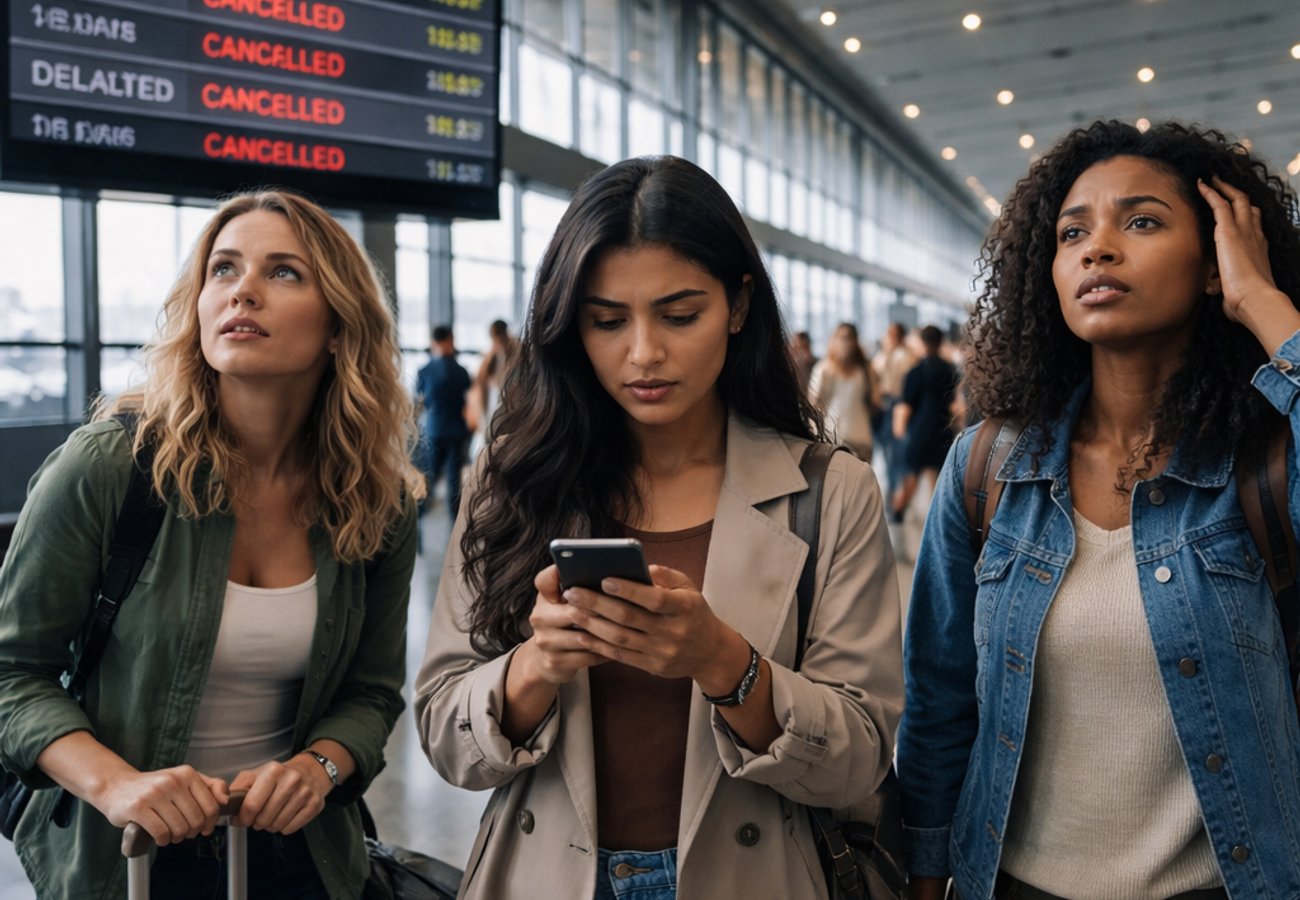
Image generated by AI
The Diplomatic Ultimatum Arrives in European Capitals
The United States State Department has delivered a classified diplomatic directive to American embassies across Europe with a stark message: implement aggressive Ebola screening protocols or face unilateral travel restrictions before the 2026 FIFA World Cup kicks off on June 11.
This isn't a friendly suggestion. The formal communication, transmitted as an official State Department cable to high-level European officials, contains explicit talking points emphasizing that failure to adopt screening standards comparable to those established by the Trump administration could trigger severe consequences. The backdrop is urgent: a particularly dangerous Bundibugyo Ebola strain is spreading rapidly through central Africa—a variant with no approved pharmaceutical treatments or vaccines available to medical practitioners worldwide.
The timing couldn't be more critical. Billions of international travelers are about to converge on North America for one of the planet's largest sporting events. The United States government is effectively telling Europe: get your biosecurity house in order, or we'll do it for you.
Why the World Cup Makes Everyone Nervous Right Now
The scale of the impending tournament is staggering. FIFA has already distributed more than 6 million tickets to fans from every nation on Earth. The competition spans three countries—the United States, Canada, and Mexico—with matches scheduled across 16 host cities, 11 of which sit within the US border.
The final match will take place in New Jersey, just outside New York City. For epidemiological planners, this represents what humanitarian coordinators describe as a "herculean administrative challenge." Millions of athletes, support staff, and spectators will be moving continuously across vast distances, creating an ideal transmission corridor if a pathogen slips through screening.
Susan Reichle, a former USAID counselor and previous director of the Bureau for Democracy, Conflict and Humanitarian Assistance, has emphasized that managing an event of this scale demands profound international coordination and meticulous forward-planning. One breach in screening protocol, and you're looking at a potential public health catastrophe spanning continents.
The Bundibugyo Strain: Why This Ebola Variant Terrifies Public Health Officials
This isn't garden-variety Ebola. The Bundibugyo strain currently circulating has infected hundreds in the Democratic Republic of the Congo and neighboring Uganda, with fatalities already documented. What makes it uniquely dangerous: there is no vaccine. There is no approved treatment.
Reddit: "The fact that there's no pharmaceutical defense against this variant is what's keeping epidemiologists up at night. Every case is essentially a roll of the dice." — r/publichealth
The World Health Organization has reported multiple confirmed cases and deaths across the outbreak zone. However, public health experts have noted that the international community's response has been slower than in previous crises. This slowdown stems directly from structural changes in global health architecture: the United States' formal withdrawal from the WHO, the closure of specific USAID operational frameworks, and the defunding of localized disease surveillance networks in vulnerable regions.
These cuts meant delayed case detection and severely hampered contact tracing in the early outbreak phases—precisely when containing transmission is easiest. By the time the world took notice, the virus was already spreading unchecked.
The Legal Mechanisms Already in Place
The Centers for Disease Control and Prevention (CDC) has already deployed its emergency authority. A 30-day emergency order is now in effect, suspending entry for foreign nationals who have been present in or transited through the Democratic Republic of the Congo, South Sudan, or Uganda within 21 days of arrival. The State Department has simultaneously paused the issuance of new entry visas to individuals meeting these geographic criteria.
Here's the complication: the Democratic Republic of the Congo qualified for the World Cup tournament. The national team is headquartered in Houston. So the US is simultaneously welcoming a potential vector of transmission while implementing aggressive border protocols—a legal and logistical tightrope that underscores just how serious officials view the threat.
American officials have offered explicit assurances that no blanket bans against EU citizens are under consideration. But they've also been equally explicit: if health anomalies or confirmed cases emerge in specific European nations, the United States will deploy unilateral protective interventions immediately. Translation: individual countries could face sudden, surprise travel restrictions if cases are detected.
The American Defense Strategy: $200 Million and Rising
The Trump administration has committed more than $200 million to containing the virus at its source in central Africa. These funds finance extensive contact tracing operations, point-of-entry screening, and dozens of localized medical clinics serving the most affected zones.
Domestically, a multi-layered defense strategy has been constructed. Specialized quarantine facilities now operate in strategic international transit hubs—including Kenya—to monitor exposed American citizens before repatriation. Enhanced medical screening centers have been operationalized at four major US airports to process arrivals from the affected African regions.
Secretary of State Marco Rubio has confirmed that any American citizen testing positive during transit will be immediately routed to the closest specialized treatment facility—either in Europe or the United States—ensuring total isolation and advanced clinical care.
The Leverage Game: Why Europe Should Take This Seriously
What makes this diplomatic push particularly forceful is the implicit threat. The US isn't asking Europe to implement screening standards out of goodwill. It's warning that failure to comply could result in economic disruption affecting billions in World Cup tourism revenue and the movement of travelers to the continent.
For airlines, airports, and tourism operators in Europe, this is a wake-up call. Implementing rigorous health screening protocols at departure points before flights head to North America is now effectively non-negotiable. The alternative—sudden, unilateral US travel bans targeting specific European nations—would be catastrophic for the travel industry.
The Diplomatic cables being transmitted are essentially saying: the US will protect its borders unilaterally if necessary. Europe's cooperation isn't optional; it's a condition of maintaining frictionless transatlantic travel during the World Cup.
The world's largest sporting event is about to become the planet's most intensely monitored biosecurity operation.
Related Travel Guides
China-Backed Tourism Megaproject Transforms Benin's Ouidah Into Global Heritage Destination by 2027
Makkah's Wilderness Parks Transform Saudi Arabia's Eco-Tourism Strategy With Vision 2030 Integration
Disclaimer
This article is for informational and educational purposes only. It does not constitute legal, financial, or professional advice. While we strive to provide accurate and up-to-date information, travel policies, regulations, and conditions change rapidly. Always verify information with official sources before making travel decisions. Nomad Lawyer makes no representations about the accuracy, reliability, completeness, or suitability of the information provided. Readers should consult qualified professionals for advice specific to their circumstances. The views expressed in this article are those of the author and do not necessarily reflect the views of Nomad Lawyer.
Raushan Kumar
Founder & Lead Developer
Full-stack developer with 11+ years of experience and a passionate traveller. Raushan built Nomad Lawyer from the ground up with a vision to create the best travel and law experience on the web.
Learn more about our team →