
Alaska Airlines Faces New Safety Scrutiny: Mid-Air Turbulence Lawsuit Sparks Fear of 'Invisible Chaos' and Airport Disruptions Across Major Flight Corridors
A violent mid-air turbulence incident on Alaska Airlines has sparked a major safety debate and a high-profile lawsuit, highlighting the risks of atmospheric chaos.

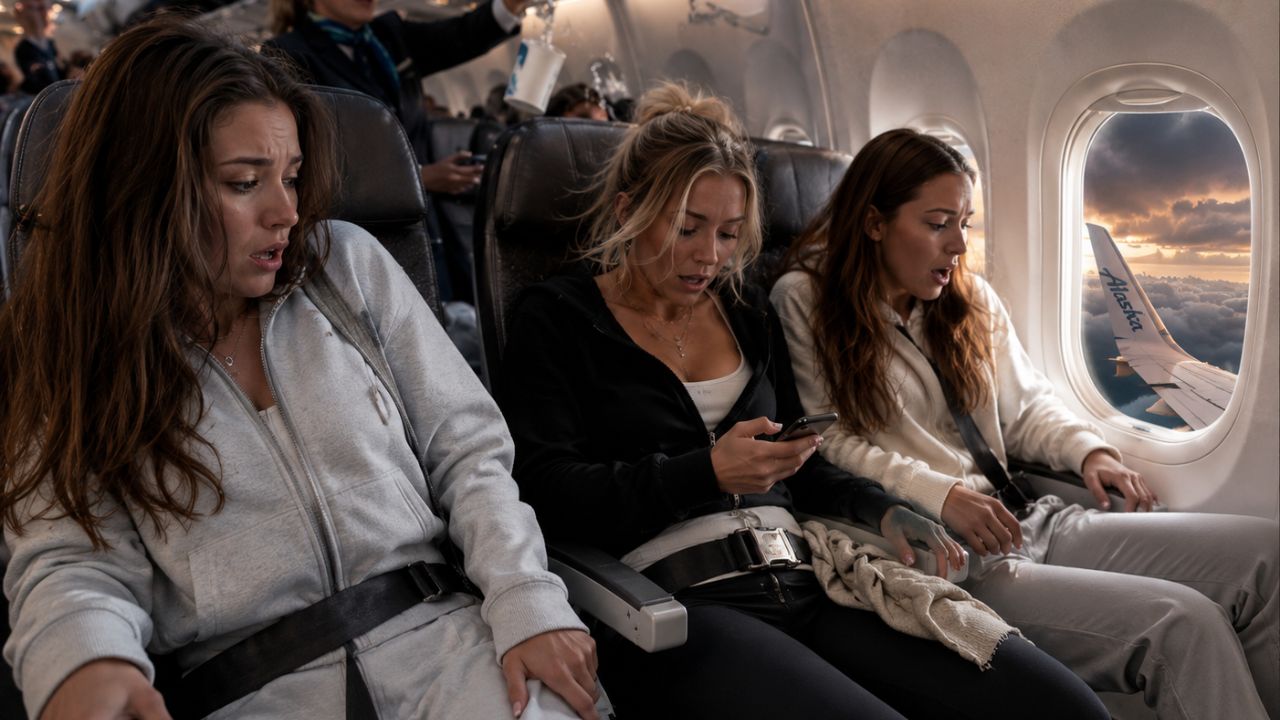
Image generated by AI
In a harrowing reminder that the sky remains a dynamic and often unpredictable frontier, Alaska Airlines is currently at the center of a high-stakes safety debate following a violent mid-air turbulence incident. This major airline news update, breaking this May 16, 2026, reveals that a passenger lawsuit has been filed after an ordinary domestic journey reportedly transformed into a "Cabin Nightmare" of violent movement and panic. The event has reignited industry-wide discussions regarding the "Invisible Threat" of Clear-Air Turbulence (CAT) and its potential to cause localized travel chaos and systemic airport disruptions when severe incidents force emergency diversions. As aviation authorities face growing pressure to enhance real-time weather intelligence, the incident serves as a definitive aviation update on the critical importance of seatbelt compliance in an era of climate-induced atmospheric instability.
Breaking: The 'Atmospheric Jolt' and the Alaska Airlines Crisis
The incident, which reportedly involved sudden and extreme vertical drops, left passengers and crew members reeling from what has been described as a "battle for control" within the cabin. Unlike storm-related turbulence, this event occurred in seemingly calm skies, highlighting the terrifying nature of Clear-Air Turbulence. The resulting injuries—ranging from head trauma to lasting psychological distress—have fueled a lawsuit that challenges the current standards of passenger preparedness and airline safety protocols.
Aviation analysts suggest that this event is a symptom of a larger trend. Severe turbulence forecasts are increasingly leading to preemptive flight cancellations to protect passengers, yet the unpredictable nature of jet stream shifts means that many incidents still occur without warning. For the traveler, this translates into an era of "Seatbelt Sovereignty," where the simple act of staying buckled is the primary defense against the localized airport disruptions that follow an emergency landing for medical evacuations.
Expanded Overview: The Science of 'Invisible' Turbulence
The scale of the "Alaska Shock" is forcing a re-evaluation of how pilots and passengers interact with the atmosphere.
- The Cause of Chaos: Turbulence is triggered by irregular air currents, ranging from jet stream friction to mountain wave activity. The most dangerous form, Clear-Air Turbulence (CAT), develops without visible clouds, making it nearly impossible for pilots to avoid through visual cues alone.
- The Flexible Fortress: While passengers feel the jolt, modern commercial jets like the Boeing 737 and Airbus A321 are engineered to flex their wings significantly. The airframe is a "Sanctuary of Engineering," built to withstand forces far greater than those experienced during even the most violent cabin movement.
- Climate Change Factor: A growing body of research suggests that shifting global temperatures are strengthening jet streams, potentially leading to more frequent and intense turbulence on long-haul international routes.
This strategic approach emphasizes that "Preparation is the Only Defense." By adhering to crew instructions and keeping seatbelts fastened even when the sign is off, passengers can effectively immunize themselves against the physical and emotional trauma of an atmospheric surge.
Section-Wise Breakdown: Evaluating the Turbulence Safety Fortress
Alaska Airlines: Under the Safety Microscope
As one of the most prominent carriers in the Pacific Northwest, Alaska Airlines operates through some of the most complex mountain wave corridors in North America. This recent lawsuit has placed immense scrutiny on the airline’s real-time weather intelligence and crew response protocols. The airline is currently investing in advanced AI-powered route planning to reduce the risk of short-notice flight cancellations and diversions caused by unexpected instability.
Clear-Air Turbulence: The Invisible Enemy
CAT is the primary driver of travel chaos for transcontinental flights. Because it occurs in "blue skies," it leaves no radar signature for pilots to follow. This means that a sudden drop of even a few feet can launch an unsecured passenger toward the overhead bins with tremendous force. Authorities are now pushing for "Universal Seatbelt Mandatory" policies during all phases of flight to minimize the risk of serious medical emergencies.
Flight Crews: The Most Vulnerable Segment
While passengers are seated, flight attendants are frequently walking through aisles, serving meals, and responding to needs. They are the "Front-Line Victims" of turbulence events, often having only seconds to secure themselves. When a crew member abruptly stops service, it is a definitive safety decision aimed at preventing the localized airport disruptions that occur when crew injuries force an aircraft to ground.
Psychological Impact: The 'Confidence Crisis'
Not all turbulence injuries are physical. Passengers who experience severe jolt events often develop a lasting "Fear of Flying" and anxiety during takeoff. Travel is built on confidence, and a single turbulence event can challenge that confidence for years. Airlines are now incorporating "Turbulence Awareness" into their passenger communication to normalize the experience and reduce cabin panic.
Safety Details: Alaska Airlines Turbulence Safety & Risk Exposure Matrix
The following table providing the operational specifics and the risk factors associated with modern turbulence events as of May 16, 2026.
Alaska Airlines: Turbulence Safety & Risk Exposure Matrix
| Risk Factor / Safety Tool | Status / Operational Impact | Traveler Benefit |
|---|---|---|
| Seatbelt Compliance | Primary Safety Sanctuary | Prevents sudden impact & head injuries |
| Clear-Air Turbulence (CAT) | Invisible Threat | High risk during blue-sky cruising |
| Mountain Route Exposure | High Frequency | Common for North American/Alpine routes |
| Jet Stream Volatility | Increasing (Climate Influence) | Potential for more long-haul Travel Chaos |
| AI Weather Intelligence | New Operational Focus | Reduces risk of Flight Cancellations |
| Crew Response Protocol | Immediate Lockdown | Prioritizes safety over service convenience |
| Psychological Impact | Long-Term Anxiety | Addressed through passenger education |
Passenger Impact: The Reliability Dividend for Travelers
For the 2026 traveler, the "Alaska Incident" offers a critical lesson in personal safety logistics.
- Antidote to Travel Chaos: Keeping your seatbelt fastened at all times is the only way to ensure that a sudden jolt doesn't turn into a medical diversion.
- Sanctuary from Airport Disruptions: By following crew instructions immediately, you help prevent the onboard injuries that force an aircraft to divert to a secondary hub, causing hours of delay for everyone.
- Secure the Cabin: Storing heavy bags properly and securing electronics minimizes the risk of flying debris during violent cabin movement.
- Trust the Professionals: Pilots and crews are trained to manage instability. When they announce turbulence, it is a proactive measure to ensure the flight reaches its destination without a short-notice flight cancellation.
Industry Analysis: Turbulence as a Strategic Safety Catalyst
Aviation specialists believe the current safety debate marks a "New Era" in atmospheric management.
- AI-Driven Avoidance: Airlines are transitioning from reactive weather monitoring to AI-driven predictive modeling to bypass high-risk turbulence corridors.
- Engineering Resilience: Commercial aircraft are more capable than ever of handling violent air, but cabin safety remains the "Last Mile" of aviation security.
- Climate Adaptation: As jet streams become more unstable, the industry must adapt through better forecasting and more aggressive passenger safety communication.
Conclusion: Preparation Over Fear
The current state of aviation updates for May 2026 confirms that while the "Alaska Turbulence Incident" is a harrowing reminder of nature’s power, it is also a catalyst for better safety. By prioritizing seatbelt compliance, AI intelligence, and passenger education, the industry is proving that the travel chaos of the modern era can be managed through strategic preparation. As millions of passengers take to the skies this month, the message from Alaska Airlines and the broader aviation community is clear: the sky may be unpredictable, but your safety doesn't have to be. For travelers, the ultimate protection isn't a forecast—it’s a fastened seatbelt.
Key Takeaways
- Incident: Severe mid-air turbulence on an Alaska Airlines flight leading to a lawsuit.
- Injuries: Reported head trauma and lasting psychological distress for passengers.
- Threat: Clear-Air Turbulence (CAT) is the most dangerous "Invisible" risk.
- Defense: Properly fastened seatbelts are the only effective protection against sudden drops.
- Factor: Climate change is strengthening jet streams, increasing the risk of CAT.
- Protocol: Pilots and crews prioritize safety lockdowns over service convenience during instability.
- Status: Confirmed as a primary safety focus for the 2026 North American travel season.
Related Travel Guides
Disclaimer
This article is for informational and educational purposes only. It does not constitute legal, financial, or professional advice. While we strive to provide accurate and up-to-date information, travel policies, regulations, and conditions change rapidly. Always verify information with official sources before making travel decisions. Nomad Lawyer makes no representations about the accuracy, reliability, completeness, or suitability of the information provided. Readers should consult qualified professionals for advice specific to their circumstances. The views expressed in this article are those of the author and do not necessarily reflect the views of Nomad Lawyer.
Kunal K Choudhary
Co-Founder & Contributor
A passionate traveller and tech enthusiast. Kunal contributes to the vision and growth of Nomad Lawyer, bringing fresh perspectives and driving the community forward.
Learn more about our team →