
US Department of State Issues Level 3 Reconsider Travel Warning for Jamaica Amid Rising Security Concerns in 2026
The US Department of State maintains a Level 3 travel advisory for Jamaica, citing severe security risks and infrastructure instability that may limit emergency federal assistance for visiting citizens.

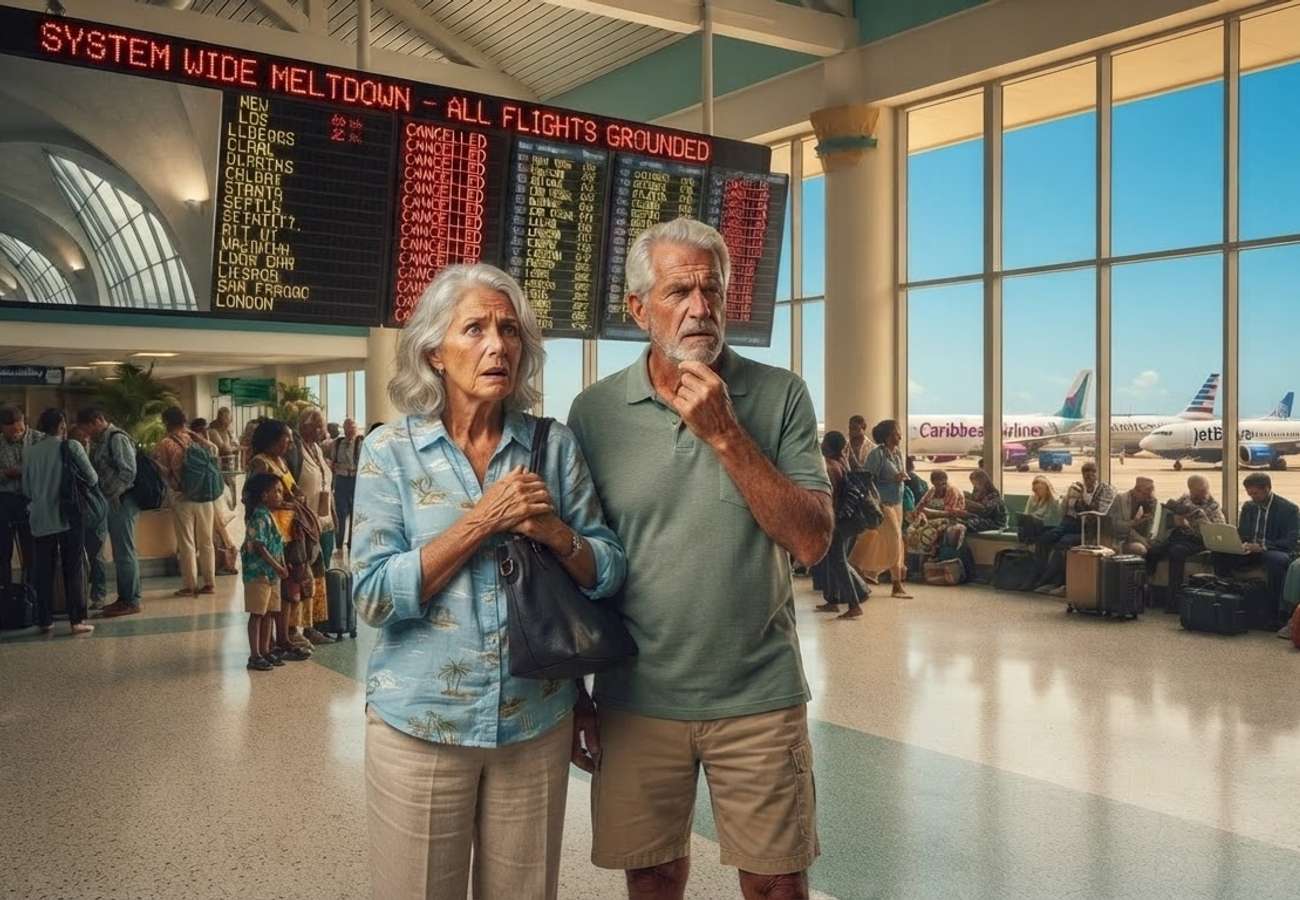
Image generated by AI
[Washington, D.C., July 6] — The United States Department of State has issued a critical update regarding travel to Jamaica, maintaining a Level 3 "Reconsider Travel" designation for the island nation. This high-level alert warns that significant threats to physical security and life persist, urging citizens to evaluate the risks of visiting the region.
The advisory, published via the official travel.state.gov portal, emphasizes that the current security environment is shaped by a combination of municipal law enforcement challenges and lingering environmental instability. Recent seismic activity has left critical infrastructure strained, increasing the risk of sudden resource shortages and complicating emergency responses to natural disasters.
Security Risks in Kingston and Montego Bay
Federal officials have identified major metropolitan hubs and primary transit corridors as high-risk areas. Reports indicate that violent crimes, including sexual assaults, homicides, and armed robberies, occur frequently within both commercial and residential districts.
A primary concern for visiting nationals is the capacity of local law enforcement. According to the advisory, municipal police responses are often delayed or lack the necessary resources to provide immediate assistance or conduct thorough investigations following a crime. This gap in security infrastructure means that travelers may find themselves without adequate protection in the event of an emergency.
Implications for US Citizens and Emergency Services
For those planning seasonal getaways or solo expeditions, the Level 3 status introduces severe logistical and safety constraints. The US government has explicitly stated that its operational ability to provide rescue services, medical evacuations, or direct intervention may be severely limited under these conditions.
This limitation means that if a traveler becomes embroiled in a localized crisis or a medical emergency, the federal government's capacity to assist may be insufficient. The lack of guaranteed emergency support underscores the necessity for travelers to have independent, robust safety nets in place.
Impact on Caribbean Hospitality and Aviation
The prolonged security designation is creating a bifurcated recovery in the Caribbean tourism sector. Large-scale, private resorts in fortified zones such as Negril and Montego Bay continue to operate by employing intensive private security details to insulate guests from the surrounding instability.
However, independent tourism operators and smaller boutique hotels are facing a significant downturn. Industry analysts observe that high-level federal warnings often prompt premium travel insurance providers to restructure their policies. This typically results in higher premiums or the introduction of strict exclusions for claims related to civil unrest or predictable natural disasters.
Regional administrators claim they are attempting to mitigate these economic losses by deploying specialized security units to high-traffic pedestrian areas. These efforts aim to stabilize the economic ecosystem and reassure international visitors, though the federal advisory remains in place.
Critical Safety Protocols for Essential Travel
For individuals with non-refundable bookings or urgent personal commitments that necessitate travel to Jamaica, security experts recommend a strict defensive logistical strategy.
| Protocol | Action Required | Purpose |
|---|---|---|
| Zonal Avoidance | Steer clear of high-intensity neighborhoods in Kingston and Montego Bay | Minimize exposure to violent crime hotspots |
| STEP Enrollment | Register itinerary via the Smart Traveler Enrollment Program | Facilitate embassy communication and security alerts |
| Medical Coverage | Secure multi-tiered insurance with independent medevac | Bypass unpredictable public ambulance response times |
| Digital Discretion | Avoid luxury items and real-time social media location tags | Reduce visibility as a high-value target for theft |
Experts specifically point to the Overseas Security Advisory Council (OSAC) regional heat maps as the primary tool for identifying dangerous municipal zones that should be avoided entirely.
Why This Matters: The Shift in Caribbean Tourism Safety
The persistence of a Level 3 advisory for a major tourism hub like Jamaica signals a shift in how international travelers must perceive "paradise" destinations. The gap between the curated experience of an all-inclusive resort and the reality of the surrounding municipal environment has widened.
From an industry perspective, this creates a "security bubble" economy. When federal governments warn that they cannot guarantee the safety or evacuation of their citizens, the responsibility shifts entirely to the private sector. This increases the cost of travel, as guests must pay for fortified resorts and specialized insurance, effectively pricing out the independent traveler and favoring corporate-managed tourism.
Furthermore, the mention of infrastructure strain following seismic events highlights a growing trend where climate and geological instability intersect with civil insecurity. For the aviation and travel industry, this means that "seasonal" risks are no longer just about weather, but about the systemic collapse of local support services during a crisis.
Travelers are encouraged to monitor official government channels for real-time updates before finalizing any Caribbean itineraries.
Related Travel Guides
Disclaimer
This article is for informational and educational purposes only. It does not constitute legal, financial, or professional advice. While we strive to provide accurate and up-to-date information, travel policies, regulations, and conditions change rapidly. Always verify information with official sources before making travel decisions. Nomad Lawyer makes no representations about the accuracy, reliability, completeness, or suitability of the information provided. Readers should consult qualified professionals for advice specific to their circumstances. The views expressed in this article are those of the author and do not necessarily reflect the views of Nomad Lawyer.
Kunal K Choudhary
Co-Founder & Contributor
A passionate traveller and tech enthusiast. Kunal contributes to the vision and growth of Nomad Lawyer, bringing fresh perspectives and driving the community forward.
Learn more about our team →