
Travel Safety Alert 2026: How Carbon Monoxide Detection is Transforming Hotel and Rental Stays
A global shift in travel safety is underway as new carbon monoxide detection standards and portable sensor technology transform hotel and rental stays across North America, Europe, and Asia.

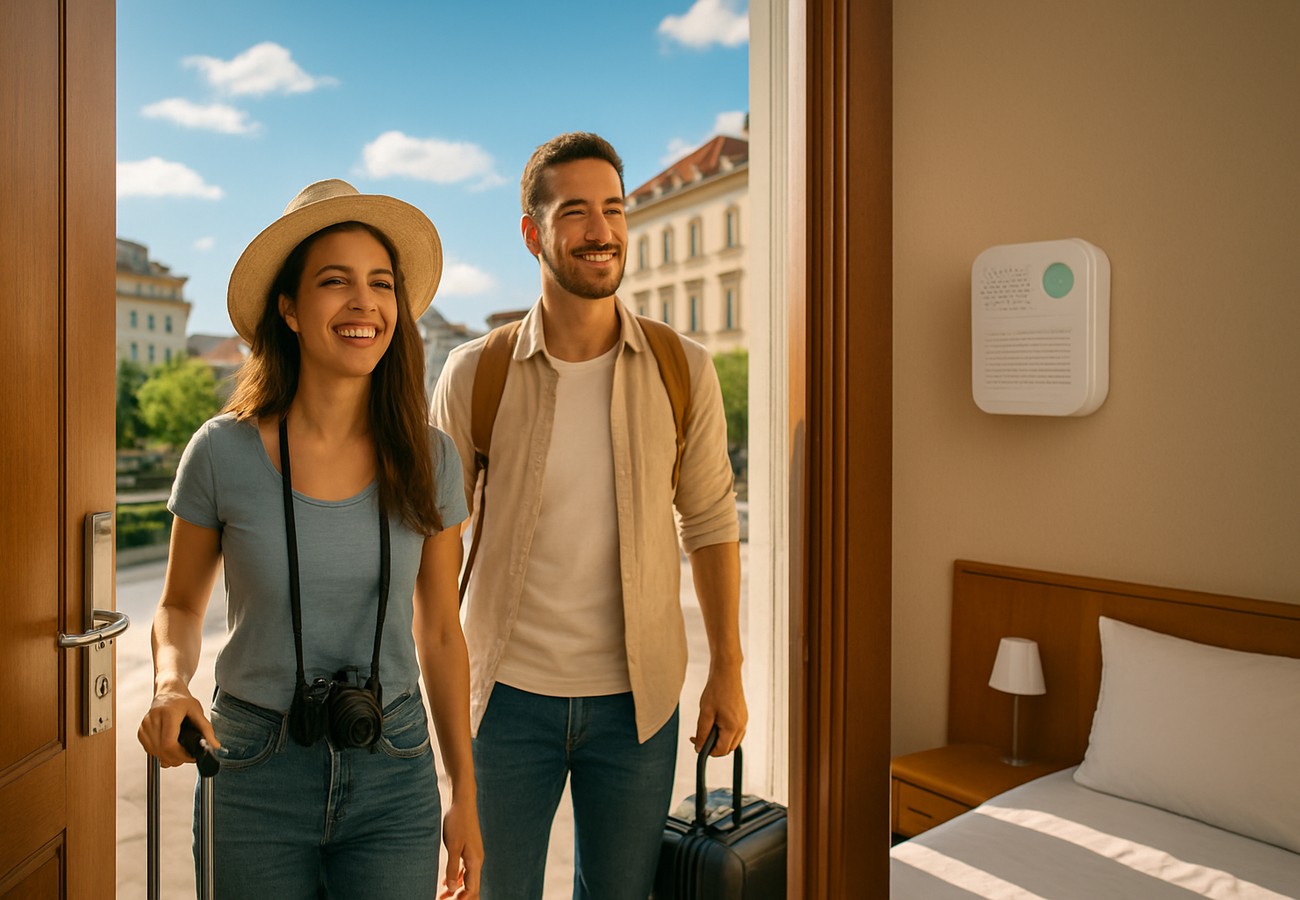
Image generated by AI
Quick Summary
- Systemic Shift: May 7, 2026, marks a pivotal transition in global travel safety as carbon monoxide (CO) detection moves from a residential standard to a critical travel accommodation requirement.
- Invisible Risk: CO is an odorless, colorless, and tasteless gas, making it undetectable without specialized equipment—a major risk in unfamiliar hotel and rental environments.
- Global Implementation: Major tourism hubs including New York, London, Paris, Toronto, and Sydney are leading the adoption of advanced detection frameworks.
- Infrastructure Gap: Public health agencies have identified a significant "safety infrastructure gap" in short-term rentals and vacation homes compared to regulated hotels.
- Technological Innovation: The emergence of portable, battery-operated, low-level sensitivity sensors is enabling travelers to monitor their own environmental safety.
- Government Pressure: International consumer safety agencies are shifting their focus from "incident response" to "preventative prevention" across the hospitality sector.
- Occupant Health: New standards emphasize the holistic safety of the occupant, bridging the gap between transport safety and stationary accommodation safety.
- Source: Government public health frameworks and international travel safety campaigns as of May 2026.
The global travel industry is undergoing a fundamental re-evaluation of environmental health standards in 2026. For decades, the primary focus of "travel safety" remained centered on transport security and crime prevention; however, a series of recent advancements in carbon monoxide (CO) detection technology has brought the invisible threat of environmental hazards to the forefront. In major gateways from Los Angeles to Amsterdam, the hospitality sector is facing mounting pressure to provide guests with a "safety-certified" air quality environment. This is particularly relevant in the booming short-term rental market, where regulatory oversight has historically lagged behind that of major hotel chains. As governments across North America, Europe, and Asia implement stricter safety deterrent systems, the "travel smart" traveler is increasingly expected to integrate portable detection technology into their standard itinerary, transforming the way we view the safety of the spaces in which we rest.
Carbon Monoxide (CO) Travel Safety 2026: Risks, Tech, and Regulation
The following table summarizes the key components of the current shift in global travel environmental safety.
| Feature | Description | Strategic Impact |
|---|---|---|
| Primary Risk | Invisible, Odorless, Colorless Gas | High Vulnerability in Stays |
| Common Causes | Malfunctioning heaters, poor ventilation | Equipment Failure Risk |
| Key Regions | US, Canada, Europe, Asia | Global Standard Shift |
| New Technology | Low-level sensitivity portable sensors | Traveler Empowerment |
| Regulatory Focus | Prevention over Incident Response | Lower Casualty Rates |
| Affected Cities | NY, LA, London, Paris, Sydney | Primary Tourism Corridors |
| Consumer Advice | Use portable CO/Smoke alarms | Safety Infrastructure Gap |
The Invisible Threat: Why CO Detection is Critical for Modern Travelers
The nature of carbon monoxide makes it one of the most dangerous travel hazards:
- Environmental Control: Unlike their primary residence, travelers have almost zero control over the maintenance of heating, ventilation, and air conditioning (HVAC) systems in their temporary lodgings.
- Detection Barrier: Without a dedicated sensor, it is impossible for a guest to know if dangerous CO levels are accumulating due to a malfunctioning combustion appliance or poor room sealing.
- Symptoms Awareness: Early signs of exposure—dizziness, headaches, and nausea—are often mistaken by travelers for jet lag, fatigue, or food poisoning, leading to delayed responses.
Global Adoption: New Standards in New York, London, Paris, and Beyond
Major urban centers are rapidly incorporating CO safety into their tourism frameworks:
- Metropolitan Pressure: Cities like New York, London, and Paris, which feature high volumes of both luxury hotels and historic vacation rentals, are seeing a surge in "safe-stay" certifications.
- Tourism Corridors: Travelers moving between Europe, North America, and Asia are increasingly encountering international travel safety restrictions that mandate CO alarms in commercial lodgings.
- Accommodation Variety: The standard applies across the spectrum of travel—from high-density urban hotels to remote vacation homes in cold-weather regions.
Portable Innovation: The Rise of Low-Level Sensitivity CO Sensors
The most significant technological breakthrough for travelers is the miniaturization of sensors:
- Dual-Purpose Tech: New battery-operated systems combine CO and smoke detection into a single, compact device designed for a traveler's luggage.
- Real-Time Monitoring: These devices offer low-level sensitivity, providing early warning alerts long before CO reaches lethal concentrations, allowing for safe evacuation.
- Holistic Safety: This tech bridges the gap for children, elderly travelers, and those with existing health conditions who may be more sensitive to air quality issues.
Government Intervention: Shifting from Incident Response to Prevention
A shift in the regulatory mindset is driving the current safety transformation:
- Public Health Frameworks: International agencies are moving away from investigating incidents after they occur toward mandating the infrastructure needed to prevent them entirely.
- Regulatory Pressure: Governments are pressuring the travel and hospitality industry to adopt preventative monitoring systems as a standard part of their operational engineering.
- Safety Campaigns: "Travel Smart" initiatives are now actively educating the public on the "safety infrastructure gap" that often exists in non-traditional accommodations.
Accommodation Risks: Malfunctioning Appliances and Ventilation Gaps
The primary sources of CO in travel settings remain consistent:
- Combustion Appliances: Poorly maintained boilers, water heaters, and stoves in vacation rentals are high-risk points for gas leakage.
- Ventilation Failure: In densely populated urban areas or cold-weather destinations, travelers often keep windows sealed, which can trap toxic gases if a system is malfunctioning.
- Temporary Stays: The short-term nature of many stays means that guests may not be present long enough to notice the gradual buildup of environmental hazards without active detection.
Essential Advice: How to Maintain Environmental Safety While Traveling
To ensure your environmental health during domestic or international stays, public safety agencies recommend:
- Carry a Portable Alarm: Purchase a battery-operated CO detector designed for travel—it is the most effective way to independently monitor your room.
- Verify Hotel Equipment: Upon check-in, ask the front desk if the room is equipped with a functional carbon monoxide alarm, especially if the hotel uses gas heating.
- Ensure Ventilation: Even in cold weather, try to ensure your room has adequate airflow and be wary of sleeping in spaces with unvented fuel-burning heaters.
- Recognize the Signs: If you experience unexplained headaches or dizziness that improve when you leave the building, evacuate immediately and notify the authorities.
- Audit Rentals: When booking through short-term rental platforms, look for properties that explicitly list "Carbon Monoxide Alarm" as an amenity.
Conclusion: A Holistic Approach to the Occupant's Health and Safety
The transformation of carbon monoxide detection in the 2026 travel landscape represents a maturing of the global public health and safety system. By breaking down the traditional barriers between residential safety and travel space safety, these innovations are providing tourists with unprecedented control over their own environmental well-being. As government standards continue to prioritize early detection and preventative measures, the focus of the travel industry is shifting toward a holistic approach that ensures every journey is as safe as possible. For the modern traveler, "traveling smart" now means being as aware of the air they breathe as they are of the destination they are visiting.
FAQ: Carbon Monoxide (CO) & Travel Safety 2026
Is it mandatory for hotels to have CO detectors in 2026? Regulations vary by city and country, but major hubs like New York, London, and Paris have implemented strict safety frameworks that pressure hotels to adopt these standards.
Why should I carry a portable CO alarm in a vacation rental? Vacation rentals and short-term stays often have a "safety infrastructure gap" compared to hotels, and regulatory oversight of their heating systems may be less frequent.
What are the early symptoms of CO exposure? Travelers should watch for dizziness, headaches, and nausea. These are often mistaken for travel fatigue but should be treated as potential environmental hazards.
Related Travel Safety Reports
Disclaimer
This article is for informational and educational purposes only. It does not constitute legal, financial, or professional advice. While we strive to provide accurate and up-to-date information, travel policies, regulations, and conditions change rapidly. Always verify information with official sources before making travel decisions. Nomad Lawyer makes no representations about the accuracy, reliability, completeness, or suitability of the information provided. Readers should consult qualified professionals for advice specific to their circumstances. The views expressed in this article are those of the author and do not necessarily reflect the views of Nomad Lawyer.
Kunal K Choudhary
Co-Founder & Contributor
A passionate traveller and tech enthusiast. Kunal contributes to the vision and growth of Nomad Lawyer, bringing fresh perspectives and driving the community forward.
Learn more about our team →