
US Cities Leverage Hotel Tax Grants to Fuel Tourism Growth: Roseburg and Washington Municipalities Lead 2026 Strategy
Municipalities across the US, including Roseburg and several Washington cities, are reinvesting lodging tax revenue into tourism grants to attract overnight visitors and stimulate local economic spending.
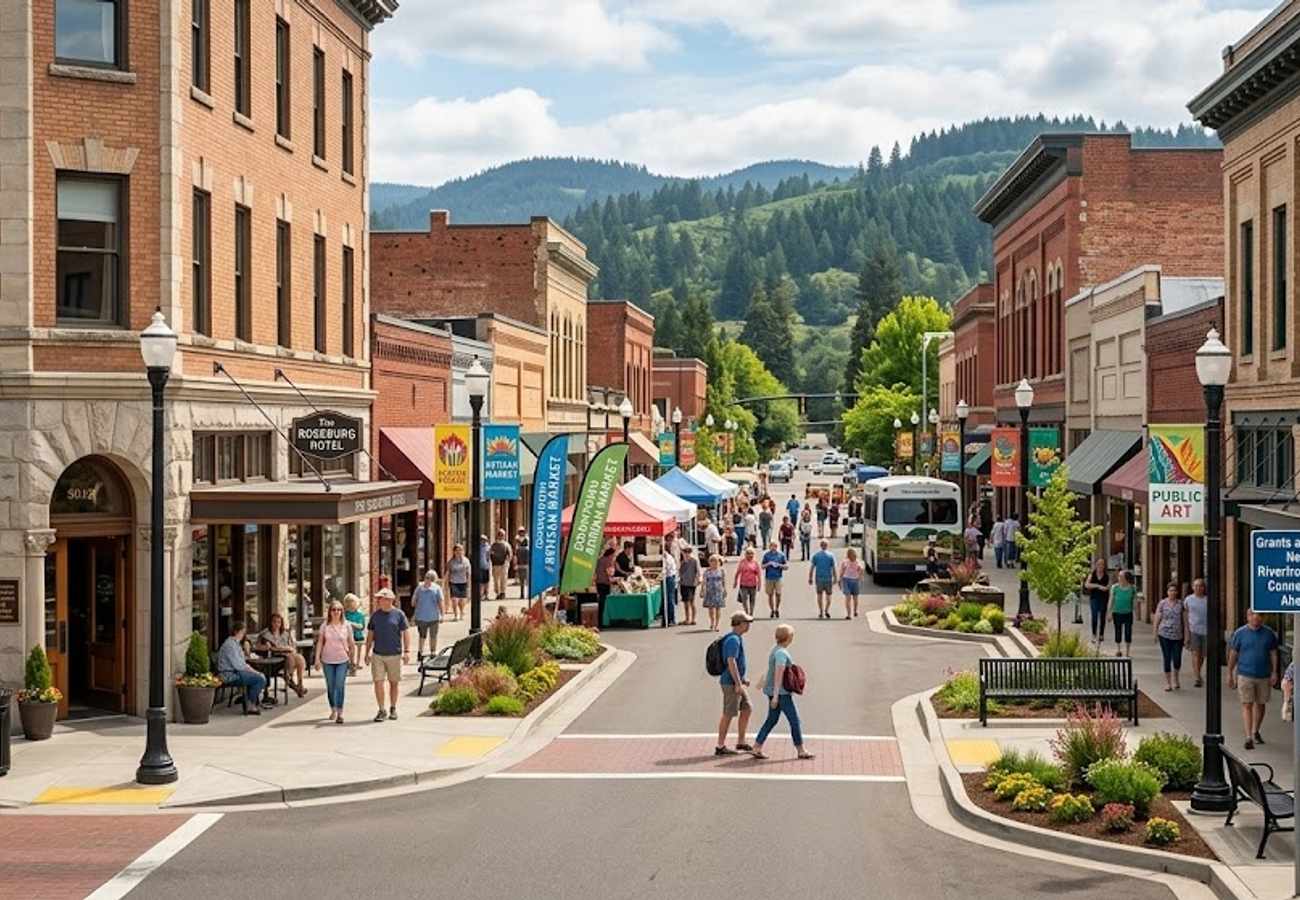
Image generated by AI
Local governments are increasingly adopting a circular funding model where revenue from hotel and motel taxes is directly reinvested into grants for events and visitor infrastructure to drive future travel demand.
Across the United States, a growing trend of "lodging-tax-backed" development is taking hold. By capturing a percentage of spending from current travelers, cities are creating dedicated funds to attract the next wave of tourists. This strategy shifts the burden of tourism promotion from general taxpayers to the visitors themselves.
The Roseburg Model: Targeted Off-Season Growth
Roseburg, Oregon, is currently implementing this strategy through its fall Tourism Grant Program. The city offers awards of up to $7,500 to registered businesses, eligible nonprofit organizations, and governmental entities.
Our analysis of the program's framework reveals a specific focus on "shoulder season" stability. Roseburg provides extra consideration to projects that increase tourism between Labor Day and Memorial Day. Furthermore, the city prioritizes long-term capital projects with an expected lifespan of at least ten years, ensuring that short-term tax revenue creates permanent destination assets.
The Economic Development Commission recently saw its granting authority increased from $5,000 to $7,500, signaling a municipal commitment to scaling these investments.
Regional Expansion Across Washington and Beyond
While Roseburg focuses on targeted smaller grants, other cities are operating at a much larger financial scale. In Washington state, several municipalities have integrated lodging taxes into their 2026 and 2027 budgets to aggressively target overnight guests.
- Oak Harbor: This city represents one of the largest allocations in the region. The City Council approved $475,000 for the 2027 cycle, with $375,000 available for eligible grants.
- Redmond: This program specifically targets visitors traveling from more than 50 miles away. To ensure project sustainability, grants are capped at 50% of the total project cost, forcing applicants to secure matching funds.
- Yakima: The city utilizes a broad tax base including RV parks, bed and breakfasts, and short-term rentals for stays under 30 days to fund its promotion grants.
Municipal Lodging Tax Grant Comparison
| City | State | Current/Latest Programme | Funding Source | Key Funding Details | Application Timing/Status |
|---|---|---|---|---|---|
| Roseburg | Oregon | Fall Tourism Grant Program | City transient lodging tax | Up to $7,500 per award | 1 Sept–30 Oct 2026 |
| Oak Harbor | Washington | 2027 Lodging Tax / Tourism Promotion | Lodging tax | $375,000 available ($475k total) | 22 Jul–14 Aug 2026 |
| Redmond | Washington | 2027 Tourism Grants | 1% lodging tax | Covers up to 50% of project cost | Closed 10 Aug 2026 |
| Woodinville | Washington | 2027 Tourism Promotion Grant | Lodging taxes | Estimated $217,000 available | Deadline 10 Aug 2026 |
| Yakima | Washington | 2027 Tourism Promotion Grant | Hotel/motel lodging tax | Supports qualified promotion/dev | 1 Jun–1 Jul 2026 |
| Snohomish | Washington | Lodging Tax Grant Program | Transient rental income tax | Up to $10,000 per project | 16 Feb–15 Mar 2026 |
| Marysville | Washington | Tourism Grant Program | Hotel/motel tax | Committee recommended to Council | Closed 20 Oct 2025 |
| Monroe | Washington | Lodging Tax Grant Program | Lodging-tax revenue | Marketing, events, facilities | 2027 opens Fall 2026 |
| Grinnell | Iowa | Tourism Grant Program | Hotel-motel tax | Community events/initiatives | Quarterly (Jan, Apr, Jul, Oct) |
| Mattoon | Illinois | Tourism Grants | Hotel-Motel Tax | Overnight non-resident attraction | Ongoing |
Why This Matters: The Economic Multiplier Effect
From a logistical perspective, these grants are not merely subsidies; they are catalysts for a broader economic multiplier. When a city funds a festival or a new visitor center, the primary financial gain is not the event itself, but the secondary spending that occurs.
For travelers on these routes, this means an increase in high-quality, curated experiences and improved infrastructure. For the local economy, the impact is distributed across:
- Hospitality: Increased occupancy rates for hotels and short-term rentals.
- Retail & Dining: Higher foot traffic for cafés, restaurants, and boutiques.
- Transport: Increased demand for local transit and ride-sharing services.
By limiting grants to projects that specifically attract overnight guests (as seen in Redmond), cities maximize the "spend-per-visitor" ratio, ensuring that the lodging tax generates a high return on investment.
Industry Outlook
The shift toward lodging-tax-funded tourism suggests a move away from general municipal funding toward "user-pays" destination marketing. We expect more mid-sized US cities to adopt the Redmond model of "matching funds" (capping grants at 50%) to ensure that only the most viable, professionally managed tourism projects receive public money.
As the 2026-2027 cycle progresses, the focus will likely shift from simple event marketing to the development of permanent "anchor attractions" that can sustain tourism during off-peak months.
The circular economy of tourism is turning guest stays into city assets.
Related Travel Guides
Disclaimer
This article is for informational and educational purposes only. It does not constitute legal, financial, or professional advice. While we strive to provide accurate and up-to-date information, travel policies, regulations, and conditions change rapidly. Always verify information with official sources before making travel decisions. Nomad Lawyer makes no representations about the accuracy, reliability, completeness, or suitability of the information provided. Readers should consult qualified professionals for advice specific to their circumstances. The views expressed in this article are those of the author and do not necessarily reflect the views of Nomad Lawyer.