
US and Canadian Travelers Shift Toward Safety, Value, and Curated Luxury Experiences in 2026

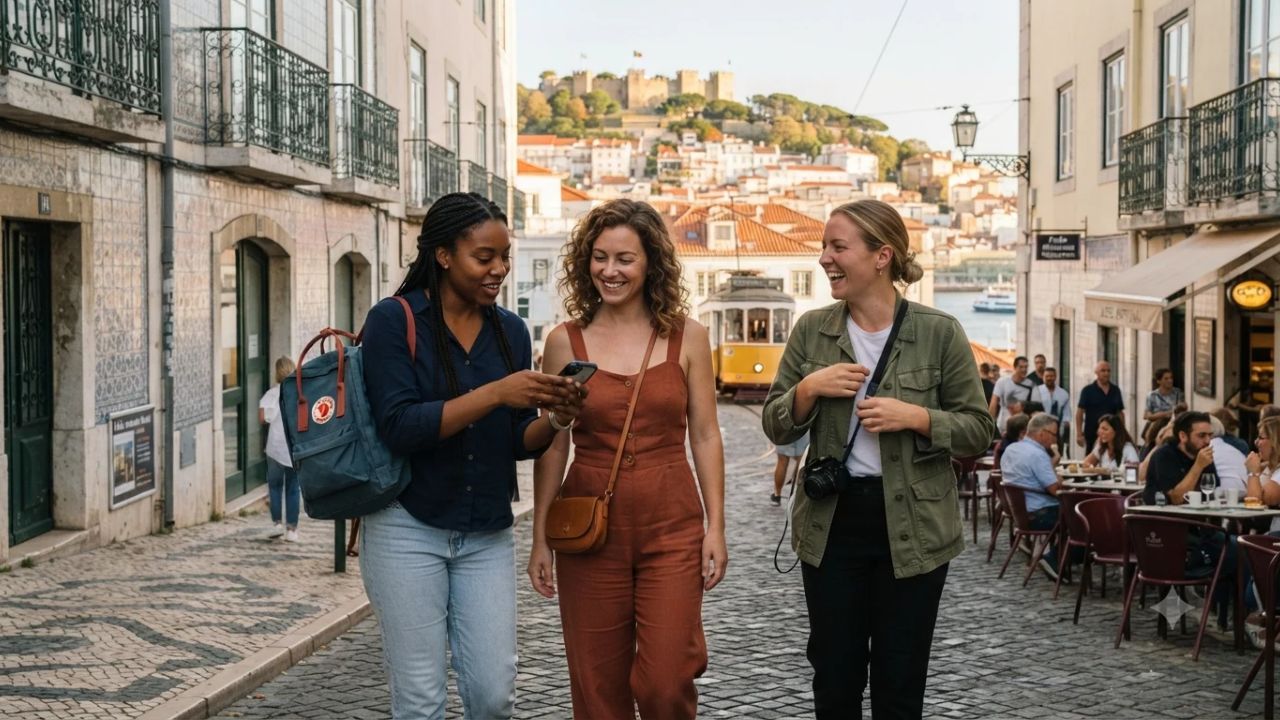
While macroeconomic pressures have trimmed average annual overseas vacation budgets for American households from $13,130 down to $11,808, international travel demand across North America has not slowed—it has become sharply discerning. Across both the United States and Canada, holidaymakers are planning multiple overseas journeys over the next 24 months with a rigorous focus on political stability, proven personal safety, and high-impact cultural experiences.
Official tourism industry data reveals contrasting spending dynamics between the two neighboring nations. While US travelers anticipate spending $11,808 across an average of 2.7 international trips over the next two years, Canadian overseas vacation budgets have actually risen from $8,179 up to $8,800, with Canadians mapping out approximately 2.3 international journeys. Rather than canceling global vacations, North Americans are selectively investing in destinations that guarantee authentic local culture, reliable transport infrastructure, and memorable returns on their travel investments.
The Metrics Reshaping North American Outbound Travel
Affordability and stability have emerged as decisive filters in the holiday selection process. Recent industry surveys show that 84% of American travelers and 86% of Canadian travelers consider affordability important when selecting international destinations. More than three-quarters of respondents in both countries report heightened sensitivity to political conditions and safety compared to two years ago.
Financial adjustments vary across household income brackets. In the United States, households earning between $50,000 and $99,000 project a 14.7% reduction in overseas travel expenditure. In Canada, households earning below $50,000 anticipate a steeper 21.1% spending cut.
Yet, this cost consciousness does not translate into bottom-tier budget tourism. Instead, travelers are adopting a value-driven mindset, prioritizing high-quality boutique accommodations, immersive neighborhood food tours, and flexible cancellation policies over generic mass-market tour packages.
Generational Divergence and the Enduring Pull of Luxury
A distinct divide has opened between how different age groups conceive and execute international journeys.
Luxury travel continues to show exceptional resilience across demographic tiers. Approximately 73% of American travelers and 55% of Canadian travelers express a willingness to pay extra for premium, highly personalized experiences. This willingness peaks among younger generations: 85% of American Millennials and 80% of Gen Z travelers are eager to invest in exclusive wellness retreats, boutique eco-resorts, and private culinary workshops.
Motivations also diverge sharply. For Gen Z travelers, 45% in the US and 46% in Canada state that emotional wonder, self-transformation, and visually captivating experiences represent their primary travel goals. Younger travelers rely heavily on social video platforms and artificial intelligence itinerary builders to uncover off-beat neighborhood cafes and wilderness trails.
Conversely, Gen X and Baby Boomer travelers gravitate toward structured cultural discovery, prioritizing guided historical tours, architectural landmarks, and organized culinary tastings supported by organizations like Destination Canada and Brand USA.
What Makes Experience-Driven Travel Distinct
The modern North American traveler is increasingly moving away from passive sightseeing toward participatory tourism.
Instead of checking off monument selfies, travelers are seeking out hands-on crafts, ancestral culinary methods, and direct community interactions. Whether it is learning traditional pasta making in Tuscan farmhouses, participating in tea ceremonies in Kyoto, or trekking with indigenous guides across UNESCO World Heritage sites, cultural immersion has replaced standard resort seclusion.
This behavioral evolution rewards destinations that communicate transparent safety protocols, showcase local artisan ecosystems, and provide seamless digital booking tools for independent travelers.
Visitor Insider Tips: Smart International Trip Planning
- Leverage Mid-Tier Currency Advantages: Maximize your vacation budget by targeting destinations where the US or Canadian dollar holds strong purchasing power, such as Central America, Southeast Asia, or Southern Europe, allowing luxury dining and boutique stays at moderate prices.
- Build Custom Itineraries with AI and Cross-Reference with Local Guides: Use modern AI tools to sketch preliminary travel routes and flight comparisons, but validate specific transport timings, restaurant reservations, and neighborhood safety with verified local walking tour guides or boutique hotel concierges.
- Invest in Comprehensive "Cancel For Any Reason" (CFAR) Insurance: With heightened focus on travel flexibility and shifting regional stability, purchase independent travel insurance policies featuring CFAR riders within 14 days of your initial trip deposit to secure complete financial reimbursement.
- Book Shoulder Season Windows for Better Value: Travel during late spring (April–May) or early autumn (September–October) to access premium luxury hotels at 30% to 50% below peak summer rates while enjoying uncrowded historic sites and comfortable weather.
- Base in Walkable, Locally Owned Neighborhoods: Skip generic airport hotels and isolated beach resorts. Rent historic townhouses or book family-run boutique properties in residential quarters to patronize neighborhood bakeries, produce markets, and independent craft shops.
Cultural and Environmental Context
The transition toward conscientious, experience-led travel carries significant benefits for local destination sustainability. Traditional mass tourism often led to economic leakage, where multinational hotel chains captured the vast majority of visitor spending while placing severe burdens on municipal infrastructure.
By prioritizing authentic local encounters, modern North American travelers directly fund family-run trattorias, community conservation rangers, and indigenous artisan cooperatives. Furthermore, travelers are increasingly mindful of environmental impacts, seeking out eco-certified accommodations that minimize plastic waste, support marine sanctuaries, and utilize renewable solar energy.
FAQ: North American Travel Trends in 2026
What is the average international travel budget for US travelers?
American travelers plan to spend approximately $11,808 on overseas vacations over the next 12 months, taking an average of 2.7 international trips over two years.
How much do Canadian travelers expect to spend on overseas holidays?
Canadian travelers anticipate spending an average of $8,800 on international vacations, planning approximately 2.3 overseas journeys over two years.
Are younger travelers still spending on luxury travel?
Yes. 85% of American Millennials and 80% of Gen Z travelers remain willing to spend extra on luxury and wellness experiences.
What are the main factors influencing destination choice?
Personal safety, transparent travel guidelines, political stability, and overall affordability are the leading factors shaping international destination choices.
As travel expectations evolve, the modern holiday has transformed from a simple escape into a meaningful pursuit of authentic discovery.
Related Travel Guides
Disclaimer
This article is for informational and educational purposes only. It does not constitute legal, financial, or professional advice. While we strive to provide accurate and up-to-date information, travel policies, regulations, and conditions change rapidly. Always verify information with official sources before making travel decisions. Nomad Lawyer makes no representations about the accuracy, reliability, completeness, or suitability of the information provided. Readers should consult qualified professionals for advice specific to their circumstances. The views expressed in this article are those of the author and do not necessarily reflect the views of Nomad Lawyer.
Raushan Kumar
Founder & Lead Developer
Full-stack developer with 11+ years of experience and a passionate traveller. Raushan built Nomad Lawyer from the ground up with a vision to create the best travel and law experience on the web.
Learn more about our team →