
The Transatlantic Tourism Race: US Dominates French Visitor Volume while Brazil Captures Rapid Growth Momentum
Official figures show the US welcomed around 1.5 million French tourists in 2025, but Brazil's arrivals surged 24.6%, signaling a shift toward experiential travel.

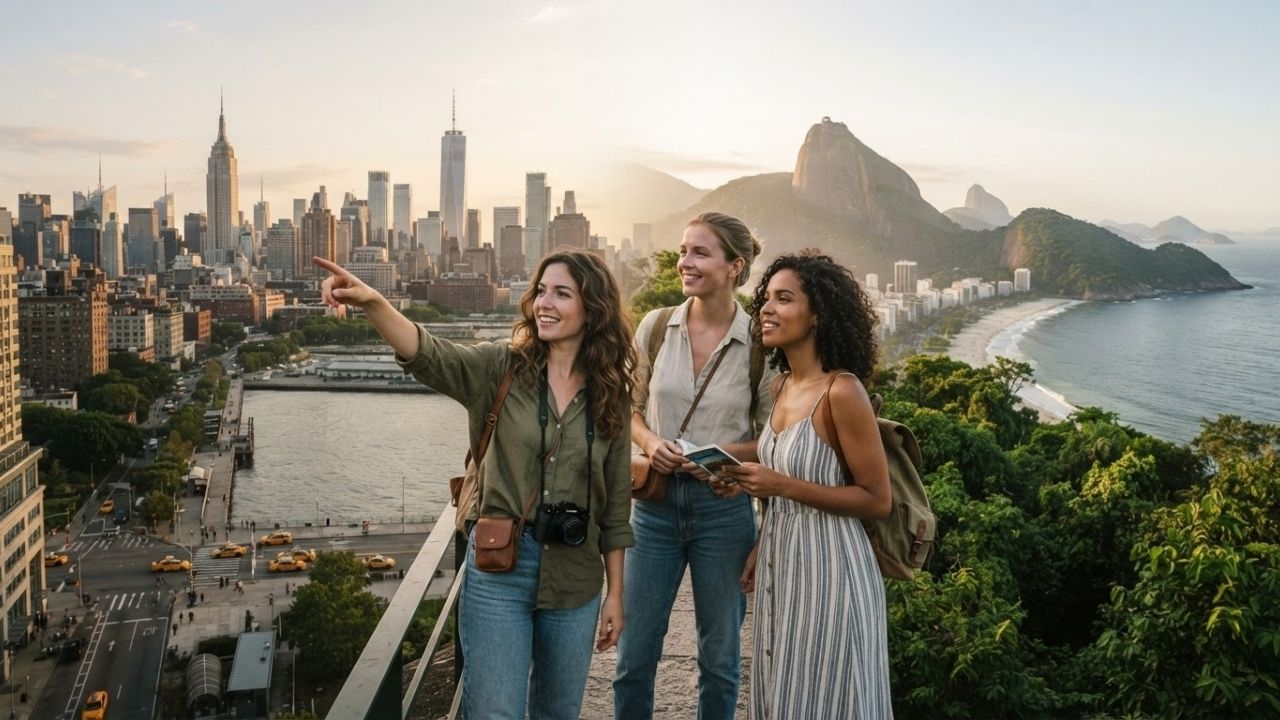
Image generated by AI
While the United States remains the dominant destination for French travelers in terms of sheer numbers, Brazil is winning the growth battle with a rapid rise in arrivals.
Long-haul travel preferences in Europe are shifting as travelers compare established metropolitan destinations with emerging cultural hotspots. Official tourism records from the National Travel and Tourism Office confirm that the United States welcomed around 1.5 million French visitors in 2025. During the same period, Brazil's tourism authorities recorded 293,008 French arrivals. While the American market is five times larger, it faced a decline of approximately 7% in 2025, whereas Brazil's French visitor arrivals surged by approximately 24.6%. This contrast shows a growing interest in South American nature and cultural tourism.
Market Share Dynamics: The 2025 French Visitor Statistics
The performance data from 2025 highlights a changing competitive environment for long-haul travel. The United States continues to lead in overall volume, leveraging direct flight networks and famous cities. However, the decline in French arrivals shows that price sensitivity and currency fluctuations are impacting travel decisions.
In contrast, Brazil is establishing itself as a strong competitor for European travelers. The country is benefiting from a post-pandemic interest in non-traditional destinations and outdoor adventure. While total arrivals in Brazil remain lower than in the US, the double-digit growth shows that the country is successfully expanding its share of the European long-haul market.
The US Appeal: Established Brand Value and Direct Connectivity
The United States remains a popular destination for French travelers due to its strong brand recognition and flight availability. Transatlantic routes connect major French cities directly to hubs like New York, Los Angeles, and Miami. These cities offer diverse shopping, entertainment, and cultural landmarks that appeal to first-time and returning visitors.
New York remains the primary entry point for French tourists seeking city breaks and shopping. California attracts travelers interested in coastal routes and national parks, while Florida is popular for family theme parks and beaches. Despite these strengths, high lodging costs, dining expenses, and a strong US dollar have made American holidays less affordable for some European travelers, contributing to the 7% decline in 2025.
Brazil's Momentum: Experiential Travel, Eco-Tourism, and Cultural Immersion
Brazil’s tourism growth is driven by rising demand for nature-based and experiential travel. The country's primary appeal lies in its diverse natural environments, which are difficult to replicate. French travelers are increasingly booking trips to the Amazon rainforest, the Pantanal wetlands, and the beaches of Rio de Janeiro.
Cultural heritage is also a major draw, particularly in the state of Bahia, which offers a rich showcase of Afro-Brazilian history, music, and food. Brazil's tourism board, Embratur, has supported this growth by expanding international flight connections and promoting sustainable travel. This strategy aligns with the preferences of modern travelers who prioritize environmental conservation and local community interaction over traditional sightseeing.
Regional Cities and Attractions Competing for European Travelers
At the city level, destinations in both countries offer distinct experiences to attract French visitors:
- New York City: Remains a cultural hub, drawing visitors with Broadway shows, museums, and historical landmarks.
- Rio de Janeiro: Attracts travelers with its famous beaches, Carnival, and dramatic coastal mountains.
- Miami: Offers warm weather, beaches, and luxury shopping, serving as a gateway to the Caribbean.
- Salvador (Bahia): Appeals to history and music enthusiasts with its preserved colonial architecture and Afro-Brazilian culture.
- São Paulo: Attracts business travelers and food enthusiasts with its diverse culinary scene.
- Los Angeles: Draws film fans, surfers, and families seeking West Coast outdoor recreation.
Sustainable Travel and Community-Led Tourism Initiatives
As eco-tourism grows, travelers are looking for ways to support local economies and minimize their environmental impact. In Brazil's Amazon and Pantanal regions, booking with community-owned eco-lodges ensures that travel spending directly funds local conservation and employs Indigenous guides. This model helps protect delicate ecosystems while providing sustainable income for rural communities.
In the United States, visitors can practice sustainable travel by using municipal rail and bus systems in major transit cities like New York and San Francisco. Travelers can also support local economies by staying in independent guesthouses and purchasing passes that fund national park maintenance. These choices help preserve natural areas and historical sites in both countries.
Practical Travel Advice and Cultural Guidelines for Both Destinations
Planning a long-haul journey to either country requires attention to local customs and travel conditions. Tourism offices recommend keeping these tips in mind:
- Identify Optimal Travel Windows: For the United States, travel during the shoulder seasons of spring (April to May) and autumn (September to October) for pleasant weather and lower lodging rates. For Brazil, visit in May or September when weather in the Amazon and Rio is dry and crowds are thin.
- Understand local Dining and Tipping Customs: In the United States, tipping 15% to 20% at restaurants is standard and expected for table service. In Brazil, a 10% service charge is typically included in the bill, and additional tipping is optional.
- Try the Regional Specialties: In Brazil, sample feijoada—a black bean stew with pork and beef, served with rice and orange slices. In the United States, try local dishes like New York pastrami or fresh Florida key lime pie.
- Respect Local Etiquette and Dress Codes: When visiting historic churches in Salvador or St. Patrick's Cathedral in New York, dress modestly with shoulders and knees covered. In Brazil, greetings are warm, often involving double cheek kisses, whereas personal space is more formal in the US.
- Use Certified Guides in Wildlife Regions: When exploring the Pantanal or US national parks like Yellowstone, hire local guides to ensure safety and prevent disruption to native wildlife.
US and Brazil Tourism Performance Matrix (2025 Data)
| Tourism Metric Comparison (2025) | United States Performance | Brazil Performance | Market Analysis / Key Takeaway |
|---|---|---|---|
| French Tourist Volume | Around 1.5 million visitors | 293,008 visitors | US retains a five times larger volume |
| Year-over-Year Trend | Declined approximately 7% | Increased approximately 24.6% | Brazil wins growth; US faces price pressures |
| Core Consumer Focus | Major cities, shopping, national parks | Eco-tourism, Amazon, Afro-Brazilian culture | Shift toward unique nature and adventure |
| Market Infrastructure | Established transatlantic routes | Evolving flight connectivity | US retains major direct flight advantage |
| Economic Challenges | Higher travel costs, strong dollar | Infrastructure and service scaling | Cost sensitivity driving European choices |
Frequently Asked Questions
How many French tourists visited the United States and Brazil in 2025?
The United States welcomed around 1.5 million French visitors in 2025, while Brazil recorded 293,008 arrivals from France during the same period.
Which country had the higher tourism growth rate from France?
Brazil achieved a stronger growth rate, with French arrivals increasing by approximately 24.6% in 2025, while the United States saw a decline of around 7%.
What factors caused the decline in French visitors to the US?
The decline was primarily driven by higher travel costs inside the United States, exchange rate pressures from a strong dollar, and changing traveler preferences toward value destinations.
What are the primary attractions drawing French travelers to Brazil?
French tourists are drawn to Brazil’s unique natural scenery, including the Amazon rainforest and Pantanal wetlands, alongside Afro-Brazilian heritage in Bahia and beaches in Rio de Janeiro.
The Long-Term Outlook for Transatlantic Travel
The 2025 travel data shows that while the United States remains the market leader in volume, it faces increasing competition from emerging destinations. Travelers are becoming more cost-conscious and interested in nature and cultural immersion. Brazil's rapid growth shows that its focus on sustainability and adventure is successfully attracting European visitors. For both countries, maintaining growth in 2026 and beyond will require adapting to these changing consumer preferences, focusing on value, safety, and unique experiences.
By choosing local operators and eco-certified guides, travelers can ensure that their long-haul journeys support both cultural heritage and wildlife conservation.
Related Travel Guides
Disclaimer
This article is for informational and educational purposes only. It does not constitute legal, financial, or professional advice. While we strive to provide accurate and up-to-date information, travel policies, regulations, and conditions change rapidly. Always verify information with official sources before making travel decisions. Nomad Lawyer makes no representations about the accuracy, reliability, completeness, or suitability of the information provided. Readers should consult qualified professionals for advice specific to their circumstances. The views expressed in this article are those of the author and do not necessarily reflect the views of Nomad Lawyer.
Raushan Kumar
Founder & Lead Developer
Full-stack developer with 11+ years of experience and a passionate traveller. Raushan built Nomad Lawyer from the ground up with a vision to create the best travel and law experience on the web.
Learn more about our team →