
Cross-Border Tourism Shifts: British Columbia Urges Residents to Choose Local Travel Amid Canada-US Trade Disputes
British Columbia Premier David Eby encourages domestic vacations over US holidays as trade and tariff tensions raise questions for cross-border travel in 2026.

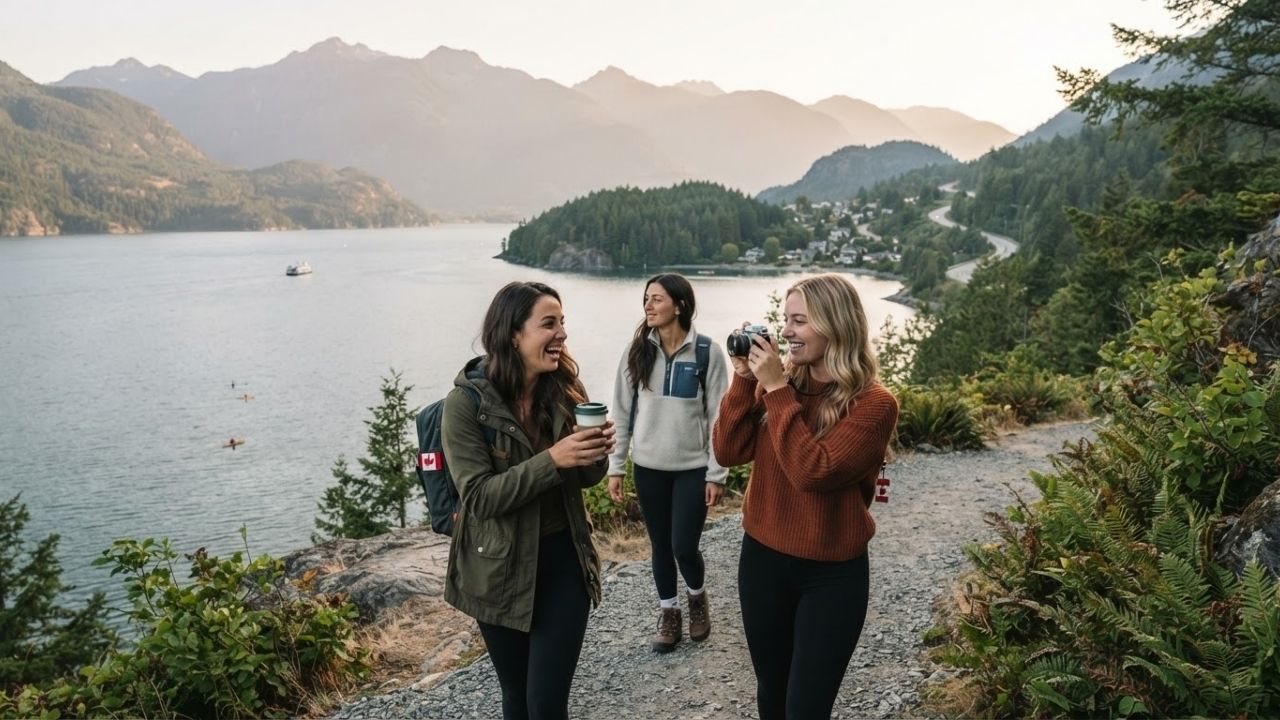
Image generated by AI
Encouraging residents to choose domestic vacations to support Canadian workers and local businesses, British Columbia Premier David Eby has urged a re-evaluation of non-essential travel to the United States.
Travel patterns in North America are facing new challenges as trade tensions between Ottawa and Washington begin to impact consumer behavior. Following the introduction of tariffs on Canadian products and subsequent retaliatory measures from Canada, public debates have shifted to consumer spending habits. While the announcement does not establish official border restrictions, it highlights the growing role of economic patriotism in vacation planning. This shift encourages travelers to redirect their holiday spending to domestic destinations, supporting regional tourism networks during periods of international economic disagreement.
Economic Patriotism: David Eby's Call for Domestic Travel
Premier David Eby’s message focused on the economic impact of discretionary spending during trade disagreements. By choosing Canadian destinations, travelers with flexible holiday plans can support local hospitality businesses, hotels, and retail shops that rely on steady consumer demand.
Although the appeal is not an official travel ban, it introduces a discussion about the environmental and economic impacts of travel choices. Citizens remain free to cross the border, flights continue to operate, and cross-border transport systems remain open. However, the call to support domestic industries shows how regional tourism is increasingly connected with wider economic and trade policies.
Impact Analysis: Exposed US Gateways and Border Destinations
The Canada-US travel relationship represents one of the largest international tourism corridors in the world. Millions of Canadian travelers cross the border annually for shopping excursions, weekend breaks, family visits, and warm-weather vacations. A decline in visitor numbers could impact border economies and leisure destinations that rely on Canadian spending.
- Washington State & Seattle: Located directly adjacent to British Columbia, these areas rely heavily on Canadian travelers for weekend shopping, cultural events, and airport connections.
- Florida & Arizona: Popular winter destinations for Canadian seasonal travelers seeking warm climates and resort experiences.
- California & Nevada: Attract visitors with coastal road trips, national parks, and entertainment options.
- Border States (MI, ME, NY): Rely on short-haul road travelers from Ontario and Quebec for regional hotel occupancy and dining sales.
British Columbia's Alternatives: From Coastal Vistas to Okanagan Vineyards
While a shift in travel sentiment presents challenges for US border communities, it offers an opportunity for British Columbia’s domestic tourism sector. The province features a range of destinations that compete directly with international holidays, providing options for different travel segments.
Travelers can choose urban stays in Vancouver, alpine trails in Whistler, or historic harbor experiences in Victoria. For outdoor enthusiasts, Vancouver Island offers coastal hiking, surfing, and wildlife viewing. Additionally, the Okanagan Valley provides wine tours and lake recreation, serving as a popular alternative to California’s wine regions.
Interconnected Transport and Travel Industry Responses
Airlines, hospitality groups, and tour operators on both sides of the border are monitoring these changes in consumer confidence. The travel market remains highly integrated, with transborder flights and rail networks connecting major cities. Actual travel decisions will continue to depend on factors such as lodging costs, exchange rates, and personal connections.
To maintain booking volumes, tourism businesses are focusing on flexible booking options, welcome campaigns, and expanded domestic promotions. Many travelers with long-standing plans or family connections will continue their cross-border journeys. However, marketing agencies are adapting their messaging to target local residents who may be reconsidering international trips.
Promoting Sustainable Local Travel and Indigenous Partnerships
Choosing domestic travel in British Columbia aligns with sustainable travel initiatives. By vacationing within the province, travelers can reduce transport emissions associated with long-distance flights. Staying in local guesthouses and dining at independent restaurants supports small-scale producers and keeps tourism revenue in regional communities.
The province also promotes Indigenous cultural tourism in partnership with the Indigenous Tourism Association of Canada. Booking experiences with First Nations-owned operators helps preserve cultural heritage and supports community development. These initiatives offer authentic travel experiences that emphasize environmental conservation and cultural education.
Practical Travel Advice and Local Insider Tips
For travelers planning vacations within British Columbia or navigating cross-border trips, local guides recommend these guidelines:
- Explore the Okanagan Valley in Autumn: Visit the vineyards during the September and October grape harvest. Lodging rates are more competitive than in summer, and the tasting rooms are quieter.
- Sample Wild Pacific Salmon: Support local fisheries by ordering wild-caught Pacific salmon at independent restaurants in coastal communities like Tofino or Ucluelet.
- Observe Indigenous Etiquette: When visiting First Nations heritage sites or booking cultural tours, follow local protocols regarding photography, stay on marked paths, and respect sacred sites.
- Discover the Sunshine Coast: Take a scenic ferry from Horseshoe Bay to the Sunshine Coast. This quiet alternative to Vancouver and Whistler offers hiking, kayaking, and local artist studios.
- Verify Border Wait Times Online: If you plan a cross-border road trip, check wait times on government border websites to plan your crossing during off-peak morning hours.
Canada-US Border Tourism Comparison Framework
| Tourism Market / Region | Exposure to Cross-Border Shift | Primary Canadian Travel Appeal | Key Domestic Alternatives |
|---|---|---|---|
| Washington State / Seattle | High exposure (adjacent to BC) | Shopping, weekend city breaks | Vancouver urban stays |
| Florida | Medium-High exposure | Winter warm-weather vacations | Victoria & Vancouver Island resorts |
| California | Medium exposure | Coastal road trips, national parks | Okanagan wine route, Sunshine Coast |
| Border States (MI, ME, NY) | High exposure (road travelers) | Short weekend breaks, shopping | Canadian municipal and provincial parks |
| British Columbia | High growth potential (domestic) | Nature tourism, wilderness trails | Whistler mountain trails, local lodges |
Frequently Asked Questions
Are there any official travel restrictions between Canada and the United States?
No. There are currently no general travel bans, border closures, or official travel restrictions. Canadians can travel freely to the United States for tourism, business, and personal reasons.
Why did British Columbia's Premier advise against US travel?
Premier David Eby encouraged residents to choose Canadian destinations to support domestic businesses and workers during a period of trade disputes and tariff tensions.
Which US destinations are most affected by a decline in Canadian tourism?
Border states like Washington, Michigan, Maine, and New York are highly exposed, alongside warm-weather destinations including Florida, California, Arizona, and Nevada.
What British Columbia destinations can benefit from domestic travel?
The province offers alternatives including urban experiences in Vancouver, alpine trails in Whistler, coastal getaways on Vancouver Island, and wine tourism in the Okanagan Valley.
The Long-Term Outlook for Transborder Travel
The current trade dispute shows how seasonal travel can be influenced by broader political and economic events. While cross-border ties remain strong due to family connections and business partnerships, domestic travel campaigns offer a way to strengthen regional tourism. By showing that local scenery is a key economic asset, communities can build more resilient, year-round business models. For travelers, this shift provides opportunities to discover new destinations closer to home, supporting local culture and environmental preservation.
By choosing local operators and respecting regional conservation guidelines, visitors help support sustainable tourism throughout British Columbia.
Related Travel Guides
Disclaimer
This article is for informational and educational purposes only. It does not constitute legal, financial, or professional advice. While we strive to provide accurate and up-to-date information, travel policies, regulations, and conditions change rapidly. Always verify information with official sources before making travel decisions. Nomad Lawyer makes no representations about the accuracy, reliability, completeness, or suitability of the information provided. Readers should consult qualified professionals for advice specific to their circumstances. The views expressed in this article are those of the author and do not necessarily reflect the views of Nomad Lawyer.
Raushan Kumar
Founder & Lead Developer
Full-stack developer with 11+ years of experience and a passionate traveller. Raushan built Nomad Lawyer from the ground up with a vision to create the best travel and law experience on the web.
Learn more about our team →