
US Birthright Citizenship Debate 2026: Impact of Trump Executive Actions on International Visitors
New executive actions targeting birthright citizenship are creating uncertainty for international travelers and pregnant visitors entering the United States in 2026.

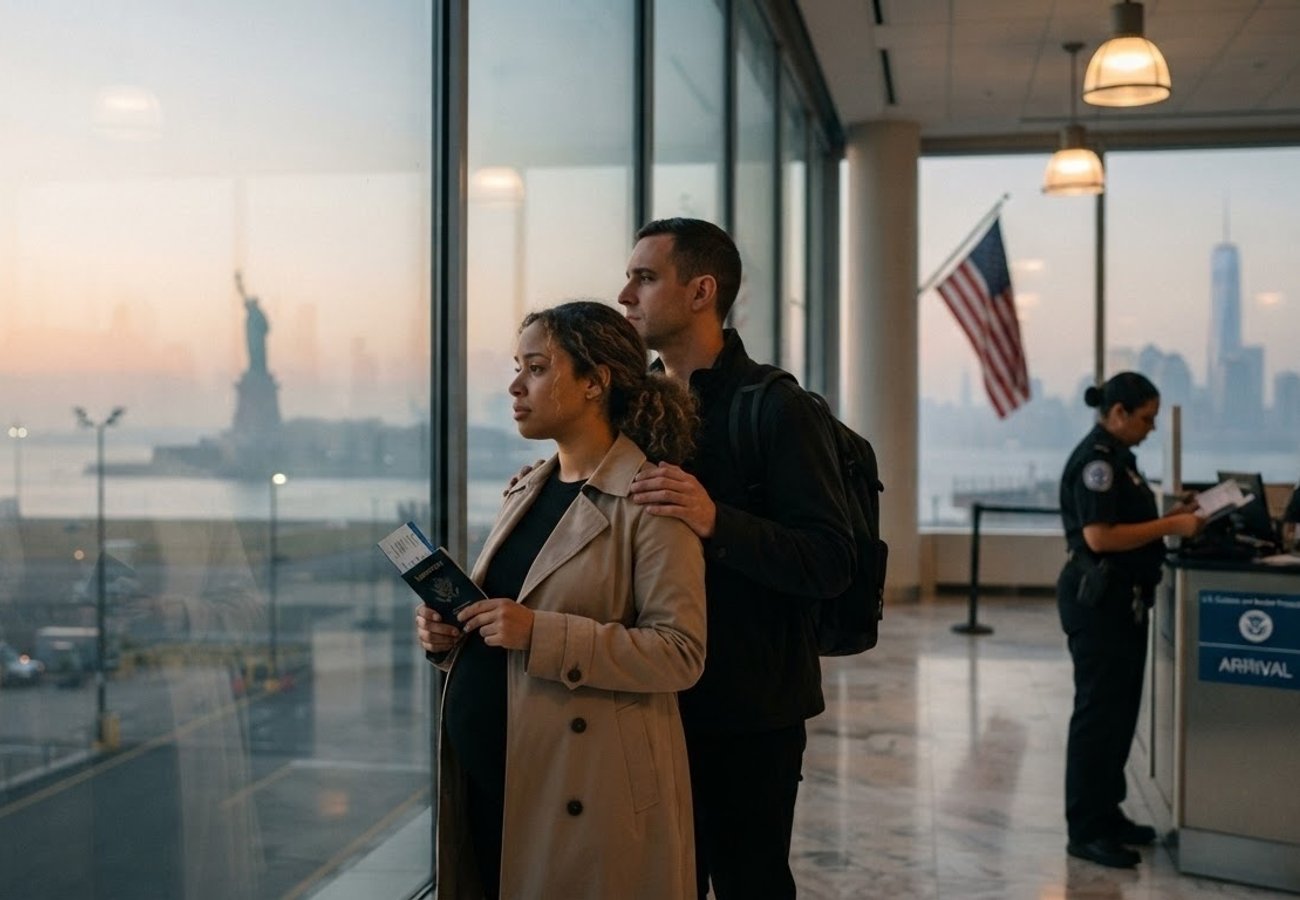
Image generated by AI
US birthright citizenship has become a major travel and immigration issue after new executive actions from the Trump administration reignited debate over citizenship rights for children born in America. The policy discussion has created uncertainty among some international travelers, particularly families and pregnant visitors planning trips to the United States.
On August 7, 2026, legal and travel organizations reported a rise in inquiries from prospective visitors regarding new entry controls. While legal challenges continue and existing constitutional interpretations remain under review, travelers are seeking clarity about how these changes affect visas, border procedures, and vacation planning.
The Constitutional Conflict Over Jus Soli
Birthright citizenship is rooted in the Citizenship Clause of the 14th Amendment to the US Constitution. For more than a century, courts have interpreted this clause as a broad guarantee that children born on American soil are recognized as citizens at birth.
A landmark Supreme Court decision, United States v. Wong Kim Ark (1898), confirmed these rights for children born in America to foreign parents under many circumstances. However, the current administration has challenged this long-standing interpretation, arguing that the executive branch has the authority to define who qualifies for citizenship at birth.
Executive Actions Target Temporary Visa Holders
The administration’s executive actions seek to restrict citizenship recognition for children born in the United States when parents are temporarily present in the country. The target demographics include:
- Parents who are not US citizens.
- Parents who are not lawful permanent residents (Green Card holders).
- Parents who are present in the United States under temporary non-immigrant visa categories.
The measures aim to curb birth tourism—the practice of traveling to the United States specifically to give birth so the child receives citizenship. Opponents, including the American Immigration Lawyers Association, argue that birthright citizenship is constitutionally protected and cannot be altered through executive action alone, prompting immediate legal battles.
Scrutiny and Entry Questions for Pregnant Travelers
For the majority of international visitors, day-to-day travel procedures remain unchanged while courts review the executive orders. However, the debate has led to increased focus on pregnant travelers entering the country.
Customs and Border Protection (CBP) officers maintain final authority to admit or refuse entry at airports and land borders. If border officials believe a traveler’s primary purpose is birth tourism rather than the tourism declared on a visitor visa, they may face additional questioning or entry refusals.
Rebuilding Traveler Confidence in Major Tourism Markets
The United States depends heavily on international visitors for leisure, business travel, and cultural exchange, drawing millions of travelers from India, Canada, Mexico, China, and Europe every year. Predictability in border policies is essential to maintain travel demand.
Tourism organizations highlight that visa clarity directly impacts booking cycles. To ensure smooth transit, travelers should monitor official visa guidelines from the U.S. Department of State and entry rules from U.S. Customs and Border Protection rather than relying on unverified online forums.
Supporting Local Gateway Communities and Immigrant Heritage
Travelers entering the United States can practice sustainable tourism by supporting local communities at their entry ports. Supporting independent, immigrant-owned businesses and cultural venues in gateway neighborhoods like Queens in New York or the Mission District in San Francisco helps distribute tourism spending.
Utilizing public rail networks to travel within cities helps reduce emissions. Engaging responsibly with local heritage organizations is another excellent way to learn about the history of immigration that has shaped the modern American scene.
US Border Entry Insider Tips: Gateway Seasons, Etiquette, and Dining
- Best Travel Window: For major entry points like New York or California, plan your trip during the shoulder seasons of March to April or September to October. These periods offer pleasant weather and lower hotel rates compared to peak summer and winter holidays.
- Border and Visa Etiquette: Answer all questions at consular offices and CBP checkpoints clearly and directly. Keep printed copies of your return ticket, hotel reservation, and travel medical insurance on hand to demonstrate a clear intent to return home.
- Local Culinary Specialties: Try classic regional specialties depending on your entry gateway—such as a traditional New York-style bagel with lox in NYC, or fresh sourdough bread in San Francisco.
- Under-the-Radar Spot: Walk along the Palisades Interstate Park just across the Hudson River from Manhattan. It offers excellent hiking paths and panoramic skyline views away from the crowded observation decks.
FAQ: US Birthright Citizenship Debate 2026
Q1: What are the Trump administration's executive actions on birthright citizenship? The actions direct federal agencies to limit citizenship recognition for children born in the US to parents who are not citizens, permanent residents, or are on temporary visas.
Q2: What is the constitutional basis for birthright citizenship? Birthright citizenship is protected under the Citizenship Clause of the 14th Amendment and was upheld by the Supreme Court in United States v. Wong Kim Ark (1898).
Q3: Can pregnant travelers still visit the United States? Yes, but they may face increased questioning regarding their travel intent. Visitors must demonstrate a clear intent to return to their home country and show they can cover their expenses.
Related Travel Guides
Visa Crackdown: Trump Renews Executive Order on Birth Tourism Scrutiny
The 10 Best Things to Know About US Visa Scrutiny, According To Reddit
Disclaimer
This article is for informational and educational purposes only. It does not constitute legal, financial, or professional advice. While we strive to provide accurate and up-to-date information, travel policies, regulations, and conditions change rapidly. Always verify information with official sources before making travel decisions. Nomad Lawyer makes no representations about the accuracy, reliability, completeness, or suitability of the information provided. Readers should consult qualified professionals for advice specific to their circumstances. The views expressed in this article are those of the author and do not necessarily reflect the views of Nomad Lawyer.
Kunal K Choudhary
Co-Founder & Contributor
A passionate traveller and tech enthusiast. Kunal contributes to the vision and growth of Nomad Lawyer, bringing fresh perspectives and driving the community forward.
Learn more about our team →