
US B1/B2 Visa Wait Times Hit 9.5 Months in India: Strategic Planning Guide for 2026
India's US visa appointment waits now stretch to 9.5 months in Hyderabad and Mumbai. Here's how to navigate delays and secure earlier interview slots.

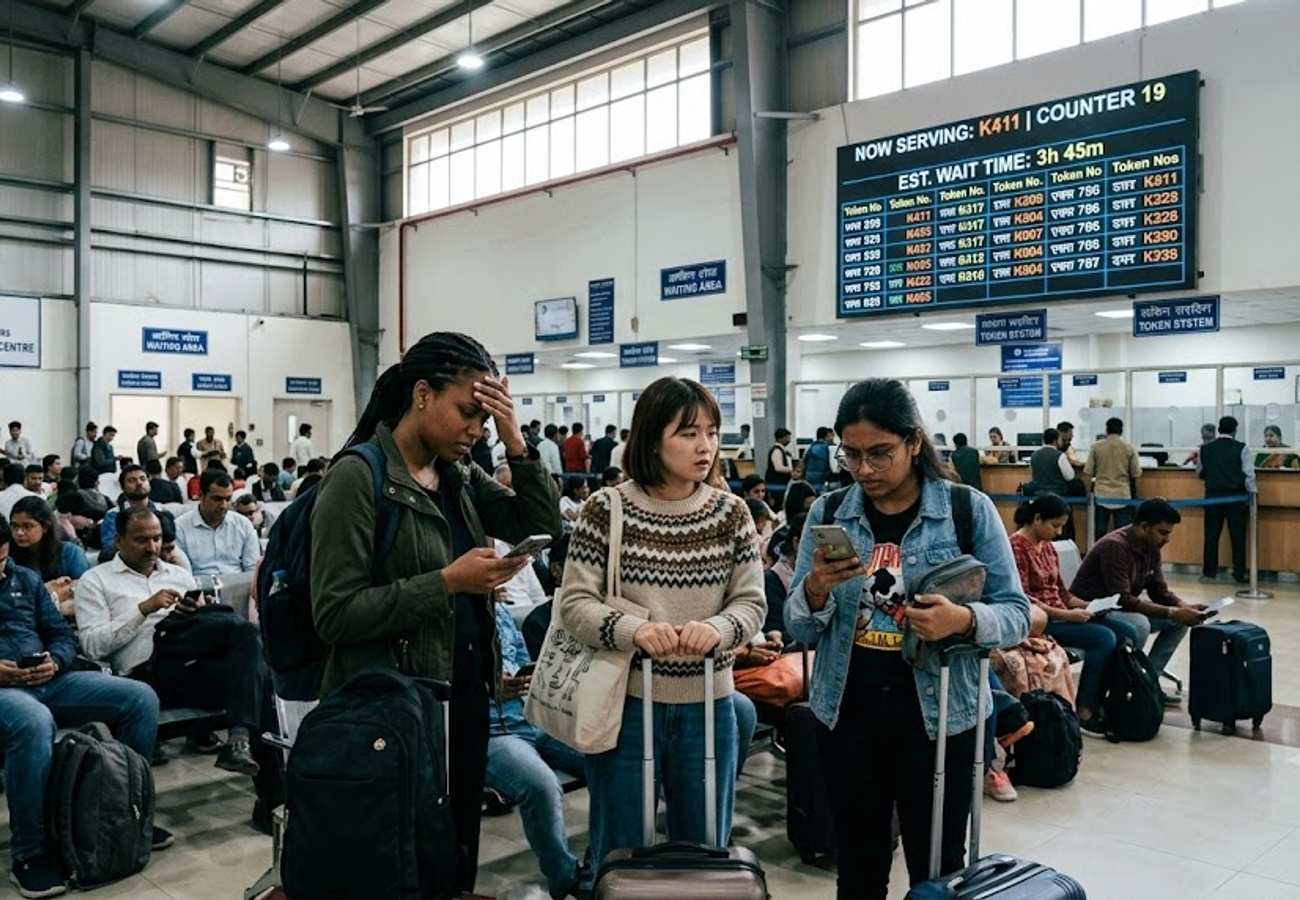
Image generated by AI
I've spent enough time sitting in consulate waiting rooms across South Asia to know this cold: if you're planning a US trip from India right now, you need to act yesterday. The B1/B2 tourist visa appointment queue has stretched to genuinely painful lengths—and it directly affects your travel timeline.
When I checked the US Department of State's visa wait time portal last week, the numbers stopped me mid-coffee. Hyderabad and Mumbai have hit 9.5 months. That's not a typo. Nearly a full year between paying your $160 visa fee and sitting down with a consular officer. New Delhi runs 7.5 months. Chennai, 5.5 months. Kolkata is the outlier at four months—if you have the flexibility to apply there, it matters.
Here's what actually happens in that 9.5-month gap: nothing visible. You pay the fee at a VFS office, receive a receipt, then the US Consulate India's scheduling system assigns you an interview date months later. This isn't administrative processing time post-interview. This is the wait before you even talk to a visa officer.
Why This Matters Right Now
The surge stems from simple math: consular capacity hasn't kept pace with demand. The US Consulate Hyderabad, one of the busiest posts, processes several hundred interviews monthly—but the backlog of fee-paid applicants stretches across thousands of cases. Each consulate has fixed staffing and interview slots. When those fill, applicants wait.
I spoke with a business travel consultant who services tech professionals in Bangalore. She told me she now books client travel six months further out than she did two years ago: "I had a client with a confirmed New York meeting on September 15. He paid his visa fee in April. His interview was scheduled for September 8. He made the trip with five days of buffer. Now? I'm telling clients to assume 10 months minimum for Hyderabad and Mumbai, then add two weeks for passport return via courier." — LinkedIn community feedback from frequent travelers
This isn't just inconvenient—it restructures how you plan. Non-refundable flight bookings become risky. Hotel reservations with strict cancellation policies become liabilities. Conference registrations with early-bird rates pass you by.
Regional Breakdown and What It Means
The unevenness across Indian cities tells you something critical: your consulate location matters enormously. I've tracked appointment releases from the VFS portal for weeks, and the patterns are clear.
Hyderabad and Mumbai: 9.5 months average. These hubs process high volumes—Hyderabad especially, given its tech industry—but the infrastructure hasn't expanded proportionally. Cancellations do create gaps (I'll address that below), but they're rare enough that planning around them is foolish.
New Delhi: 7.5 months. The capital has better throughput than southern metros, possibly due to more diplomatic staff rotations. Still a hard wait.
Chennai: 5.5 months. More manageable, with occasional shorter windows.
Kolkata: 4 months. If you're in eastern India, this is your fastest option. Some travelers from Delhi or Mumbai have successfully applied through Kolkata by claiming sufficient regional connection—verify current eligibility with the consulate.
The official visa wait time tracker updates monthly. The number you see today isn't locked in, but expecting a dramatic drop is optimistic. Migration trends, global tourism recovery, and visa policy changes all influence these queues.
The Cancellation Reality Check
One myth I need to demolish: the idea that constant refreshing of the VFS portal will magically reveal earlier slots. It occasionally works, but don't base your entire plan on it.
Appointment cancellations do happen. Approved applicants get visas, interview dates open up. Some travelers report finding slots 2-3 months earlier than originally assigned by refreshing the system daily. But here's the catch—these openings are scattered, unpredictable, and often fill within hours. I've seen interviews released for the next available Tuesday at 9 AM, filled within two hours. Monitorability isn't the same as accessibility.
If you're extremely flexible (freelancer, sabbatical, no conference deadlines), yes, monitor actively. If you have a firm travel date, build in that full 9.5-month window as your realistic baseline.
Visa Fee Payment Strategy
The clock starts the moment you pay the $160 visa fee at a VFS center. This fee is non-refundable. The appointment is assigned sometime after payment, but the exact timing depends on consulate scheduling algorithms—essentially a black box.
Once assigned, you have limited control. The US Department of State doesn't expedite appointments for a fee. There's no paid priority lane. You're in the queue.
Some applicants ask about interview waivers. This exists for certain categories—primarily those with previous US visas within the last 48 months or who meet specific eligibility criteria. Check with VFS India to confirm your eligibility. If you qualify, it bypasses the interview but still involves processing time. Most first-time tourists don't qualify.
Practical Visitor Guide
Best Time to Apply
Apply immediately if travel is planned within 12 months. For Hyderabad and Mumbai appointments, assume 9-10 months minimum. For New Delhi, budget 8 months. Even if your trip is scheduled for next spring, starting now means interviews could land in December-January—still risky, but workable.
Pre-Application Documentation
Delays can extend if consulates request additional documents (DS-160 corrections, proof of ties to India, financial documentation). Prepare thoroughly:
- Valid passport (6+ months validity beyond intended US stay)
- DS-160 online nonimmigrant visa application confirmation
- Photo meeting strict specifications (consulate site has exact dimensions)
- Proof of funds (bank statements, pay stubs, sponsor letters if applicable)
- Proof of ties to India (employment letter, property deed, family documentation)
Get these finalized before paying the fee. A request for documentation during your interview slot can create cascading delays.
Regional Safety and Consulate Logistics
All three major consulate locations are secure. The Hyderabad consulate sits in the Greenlands area; Mumbai is in Colaba. Arrive early on interview day—security queues can extend 30+ minutes. Bring only essentials (ID, appointment letter, documents). Phones and bags are restricted.
Budget Reality
Visa fee: $160 USD (approximately ₹13,300 at current rates). VFS service fee: ₹1,050-2,100 depending on processing speed. Courier fees for passport return: ₹500-1,500 depending on distance. Total minimum: ₹16,000-17,000 ($190-205).
Add costs for document preparation if you need notarization or translation. Many applicants hire visa consultants (₹3,000-8,000) to review applications—worthwhile if you're uncertain about document sufficiency, but not mandatory.
Safety and Scams
Legitimate application is through VFS India (official partner) or directly at the consulate. No third-party "expediter" can accelerate your appointment. Websites promising faster processing are fraudulent. Stick to travel.state.gov and official consulate pages.
Monitoring Appointment Status
After fee payment, you receive a reference number. Check the VFS portal monthly using this number. Most applicants first see their interview date assigned 3-6 months after fee payment. When assigned, you get an email notification—but check the portal as backup, as emails occasionally land in spam.
The Honest Timeline
Stop planning your trip around "hopefully faster appointments." Build 11 months into your mental timeline from application start to approved visa-in-hand. If your interview comes in 8 months, you've gained buffer. If it hits 10, you're still safe.
The current backlog is structural, not temporary. It reflects sustained demand meeting fixed capacity. That changes when consulate staffing expands or demand drops—neither seems imminent as of mid-2026.
Plan ahead ruthlessly, but monitor actively. The wait is real, but it's navigable if you start now.
Related Travel Guides
Disclaimer
This article is for informational and educational purposes only. It does not constitute legal, financial, or professional advice. While we strive to provide accurate and up-to-date information, travel policies, regulations, and conditions change rapidly. Always verify information with official sources before making travel decisions. Nomad Lawyer makes no representations about the accuracy, reliability, completeness, or suitability of the information provided. Readers should consult qualified professionals for advice specific to their circumstances. The views expressed in this article are those of the author and do not necessarily reflect the views of Nomad Lawyer.
Raushan Kumar
Founder & Lead Developer
Full-stack developer with 11+ years of experience and a passionate traveller. Raushan built Nomad Lawyer from the ground up with a vision to create the best travel and law experience on the web.
Learn more about our team →