
US Flight Disruptions Widespread with 4,367 Delays and 210 Cancellations Due to Severe Weather
Widespread severe weather triggers 4,367 delays and 210 cancellations across US airports, impacting JFK, Atlanta, and Boston Logan.

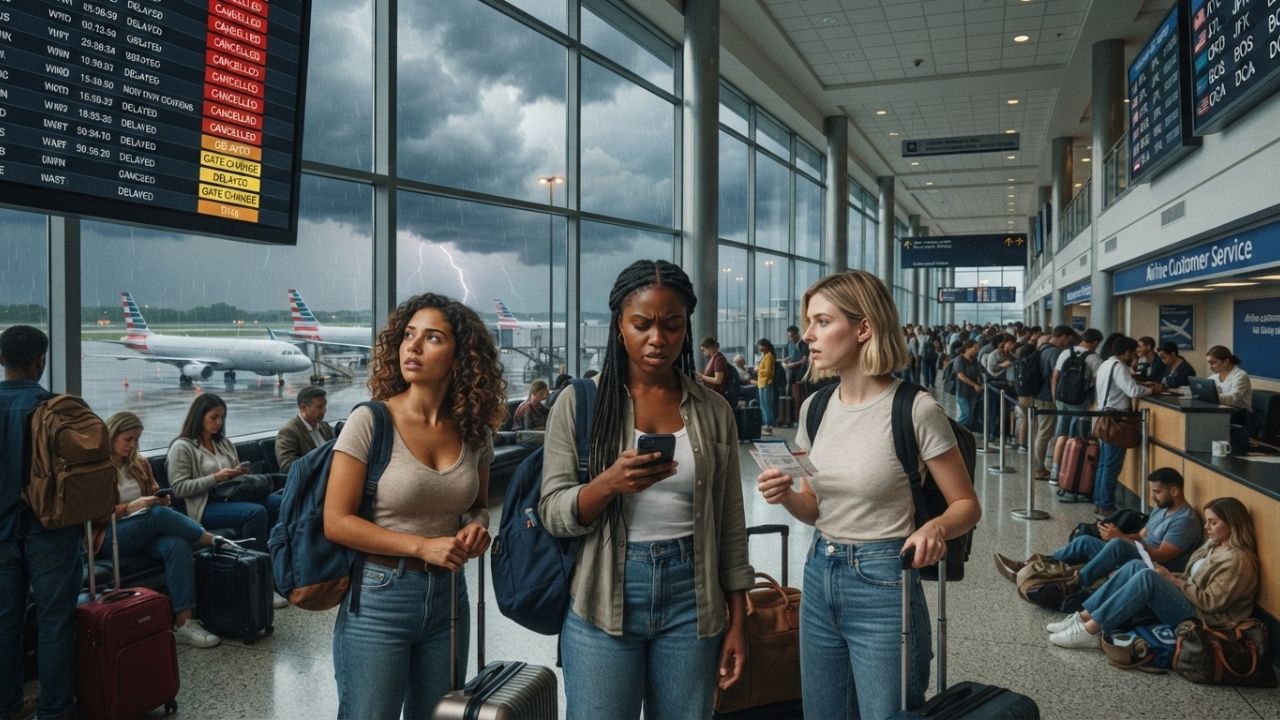
Image generated by AI
Severe thunderstorms across the eastern and central regions have triggered widespread aviation disruptions in the United States, recording 4,367 flight delays and 210 cancellations. Major hubs including John F. Kennedy Airport (JFK), Hartsfield-Jackson Atlanta, and Boston Logan are facing departure delays and ground stops.
The national aviation network of the United States is experiencing significant scheduling pressure as a slow-moving thunderstorm system moves across the central and eastern regions. Under the impact of repeated heavy rainfall and thunderstorms, air traffic control towers have implemented safety ground stops and traffic management protocols. The disruptions are affecting travel schedules, cargo shipping, and connections at many of the country's largest transit hubs.
For travelers caught in this weather system, the situation highlights the complexity of managing passenger flows during periods of regional environmental instability. Understanding passenger rights, airline waiver regulations, and airport transit strategies is essential to minimize delays and secure alternative travel routes.
Heavy Disruptions and Ground Stops at East Coast Gateways
Data compiled by FlightAware on August 4, 2026, at 5:44 pm ET USA reveals the extent of the disruptions, with 4,367 delays and 210 cancellations recorded nationwide. Weather-driven Ground Stop programs and Traffic Management Initiatives (MIT) enforced by the Federal Aviation Administration (FAA) are causing departure delays across the East Coast and Midwest.
John F. Kennedy Airport (JFK) in New York recorded the highest volume of cancellations, with 53 departures halted, representing over 25% of the national total. JetBlue experienced the highest cancellation rate at JFK, reporting 37 cancellations and 93 delays, followed by Delta Air Lines and Endeavor Air. Boston Logan was also heavily affected, registering 198 delays and 26 cancellations, with JetBlue accounting for 23 cancellations and 77 delays.
Hartsfield-Jackson Atlanta International Airport (ATL) experienced the largest volume of delayed departures, logging 956 delays alongside 14 cancellations. Delta Air Lines, which operates its primary hub in Atlanta, registered 603 delays at the airport. Widespread weather systems also caused delays at Chicago O’Hare (337 delays, 14 cancellations) and LaGuardia (200 delays, 16 cancellations).
Representative airport indicators reported during the disruption include:
- Philadelphia International Airport: Out of 880 total scheduled flights, the airport recorded 92 delays and 3 cancellations.
- San Francisco International Airport: Approximately 15% of all flights experienced delays, averaging 30 minutes in duration.
- Phoenix Sky Harbor International Airport: The airport maintained regular operations, accommodating its daily average of 1,300 arrivals and departures.
- Portland International Airport (PDX): Real-time tracking recorded 40 delays (30 arrivals, 10 departures) and 2 cancellations.
The table below outlines the cancellations and delays across major United States carriers during the peak of the storm system:
| Operating Airline | Flight Cancellations | Flight Delays |
|---|---|---|
| Delta Air Lines | 17 | 796 |
| American Airlines | 9 | 704 |
| Southwest Airlines | 7 | 513 |
| United Airlines | 21 | 332 |
| JetBlue | 65 | 304 |
| Endeavor Air (Delta Connection) | 10 | 249 |
| PSA Airlines (American Airlines) | 21 | 132 |
| Alaska Airlines | 11 | 104 |
Air Routing Environmental Challenges and Passenger Protection Frameworks
For the traveler, the real impact of these disruptions is a reminder of the environmental footprint associated with flight diversions, holding patterns, and extended taxi times. When weather patterns force hundreds of aircraft to idle on runways or fly circular routes waiting for landing clearance, carbon emissions and fuel waste rise significantly.
To manage this impact, airlines are increasingly utilizing digital routing systems to plan flight paths around storm centers rather than relying on tactical diversions. Choosing direct flights, packing light to reduce aircraft weight, and supporting carriers that invest in bio-aviation fuels help mitigate the environmental impact of unavoidable scheduling delays.
Terminal Navigation and Local Culinary Specialties During Delays
To help you navigate these cancellations and manage your transit during severe weather events, follow these tips:
- Passenger Rights Guidelines: Under the Department of Transportation (DOT) guidelines, if your flight is cancelled by the airline, you are entitled to a full refund of the unused ticket portion, even for non-refundable tickets. JetBlue has issued a travel waiver covering Boston, JFK, LaGuardia, Newark, Philadelphia, Washington Reagan, Westchester County, and Long Island/Islip, allowing changes without change fees.
- Transit and Connection Planning:
- In Boston Logan: Utilize the MBTA Blue Line to connect directly to downtown Boston, bypassing highway traffic during weather-related road delays.
- In JFK: Check the AirTrain status before leaving your terminal; during severe storms, track transit times to ensure you reach connection gates on time.
- In Atlanta: If transferring terminals, use the underground Plane Train rather than walking the concourses to save time between tight connections.
- Local Culinary Specialties at Disruption Hubs:
- At Boston Logan (BOS): Try a warm bowl of traditional New England Clam Chowder at Legal Sea Foods in Terminal B or C.
- At Chicago O’Hare (ORD): Grab a slice of Chicago-style deep-dish pizza at Uno Due Go in Terminal 1.
- At Atlanta (ATL): Enjoy a plate of peach cobbler or southern fried chicken at One Flew South in Concourse E.
- FAA Departure Advisories:
- Miami (MIA): Average departure delay of 30 minutes (decreasing trend) due to Traffic Management Initiatives.
- Fort Lauderdale (FLL): Average departure delay of 30 minutes (increasing trend).
- Hartsfield-Jackson Atlanta (ATL): Average departure delay of 30 minutes (increasing trend) due to thunderstorms.
- Carry-On Packing Strategy: Always pack essential medications, phone chargers, travel documents, and a change of clothes in your carry-on bag rather than checked luggage, ensuring you have access to vital supplies if your baggage is delayed or held at a transit hub.
Future Outlook for Domestic Aviation Network Resilience
The persistence of severe weather patterns across the Plains, Midwest, and East Coast indicates that flight delays are likely to continue through the week. As the National Weather Service (NWS) warns of potential flash flooding, airlines will continue to coordinate with the FAA to adjust schedules.
Over the long term, improving airport runway drainage, upgrading digital air traffic coordination systems, and expanding gate capacity will remain essential to reduce weather-driven disruptions. By maintaining clear communication, offering flexible rebooking options, and prioritizing passenger safety, the aviation sector can manage seasonal weather challenges while supporting the stable growth of the national travel industry.
Related Travel Guides
- Tennessee Tourism Hits Record 150 Million Visitors Driving $32.5 Billion in Direct Spending
- Gulf Aviation Hubs Struggle with Over 1,000 Flight Disruptions as Storms and Regional Security Concerns Impact Travel Networks
- United States Travel Advisory Re-Evaluates Kenya Security Levels Over Persistent Crime and Cross-Border Terrorism Threats
Disclaimer
This article is for informational and educational purposes only. It does not constitute legal, financial, or professional advice. While we strive to provide accurate and up-to-date information, travel policies, regulations, and conditions change rapidly. Always verify information with official sources before making travel decisions. Nomad Lawyer makes no representations about the accuracy, reliability, completeness, or suitability of the information provided. Readers should consult qualified professionals for advice specific to their circumstances. The views expressed in this article are those of the author and do not necessarily reflect the views of Nomad Lawyer.
Kunal K Choudhary
Co-Founder & Contributor
A passionate traveller and tech enthusiast. Kunal contributes to the vision and growth of Nomad Lawyer, bringing fresh perspectives and driving the community forward.
Learn more about our team →