
Asian Aviation Disruption: Thousands of Flights Delayed and Cancelled

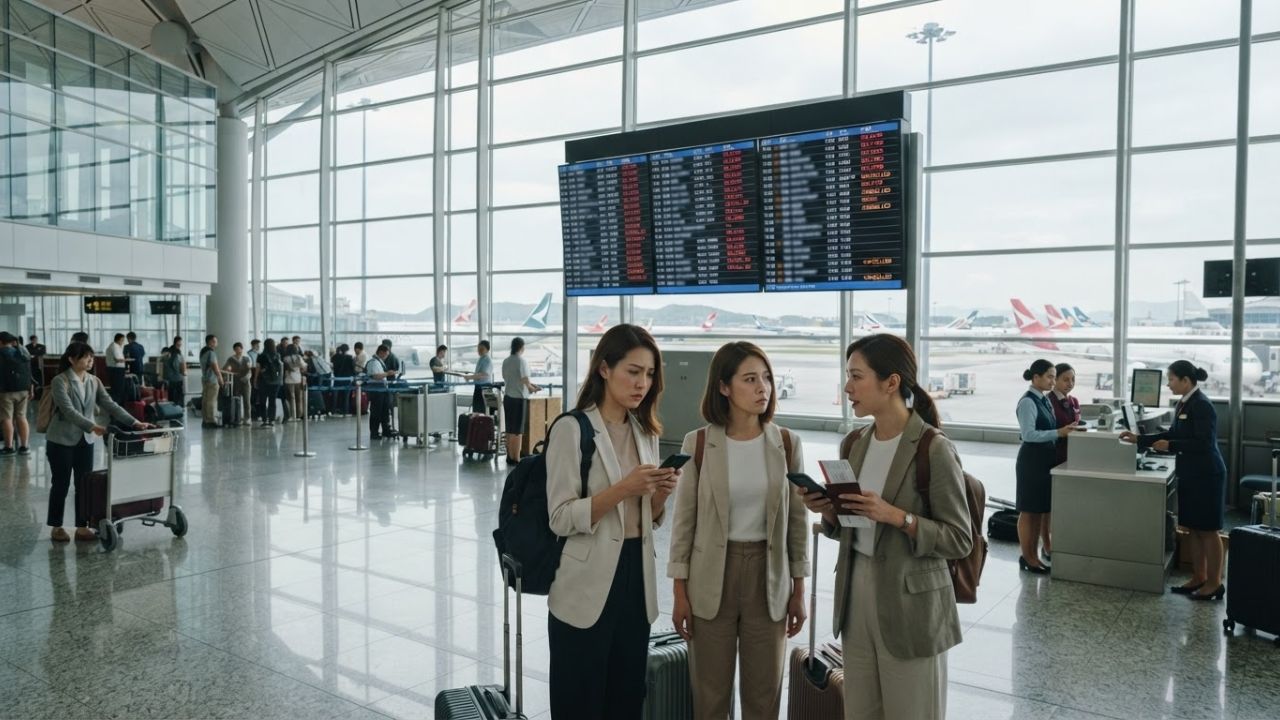
Image generated by AI
Flight cancellations and delays are affecting major aviation hubs across Asia today, with 233 cancellations and 3,693 delays reported across China, the UAE, Hong Kong, Thailand, Indonesia, and Saudi Arabia. Data from global flight-tracking sources like FlightAware shows that major airports including Beijing Capital, Guangzhou Baiyun, Xi'an Xianyang, Shanghai Hongqiao, Jakarta-Soekarno-Hatta, Dubai, and King Khalid International are experiencing significant operational disruptions, affecting thousands of passengers.
Among the carriers, China Eastern recorded the most delays with 502, followed by China Southern Airlines and Air China. Saudia recorded the highest number of cancellations with 65, followed by Air China and China Eastern. Widespread delays and cancellations were also reported for XiamenAir, Emirates, Cathay Pacific, FlyDubai, Air Arabia, Shenzhen Airlines, Bangkok Airways, SpiceJet, Air India Express, Thai Airways, Garuda Indonesia, Citilink, and Lion Air.
The Local Trend: Operational Rotations and Air Traffic Management
The primary trend in modern aviation management is the high vulnerability of hub-and-spoke networks to knock-on disruptions. Widespread flight delays and cancellations are rarely caused by a single isolated event. Instead, they result from a combination of crew availability limits, aircraft scheduling constraints, and air-traffic management restrictions at busy airports.
When a single aircraft or flight crew falls behind schedule during an early morning flight, subsequent flights using the same aircraft experience secondary delays. In busy and complex airspace regions like Southern China and the Arabian Gulf, a delay at one major hub quickly spreads across regional routes, affecting flight rotations throughout the day and forcing airlines to cancel later scheduled services to restore their operational schedules.
Additionally, this intense schedule compression means that passenger recovery is a slow and difficult process. Widespread cancellations create long queues at airport transit desks, as ground service staff work to find alternative seats on subsequent fully booked flights, leading to extended passenger wait times and congestion in the terminal building.
Passenger Protection: Air Travel Rights and Compensations
As flight delays and cancellations increase, travelers must navigate the local passenger rights frameworks established by regional civil aviation authorities:
- Indonesia (Ministry of Transportation Regulation No. PM 89 of 2015): Governs domestic flights, establishing structured compensations based on delay length. A delay of 30 to 60 minutes requires airlines to provide refreshments, while a delay of 121 to 180 minutes requires a heavy meal. Delays exceeding four hours require cash compensation of IDR 300,000, and cancellations require rebooking or a full refund.
- Saudi Arabia (General Authority of Civil Aviation - GACA): Enforces passenger-first regulations for flights departing from Saudi airports. Delays of three to six hours typically entitle passengers to 50 Special Drawing Rights (SDR), while delays exceeding six hours entitle them to 150 SDR, alongside meals, refreshments, and hotel accommodation for extended overnight delays.
- United Arab Emirates (Dubai Civil Aviation Authority): Standardizes passenger protection through consumer directives, requiring airlines to provide clear updates, meals, refreshments, and rebooking or refunds during extended flight suspensions.
Environmental Stewardship: Green Rail Alternatives during Disruptions
Widespread airport congestion highlight the benefits of high-speed rail networks as sustainable alternatives to short-haul domestic flights. By utilizing rail networks, travelers can bypass airport delays while significantly reducing their environmental footprint.
In China, travelers facing flight delays at Beijing Capital or Shanghai Hongqiao can easily transition to the country's high-speed rail system:
- Beijing-Shanghai High-Speed Railway: Connects the two cities in under five hours, running on electricity and offering a low-carbon travel option that avoids airport delays.
- Jakarta-Bandung High-Speed Railway (Whoosh): Connects Jakarta with West Java in 45 minutes, providing an eco-friendly transport link that reduces regional road traffic and aviation emissions.
By choosing electric rail transit during domestic flight disruptions, travelers support a shift toward sustainable regional transit and reduce the carbon footprint associated with short-haul air travel.
Traditional Gastronomy: Culinary Traditions at Disrupted Hubs
Extended airport layovers provide opportunities for travelers to experience traditional culinary specialties at local airport dining venues:
- Guangzhou Wonton Noodles (Guangzhou Baiyun, China): Thin, springy egg noodles served in a hot, clear fish broth, topped with pork and shrimp wontons and fresh chives, representing a staple of Cantonese cuisine.
- Nasi Goreng (Jakarta-Soekarno-Hatta, Indonesia): A classic Indonesian fried rice dish seasoned with sweet soy sauce (kecap manis), tamarind, and garlic, served with a fried egg, crispy shallots, and prawn crackers (krupuk).
- Traditional Arabic Coffee and Dates (Dubai International, UAE): Lightly roasted coffee beans spiced with cardamom and saffron, traditionally served in small cups (finjan) alongside sweet, locally grown dates as a sign of hospitality.
- Tom Yum Goong (Suvarnabhumi Bangkok, Thailand): A hot and sour Thai soup cooked with shrimp, lemongrass, kaffir lime leaves, galangal, chili peppers, and lime juice, offering a balance of spicy and sour flavors.
- Saudi Kabsa (King Khalid International, Saudi Arabia): Spiced long-grain basmati rice served with roasted chicken or lamb, seasoned with black lime, cardamom, cloves, and cinnamon.
- Biryani (Dubai International, UAE): A fragrant rice dish cooked with basmati rice, spices (saffron, bay leaves, cumin), and meat (chicken or lamb), served with yogurt sauce (raita).
- Roti Canai (Suvarnabhumi Bangkok, Thailand): A crispy, layered flatbread served with a side of rich chicken curry or sweetened condensed milk, popular as a quick breakfast or snack.
Visitor Insider Tips: Navigating Airport Delays in Asia
To manage your journey and protect your travel investment during periods of widespread flight disruption, follow these guidelines:
- Verify Flight Status Before Leaving: Check the latest flight updates via the airline's mobile app or website before heading to the terminal. Widespread delays mean flight schedules can change rapidly.
- Register for Premium Transit Programs: In Dubai, utilize the "Dubai Connect" service for long layovers, which may provide hotel accommodation, meals, and transfers. In Jakarta, take advantage of the premium lounges in Terminal 3 for comfortable waiting areas.
- Carry a Physical Travel Folder: Keep printed copies of your passport, visa confirmations, booking details, and travel insurance policies. Having physical documents is extremely useful when rebooking at the airport transit desk during system outages.
- Document All Extra Expenses: Retain all receipts for meals, refreshments, hotel stays, and alternative transport. These are necessary when submitting compensation claims to the airline or your travel insurance provider.
- Use Airport Rail Connections: In Bangkok, use the Airport Rail Link to travel between Suvarnabhumi Airport and city center hotels, bypassing road traffic congestion during flight delays and keeping transit times predictable.
Outlook: Resilient Aviation Infrastructure and Technology
The widespread flight delays of 2026 show that global aviation systems require stronger digital integration to manage schedule disruptions. By upgrading regional airports, expanding slot coordination, and improving crew scheduling tools, civil aviation authorities aim to build a resilient transport network.
Future developments will focus on the deployment of automated passenger rebooking systems, the expansion of solar-powered airport terminals, and the integration of real-time flight tracking databases across international networks. By balancing growth with environmental standards and passenger protection, the aviation sector aims to ensure that air travel remains safe, reliable, and sustainable, supporting international tourism, trade, and business connectivity across the region.
Related Travel Guides
Asia Flight Disruption: Severe Weather and Technical Delays
Gulf Airports Face Severe Delays and Flight Cancellations
Middle East Aviation Disruption: Flights Cancelled Across Key Hubs
Disclaimer
This article is for informational and educational purposes only. It does not constitute legal, financial, or professional advice. While we strive to provide accurate and up-to-date information, travel policies, regulations, and conditions change rapidly. Always verify information with official sources before making travel decisions. Nomad Lawyer makes no representations about the accuracy, reliability, completeness, or suitability of the information provided. Readers should consult qualified professionals for advice specific to their circumstances. The views expressed in this article are those of the author and do not necessarily reflect the views of Nomad Lawyer.
Raushan Kumar
Founder & Lead Developer
Full-stack developer with 11+ years of experience and a passionate traveller. Raushan built Nomad Lawyer from the ground up with a vision to create the best travel and law experience on the web.
Learn more about our team →