
US Travel Markets Pivot to Autumn Surge as Foliage and Holiday Demand Peak
US travel shifts to autumn 2026. Explore the impact of fall foliage, Thanksgiving surges, and regional weather shifts on airlines and hotels across America.

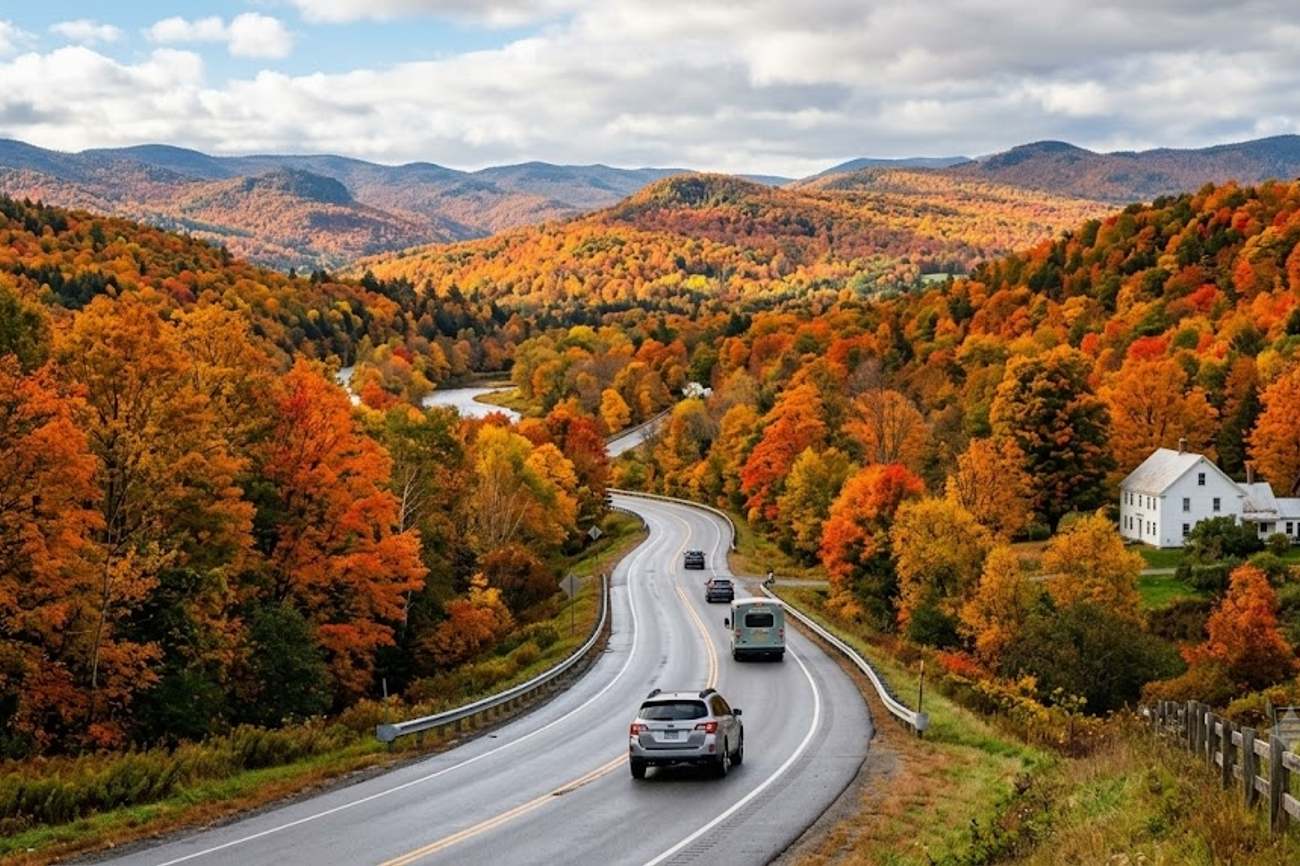
Image generated by AI
[WASHINGTON, D.C.] — The United States travel sector is currently transitioning from the peak summer rush into a high-demand autumn cycle, characterized by a strategic shift in passenger movement toward northern landscapes and seasonal city hubs. This transition, which begins in earnest throughout September, creates a multifaceted demand pattern for airlines, hotel operators, and rental car agencies as travelers chase the "leaf-peeping" season before the massive logistical surge of the December holiday period.
Industry data indicates that the shift is not uniform across the 50 states, creating a staggered demand curve that allows the travel industry to maintain high occupancy rates across diverse climates. While the northern tier of the country prepares for cooler temperatures and vibrant foliage, the southern and subtropical regions continue to operate under summer-like conditions, providing a dual-track opportunity for both nature-seekers and sun-seekers.
Meteorological Shifts Define Regional Travel Patterns
The transition to autumn in the US is governed by two distinct markers. Meteorologically, the autumn season commenced on 1 September, while the astronomical autumn is slated to begin with the September equinox on 22 September 2026. This gap creates a nuanced window for tourism operators to market seasonal experiences.
The geographic disparity in weather means that the "autumn experience" varies wildly by latitude. In the northernmost states and high-altitude regions, the cooling process is rapid, triggering an immediate spike in short-term rentals and outdoor gear demand. Conversely, states such as Florida, Texas, Arizona, and Hawaii maintain warm temperatures well into the season, ensuring that beach-centric tourism remains viable even as the rest of the country pivots toward sweaters and hiking boots.
Northern States Anchor the Early Autumn Economy
The initial wave of autumn travel is concentrated in the Northeast and the Mountain West. States including Maine, Vermont, New Hampshire, Montana, Wyoming, Minnesota, and Alaska are currently seeing the first significant influx of seasonal visitors.
New England remains the primary economic engine for this period. The transformation of forests into vivid reds and oranges drives a massive influx of domestic and international tourists into Vermont, New Hampshire, and Maine. This "foliage economy" supports a wide array of small-town infrastructures, from boutique countryside hotels to local dining establishments, many of which rely on this specific window to sustain annual revenue targets.
Beyond the Northeast, high-elevation destinations in the Rocky Mountains are experiencing a similar trend. September and October have become prime months for national park visits and hiking, as the extreme heat of July and August dissipates, making the wilderness more accessible to the general public.
Foliage-Driven Mobility and Road Trip Trends
The phenomenon of autumn foliage serves as one of the most powerful seasonal drivers for US domestic travel. Unlike traditional city breaks, foliage tourism is characterized by high mobility, with travelers planning extensive road trips across the Great Lakes, the Appalachian Mountains, and the New England corridor.
Because the "peak color" window is highly volatile—influenced by rainfall, temperature fluctuations, and elevation—travelers are increasingly adopting flexible itineraries. This shift toward spontaneous travel puts pressure on rental car availability and mid-scale lodging in rural areas. Scenic rail journeys are also seeing a resurgence as an alternative to driving, offering a curated view of the changing landscapes without the logistical stress of autumn traffic.
Southern States Maintain Summer Momentum
While the north cools, the southern and subtropical regions provide a critical hedge for the travel industry. Destinations in Louisiana, Texas, and Florida, as well as the islands of Hawaii, continue to attract visitors who wish to avoid the autumn chill.
This geographic diversity allows the US to remain a competitive global destination throughout the quarter. International travelers can choose between the aesthetic appeal of a New England autumn or the consistent warmth of the Sun Belt. This split in demand helps balance airline capacity, as carriers can shift focus from northern hubs to southern gateways without a total loss in passenger volume.
Thanksgiving 2026 as a Logistical Turning Point
As the season progresses, the nature of travel shifts from leisure-based exploration to family-centric migration. Thanksgiving, falling on 26 November 2026, serves as the primary catalyst for the heaviest domestic travel window of the year.
This period marks a transition from "experience travel" (nature and scenery) to "connection travel" (family visits). The surge in passenger volume creates extreme pressure on major metropolitan airports and interstate highway systems. Industry observers suggest that early booking for flights and hotels is no longer optional but necessary for those traveling on popular routes, as capacity often reaches its limit weeks before the holiday.
Christmas Integration and Year-End Demand
The momentum generated by Thanksgiving carries directly into the December holiday season. By the time Christmas arrives, the travel drivers have shifted entirely. The focus moves away from national parks and scenic drives toward urban centers, luxury shopping districts, and festive resort destinations.
Christmas travel introduces a different consumption pattern. While autumn travel is often centered on the outdoors, December travel is driven by seasonal entertainment, festive events, and urban hospitality. This ensures that the travel industry remains active through the end of 2026, bridging the gap between the autumn foliage peak and the winter holiday rush.
Regional Weather Advisory for Northeast Travelers
Current reports indicate highly variable conditions across the Northeast, requiring travelers to remain vigilant regarding local forecasts.
| State | Expected Conditions | Travel Impact |
|---|---|---|
| Maine | Generally cooler; isolated thunderstorms and showers | Potential visibility issues for boating and hiking; waterproof gear recommended. |
| New Hampshire | Mixed conditions; clouds and occasional thunderstorms | Slippery trails in the White Mountains; cautious driving required between north/south regions. |
| Vermont | Changeable weather; periods of cloud and rainfall | Potential for sudden shifts in outdoor accessibility. |
Why This Matters: The Traveler's Perspective
For the modern traveler, the 2026 autumn transition represents a strategic window to avoid the crowds of mid-summer and the chaos of late December. However, the "Information Gain" here lies in understanding the volatility of the season.
From a logistical standpoint, relying on a fixed date for "peak foliage" is a common mistake. Because weather patterns are increasingly erratic, the best experience is found through "flexible booking"—using hotels with 24-hour cancellation policies and monitoring real-time foliage trackers. Furthermore, the shift toward Thanksgiving means that the "shoulder season" is shrinking; the gap between the foliage peak and the holiday rush is closing, meaning travelers must plan their autumn escapes earlier than in previous years to avoid price spikes.
Related Travel Guides
Disclaimer
This article is for informational and educational purposes only. It does not constitute legal, financial, or professional advice. While we strive to provide accurate and up-to-date information, travel policies, regulations, and conditions change rapidly. Always verify information with official sources before making travel decisions. Nomad Lawyer makes no representations about the accuracy, reliability, completeness, or suitability of the information provided. Readers should consult qualified professionals for advice specific to their circumstances. The views expressed in this article are those of the author and do not necessarily reflect the views of Nomad Lawyer.
Preeti Gunjan
Contributor & Community Manager
A passionate traveller and community builder. Preeti helps grow the Nomad Lawyer community, fostering engagement and bringing the reader experience to life.
Learn more about our team →