
Sweden Transforms Vast Forests Into Open-Air Culinary Destinations for Global Tourists
Explore Sweden's wild food safaris, from Gotland truffle hunting to forest foraging. Learn how Allemansrätten enables sustainable Nordic culinary tourism.

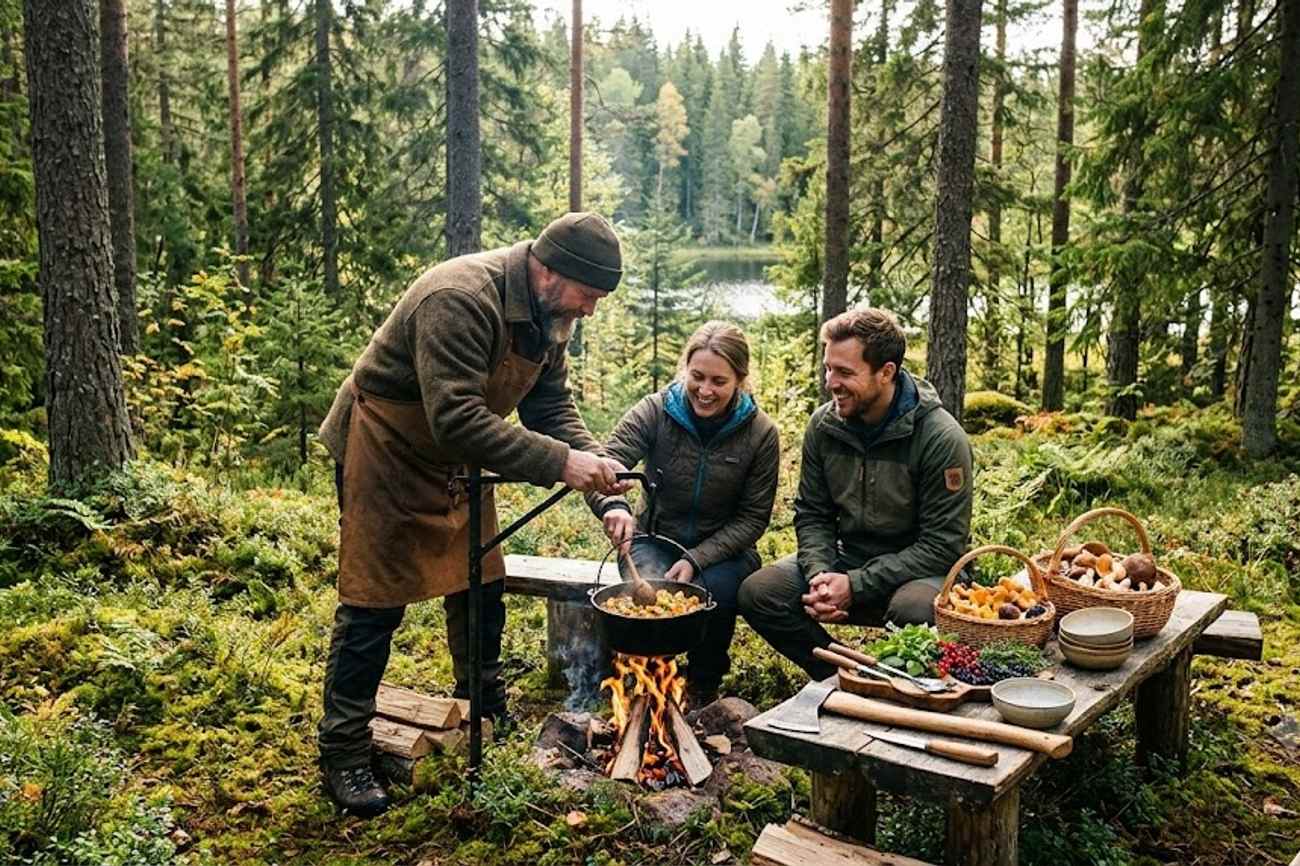
Image generated by AI
[Stockholm, September 9, 2026] — Sweden is redefining the intersection of gastronomy and tourism by converting its expansive wilderness into an interactive pantry for international visitors. These specialized food safaris allow travelers to move beyond traditional sightseeing, engaging directly with the Nordic landscape to harvest wild ingredients and explore the deep-rooted heritage of Scandinavian cuisine.
The shift toward nature-based culinary tourism reflects a broader global demand for authentic, slow-travel experiences. Rather than visiting curated museums or urban landmarks, tourists are increasingly venturing into the backcountry to collect seasonal berries and fungi, often preparing these finds in their natural environment. This movement is not merely about food; it is a strategic integration of environmental education and luxury travel.
Nordic Landscapes as Interactive Kitchens
The Swedish wilderness serves as the primary stage for these culinary journeys, where the forest floor provides a rotating menu of seasonal delicacies. By partnering with local experts, visitors are guided through dense woodlands to identify and harvest edible flora. This hands-on approach creates a tangible link between the raw landscape and the refined plates found in high-end Nordic restaurants.
The surge in popularity for these safaris is particularly evident during the late summer and autumn months. During this window, the biodiversity of the region peaks, offering a wealth of produce. Industry data indicates that approximately 70 per cent of Sweden's territory is forested, providing an almost limitless infrastructure for outdoor gastronomic activities across various provinces. This accessibility has allowed Sweden to position itself as a leader in responsible, nature-centric tourism.
Harvesting the Natural Pantry of the North
A core component of the Swedish food safari is the active participation in the harvest. Unlike standard tours, these experiences require visitors to engage in the physical act of foraging, transforming the traveler from a passive observer into an active participant in the food chain.
Guided expeditions typically focus on a specific set of high-value wild ingredients:
- Wild Berry Foraging: Intensive picking sessions during the late summer and autumn peaks.
- Fungal Expeditions: Targeted searches for the prized chanterelle mushroom.
- Botanical Walks: Guided tours led by local experts to identify edible wild plants.
- Heritage Learning: Instruction on traditional Nordic preservation and preparation methods.
- Wilderness Cooking: Open-fire culinary experiences utilizing freshly gathered ingredients.
- Eco-Tourism Integration: Activities designed to minimize the human footprint on the ecosystem.
By shifting the focus from the restaurant to the forest, travelers gain a comprehensive understanding of how regional climates and soil compositions dictate the flavor profiles of Swedish cuisine.
Allemansrätten and the Legal Framework of Exploration
The feasibility of these food safaris is underpinned by a unique cultural and legal pillar known as Allemansrätten, or the Right of Public Access. This longstanding Swedish principle grants individuals the freedom to roam through nature, including private land, provided they do not disturb the owner or damage the environment.
For the international tourist, Allemansrätten removes the typical barriers associated with land ownership, allowing for an authentic exploration of the countryside. However, this freedom comes with strict ethical obligations to ensure the sustainability of the ecosystem.
To maintain the integrity of the wilderness, visitors are urged to adhere to the following safety and conservation protocols:
- Strict Identification: Never consume any fungi or plant unless it has been positively identified as edible by a professional.
- Sustainable Harvest: Collect only the quantity required for immediate use to avoid over-harvesting.
- Biodiversity Protection: Avoid picking plants in protected wildlife zones or restricted habitats.
- Regulatory Compliance: Adhere strictly to the specific bylaws of national parks and nature reserves.
- Seasonal Planning: Verify current environmental conditions and weather patterns before embarking on a trek.
Expanding Tourism Beyond Urban Hubs
By promoting food safaris, Sweden is effectively decentralizing its tourism industry. These activities draw visitors away from congested city centers and toward rural communities, distributing economic benefits to lesser-known regions. This strategy encourages a slower pace of travel, where the journey through the countryside is as valuable as the destination.
This model of tourism is inherently more sustainable than mass-market attractions. By focusing on small-group excursions and utilizing local guides, the industry reduces the environmental strain on popular sites while fostering a deeper cultural exchange between visitors and rural residents. For the traveler, this results in a more intimate experience characterized by storytelling and traditional skill-sharing.
Luxury Foraging and the Gotland Truffle Experience
While forest foraging appeals to the adventurous, Sweden is also integrating luxury elements into its wild food offerings. The island of Gotland has emerged as a premier destination for high-end culinary tourism, specifically through the practice of truffle hunting.
Truffle hunting on Gotland represents a sophisticated evolution of the food safari. These experiences target a demographic of culinary enthusiasts seeking exclusivity and education. By focusing on rare, high-value ingredients, Gotland blends the ruggedness of the outdoors with the prestige of gourmet gastronomy. This specialization highlights the diversity of Swedish terroir, proving that the country's culinary appeal extends from the humble forest berry to the most expensive fungi in the world.
Why This Matters: The Impact on the Modern Traveler
For the contemporary traveler, the rise of Swedish food safaris represents a shift from "consuming" a destination to "interacting" with it. From a logistical standpoint, the reliance on Allemansrätten means that Sweden offers a level of accessibility to nature that is virtually nonexistent in much of North America or Central Europe.
From a culinary perspective, this creates a "source-to-table" experience that is literal rather than metaphorical. When a traveler harvests a chanterelle and prepares it over a fire in the same forest, the psychological and sensory connection to the food is intensified. This not only enhances the vacation experience but also promotes a global ethic of environmental stewardship. By learning the fragility of these ecosystems firsthand, tourists are more likely to support sustainable food systems in their own home countries.
Related Travel Guides
Disclaimer
This article is for informational and educational purposes only. It does not constitute legal, financial, or professional advice. While we strive to provide accurate and up-to-date information, travel policies, regulations, and conditions change rapidly. Always verify information with official sources before making travel decisions. Nomad Lawyer makes no representations about the accuracy, reliability, completeness, or suitability of the information provided. Readers should consult qualified professionals for advice specific to their circumstances. The views expressed in this article are those of the author and do not necessarily reflect the views of Nomad Lawyer.
Kunal K Choudhary
Co-Founder & Contributor
A passionate traveller and tech enthusiast. Kunal contributes to the vision and growth of Nomad Lawyer, bringing fresh perspectives and driving the community forward.
Learn more about our team →