
Uruguay Sustainable Tourism: Peaceful Travel Escape
Uruguay emerges as South America's ultimate peaceful escape, promoting eco-tourism, Tannat wine trails, and historic gaucho estancias. Read updates.

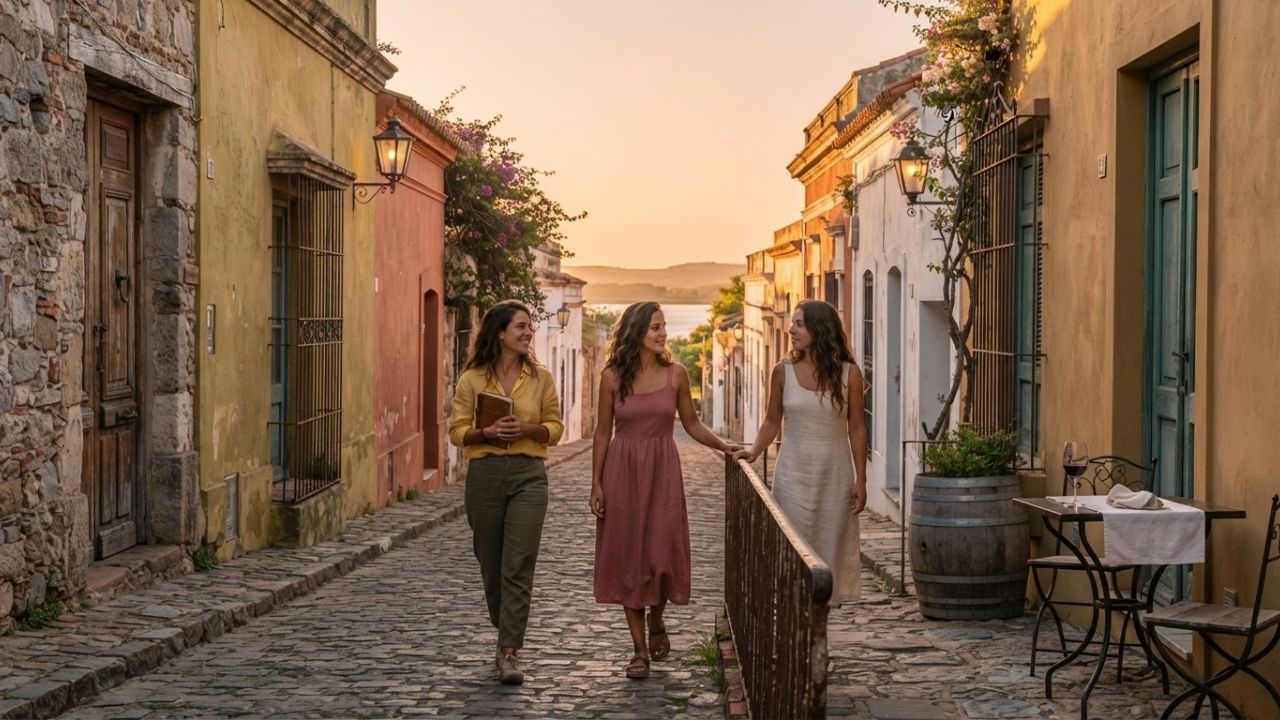
Image generated by AI
According to tourism development reports published on August 15, 2026, Uruguay is emerging as South America’s premier peaceful travel destination for visitors seeking to escape crowded mass-tourism hubs.
By focusing on high-value niche segments like eco-tourism, cultural heritage, and boutique luxury, the nation has successfully diversified its visitor profile, capturing international travelers from North America, Europe, Chile, and Paraguay. The country’s strong institutional foundation—often referred to as the "Switzerland of South America"—reassures travelers through robust public safety, political transparency, and environmental accountability. Strategic alliances with the United Arab Emirates and the integration of automated electronic visas and global eSIM solutions are further accelerating this commercial growth.
The growth of Uruguay's sustainable travel market represents a structural shift in how South American destinations manage visitor capacity. While traditional summer beach travel in cities like Punta del Este remains highly popular, new investments are expanding tourist activities across the entire calendar year. Visitors can explore the cobblestone streets of historic Colonia del Sacramento, sample full-bodied Tannat red wines at boutique vineyards, or experience authentic gaucho farm life at luxury estancias in the interior. This diversified approach helps stabilize the tourism economy through all twelve months, distributing economic benefits directly to rural communities.
Uruguay Strengthens Its Position as a Stable and Sustainable Haven
Uruguay's national reputation as a secure and politically transparent haven acts as a powerful catalyst for international business and leisure travel. In an era marked by rapid environmental change, conscious travelers prioritize destinations that demonstrate strong environmental governance. The country's strict protection of coastal wetlands, native forests, and agricultural lands attracts visitors who want their spending to support responsible conservation. To outline the key assets and travel options that define the country's modern tourism profile, the following table summarizes the primary highlights:
| Tourism Highlight | Strategic Focus & Primary Locations | Key Activities & Travel Experiences | Target Markets & Diversification |
|---|---|---|---|
| Boutique Viticulture | Regional vineyards in Canelones & Maldonado | Tannat wine tastings, farm-to-table dining | High-value travelers seeking culinary depth |
| Gaucho Eco-Estancias | Central rolling hills and rural interior | Horseback riding, open-fire asado feasts | Adventure travelers seeking heritage immersion |
| Historic Architecture | Colonia del Sacramento (UNESCO site) | Cobblestone walking tours, colonial history | Culture enthusiasts from Europe and the Americas |
| Stable Environment | National environmental protection programs | Low-impact birdwatching, wetland visits | Environmentally conscious international guests |
| Digital Connectivity | Global eSIM cellular networks | Frictionless high-speed data across 186 countries | High-net-worth business and leisure travelers |
| Strategic Trade Alliance | Commercial agreements with the UAE | Direct cross-continental travel packages | Gulf region luxury travelers seeking green environments |
Diversifying Beyond Coastal Beaches into Rural Gaucho Heritage and Tannat Wine
While coastal cities like Punta del Este draw significant summer crowds, tour operators are successfully marketing the country's interior regions to attract visitors year-round. In the historic center of Colonia del Sacramento, visitors can explore centuries-old cobblestone streets and colonial buildings that showcase meticulously preserved architectural history. This cultural appeal is complemented by the growth of high-end agritourism, allowing guests to stay at luxury estancias, participate in authentic farm activities with local gauchos, and enjoy traditional open-fire asado barbecues.
Viticulture has also emerged as a major draw, with boutique vineyards specializing in full-bodied Tannat red wines offering world-class tasting tours and farm-to-table dining. These vineyards provide an intimate alternative to large-scale commercial wine routes, allowing guests to interact directly with winemakers and learn about the unique terroir of the River Plate region. By promoting these interior cultural and agricultural experiences, Uruguay distributes visitor spending away from coastal hotspots, supporting local family farms and preserving historic rural communities.
Modern Digital Connectivity and Automated Visas Reduce Travel Friction
Modern luxury travelers place immense value on convenience and seamless access, prompting Uruguay to invest in digital travel systems that simplify entry and communication. The implementation of automated electronic visa platforms has streamlined travel administration, reducing delays for visitors from long-distance markets. This digital efficiency is supported by the adoption of global eSIM technology, which provides reliable cellular data across 186 countries, allowing visitors to access maps, manage business communications, and display digital travel documents instantly.
By eliminating the need to purchase physical local SIM cards or navigate complex international roaming agreements, these technological advancements make multi-destination travel much simpler. Long-haul travelers can transition smoothly between South America, North America, and the Middle East, maintaining continuous connectivity throughout their journeys. This modern infrastructure is critical for attracting high-net-worth individuals and digital nomads who require reliable internet access to manage their professional and personal commitments while traveling.
Strategic Economic and Tourism Alliances Connect the UAE and Uruguay
The strengthening economic alliance between the United Arab Emirates and Uruguay represents a dynamic bridge connecting two strategic trade hubs in the Middle East and South America. By establishing direct commercial links, investment pathways, and shared tourism initiatives, both nations are creating valuable opportunities for cross-continental travel. The UAE brings world-class aviation networks, financial technology, and digital infrastructure, while Uruguay provides pristine natural scenery, high-end agricultural exports, and exclusive eco-tourism destinations.
This strategic partnership serves as a practical model for cross-regional cooperation in the travel sector. Joint commercial ventures enable tour operators to design premium travel packages tailored specifically to luxury travelers from the Gulf region who seek cool, green environments, authentic cultural immersion, and safe travel conditions. As trade relations deepen, increased investment in hospitality infrastructure, digital services, and direct transportation corridors will continue to benefit both economies, proving that cross-regional cooperation drives long-term commercial prosperity.
Why This Matters (Information Gain & Experience)
For the traveler, this means that Uruguay offers a safe, low-stress, and authentic alternative to South America's crowded tourist zones. Choosing a vacation in Montevideo or the interior estancias allows you to explore historic towns and natural reserves at a slower pace, enjoying a genuine sense of tranquility and peace of mind. From a logistical standpoint, the integration of automated electronic visas and global eSIM services makes planning a multi-leg journey convenient, ensuring you remain connected to high-speed data across the country without administrative delays.
Additionally, choosing to practice sustainable travel during your stay directly supports the preservation of Uruguay's native ecosystems and rural heritage. Travelers can support the local economy by staying in family-owned estancias, hiring local guides, and purchasing handmade wool textiles directly from local cooperatives like Manos del Uruguay. Tasting regional specialties like the national chivito sandwich, enjoying slow-cooked asado beef, and sampling local Tannat red wine under the stars ensures that your spending directly benefits local agricultural communities. Respecting local customs, sharing a traditional mate herbal tea with hosts, and following environmental guidelines when exploring coastal wetlands ensures a culturally respectful and eco-friendly journey, preserving Uruguay's unique charm for future generations.
Related Travel Guides
Disclaimer
This article is for informational and educational purposes only. It does not constitute legal, financial, or professional advice. While we strive to provide accurate and up-to-date information, travel policies, regulations, and conditions change rapidly. Always verify information with official sources before making travel decisions. Nomad Lawyer makes no representations about the accuracy, reliability, completeness, or suitability of the information provided. Readers should consult qualified professionals for advice specific to their circumstances. The views expressed in this article are those of the author and do not necessarily reflect the views of Nomad Lawyer.
Raushan Kumar
Founder & Lead Developer
Full-stack developer with 11+ years of experience and a passionate traveller. Raushan built Nomad Lawyer from the ground up with a vision to create the best travel and law experience on the web.
Learn more about our team →