
United Airlines to Block Middle Seats on A321XLR Fleet, Reducing Cabin Crew Requirements
Breaking airline news and aviation industry updates for 2026.

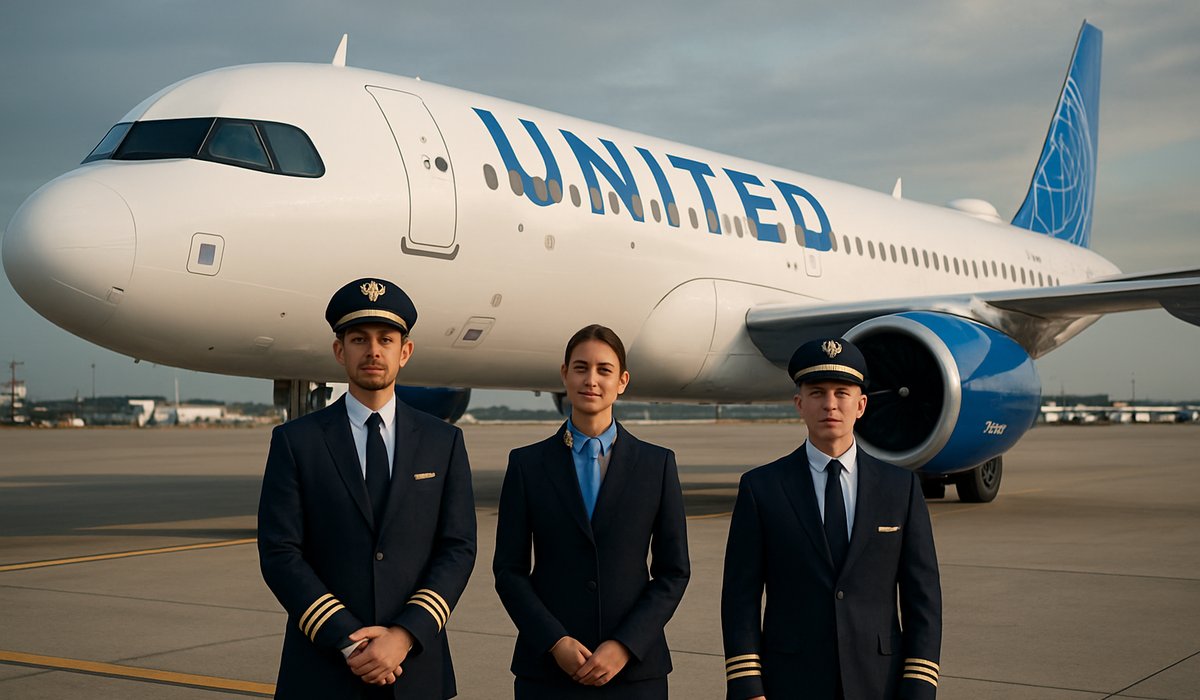
Image generated by AI
United Airlines to Block Middle Seats on A321XLR Fleet, Reducing Cabin Crew Requirements
Carrier implements controversial operational shift to manage labor costs amid fleet modernization
United Airlines is set to reconfigure its incoming Airbus A321XLR aircraft by deliberately blocking middle seats in economy class, a strategic move that will allow the carrier to operate with three flight attendants instead of four—circumventing federal staffing regulations tied to passenger capacity.
The decision, confirmed this week, marks an increasingly aggressive cost-containment strategy within the aviation industry as carriers grapple with elevated operational expenses and competitive pricing pressures. By capping effective passenger density through blocked seating, United can technically reduce its legal obligation to deploy a fourth cabin crew member on ultra-long-range flights.
Strategic Response to Staffing Mandates
Federal Aviation Administration (FAA) regulations mandate specific crew-to-passenger ratios based on aircraft capacity. United's reconfiguration exploits a regulatory loophole: by blocking middle seats in the economy cabin, the airline reduces the aircraft's available seating capacity, thereby lowering the threshold that would trigger additional flight attendant requirements.
The A321XLR represents a flagship addition to United's long-haul narrow-body fleet, capable of transatlantic and extended-range operations. The aircraft typically accommodates over 200 passengers in high-density configurations. United's modification will intentionally reduce this figure, with the middle-seat blocking effectively lowering the passenger count beneath the staffing mandate threshold.
Labor Cost Implications
The financial calculus is straightforward: eliminating one flight attendant per departure reduces per-flight labor expenses significantly across United's expanding A321XLR network. As the carrier takes delivery of dozens of these aircraft over the coming years, the cumulative savings on crew compensation, benefits, and scheduling complexity could reach hundreds of millions of dollars annually.
"This approach allows us to optimize our operational efficiency while maintaining service standards," a United spokesperson stated, emphasizing the carrier's commitment to balancing cost management with passenger experience.
However, the strategy has sparked immediate criticism from flight attendant unions, who argue the practice undermines employment opportunities and potentially compromises in-flight safety protocols through reduced crew redundancy.
Broader Industry Trend
United's move reflects wider challenges confronting the aviation sector. Post-pandemic labor shortages, inflationary pressures on fuel and maintenance costs, and intensifying competition for budget-conscious travelers have forced carriers to seek creative operational adjustments. Airlines have simultaneously expanded baggage fees, seat selection charges, and ancillary revenue streams—offloading costs to consumers while protecting profit margins.
The A321XLR reconfiguration demonstrates how carriers are leveraging regulatory frameworks and aircraft flexibility to manage unavoidable expenses like staffing without directly raising base ticket prices.
FAQ: United's A321XLR Seating Strategy
What are airline baggage fees, and how do they compare to United's seat-blocking approach? Baggage charges are direct passenger fees for checked luggage, typically $35-$45 per item. Unlike fees, United's seat-blocking is an indirect cost-reduction strategy that affects passenger comfort rather than charging separately.
How do jet fuel prices influence airline staffing decisions? Rising fuel costs squeeze profitability, incentivizing carriers to reduce all controllable expenses—including labor. Staffing optimization becomes more critical when fuel surcharges cannot be fully passed to consumers.
Why can airlines block seats to reduce crew requirements? FAA regulations tie flight attendant mandates to passenger capacity. By reducing legal seating capacity through blocked seats, carriers can technically meet lower staffing thresholds—exploiting regulatory loopholes.
What is the A321XLR, and why does United prioritize it? The A321XLR is Airbus's latest narrow-body long-range aircraft, enabling transatlantic operations with superior economics versus wide-body jets. Airlines favor it for cost-per-seat advantages on international routes.
How will this affect travel costs and passenger experience? While base fares may remain stable, reduced seating increases per-seat revenue and reduces crew flexibility, potentially impacting service quality during irregular operations or emergencies.
Related Travel Guides
-
Routes British Airways: 10 Underperforming US Corridors Below 70% Capacity
-
Pilot Shortage Still Real in 2026: What Airlines Are Actually Doing
External Resources
Disclaimer
This article is for informational and educational purposes only. It does not constitute legal, financial, or professional advice. While we strive to provide accurate and up-to-date information, travel policies, regulations, and conditions change rapidly. Always verify information with official sources before making travel decisions. Nomad Lawyer makes no representations about the accuracy, reliability, completeness, or suitability of the information provided. Readers should consult qualified professionals for advice specific to their circumstances. The views expressed in this article are those of the author and do not necessarily reflect the views of Nomad Lawyer.
Preeti Gunjan
Contributor & Community Manager
A passionate traveller and community builder. Preeti helps grow the Nomad Lawyer community, fostering engagement and bringing the reader experience to life.
Learn more about our team →