
United Airlines Increases Checked Bag Fees: What Passengers Will Pay in 2024
Breaking airline news and aviation industry updates for 2026.

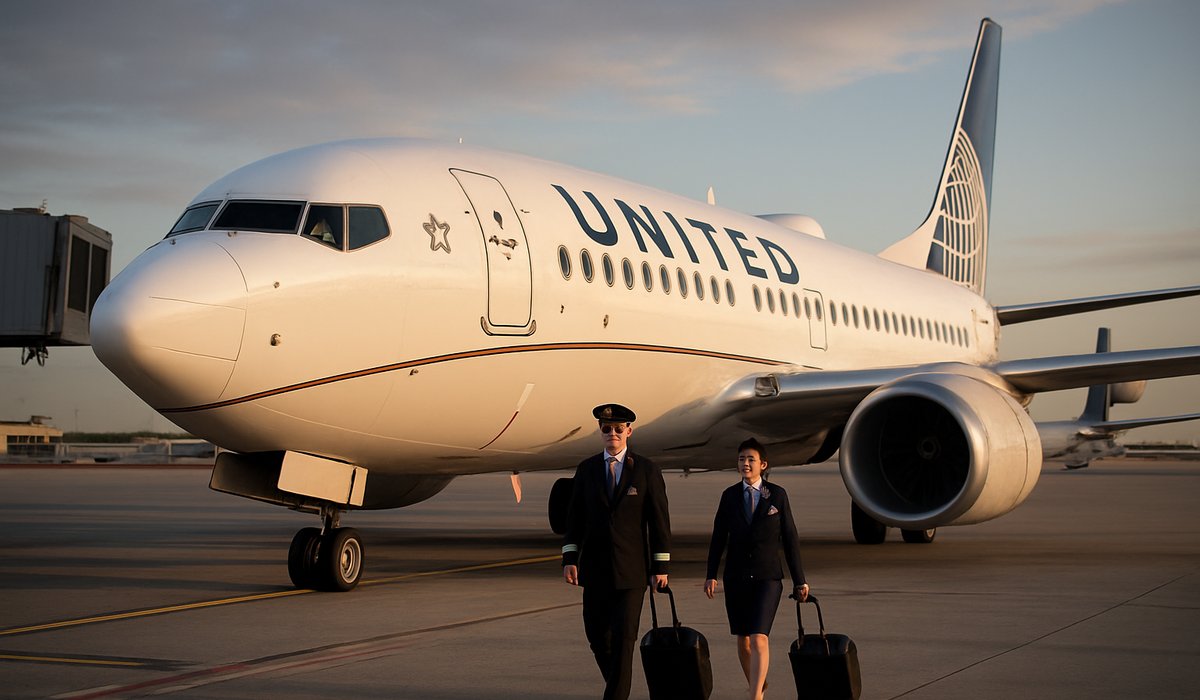
Image generated by AI
United Airlines Increases Checked Bag Fees: What Passengers Will Pay in 2024
What Happened
United Airlines has announced a significant increase to its checked baggage fees, marking one of the airline industry's largest price hikes in recent years. The new fees take effect immediately for most routes, with the first checked bag now costing more than the previous standard rate. This move comes as major carriers continue to find new revenue streams amid rising operational costs.
Key Details
United's first checked bag fee is increasing from $35 to $40 for most domestic flights, while second checked bags will jump from $45 to $50. The increases apply to economy passengers on all domestic routes, with international flights seeing proportional increases in local currencies.
The airline is also raising premium cabin fees for checked bags. Business and first-class passengers, typically receiving complimentary checked baggage, will see changes to their baggage policies on select routes. Connecting flights and multi-leg journeys will incur fees per segment for some ticket types.
The fee increases affect all United booking channels—direct reservations, third-party travel sites, and corporate travel programs—with no exceptions for loyalty program members at standard membership levels. MileagePlus Premier members and customers with premium credit cards may retain waived checked bag benefits depending on tier status.
Passenger Impact
This fee increase will directly impact approximately 150 million annual United passengers, with the heaviest burden falling on leisure travelers and families taking multiple trips per year. A family of four flying cross-country with checked luggage could see baggage costs exceed $320 annually if they fly four round trips.
Budget-conscious travelers now face difficult choices: pay higher baggage fees, pack lighter with carry-on only, or switch to competing airlines with lower or waived baggage policies. Business travelers on corporate accounts may experience neutral impact if their companies absorb costs, but personal leisure trips will feel more expensive.
Passengers flying basic economy fares—already restricted on carry-on items—effectively face mandatory checked bag fees with no workaround, making United's lowest fares significantly less competitive against budget carriers like Southwest and low-cost competitors.
Airline Statement
United Airlines stated the fee increase reflects "investments in customer experience, operational improvements, and enhanced service standards." The airline emphasized that revenue from baggage fees funds airport infrastructure improvements, customer service enhancements, and fleet modernization initiatives.
A United spokesperson noted: "This adjustment aligns our fees with industry standards and ensures we can continue delivering reliable service and competitive routes to destinations competitors have abandoned." The airline stopped short of committing to fee freezes or rollbacks based on demand or operational changes.
Why This Matters
The checked bag fee increase signals growing airline industry reliance on ancillary revenue. Over the past 15 years, major carriers have generated over $40 billion collectively from baggage, seat selection, and change fees—now exceeding some airlines' aircraft maintenance budgets.
This trend reflects airlines' struggle with fuel costs, labor agreements, and post-pandemic recovery demands. Unlike ticket prices, which face intense competitive pressure and customer scrutiny, ancillary fees increase less visibly and generate predictable revenue. However, they also erode customer loyalty and shift perception of base fares as artificially cheap.
The move may trigger a ripple effect: American Airlines, Delta, and Southwest will likely match or follow with their own increases within 60 days, historically the pattern in industry pricing. For consumers, this means checked baggage may soon cost $40-$45 across all legacy carriers, effectively raising true airfare costs invisibly.
What Travelers Should Do
Evaluate your travel style immediately. If you fly multiple times annually with checked luggage, calculate annual baggage costs and compare total trip expenses against competing airlines. Southwest's free checked baggage policy and low-cost carriers' transparent pricing may now offer better value.
Maximize loyalty benefits. Review your MileagePlus membership status and elite benefits. Upgrading to Silver or higher status may waive checked bag fees, offsetting the fee increase across multiple trips. Evaluate United's credit card options; premium cards offer complimentary baggage benefits that can pay for themselves after one or two trips.
Pack strategically. Consolidate into single checked bags where possible. Ditching checked luggage for carry-on-only travel eliminates fees entirely—a realistic option for 40% of leisure trips.
Book directly through airline sites. Some third-party booking platforms grandfather older pricing; United's direct channels apply new fees universally and immediately.
Monitor competitor pricing. Set Google Alerts for competitor fee announcements. If Delta or American hold steady, switching airlines may become strategic for frequent travelers until industry parity stabilizes prices.
Frequently Asked Questions
When does the United baggage fee increase take effect? The new fees are effective immediately for all new bookings and existing reservations made after the announcement date. Tickets purchased before the announcement date may retain old pricing depending on ticket type and booking terms.
Do United elite frequent flyer members avoid the fee increase? MileagePlus Premier members at Silver and higher tiers retain complimentary first checked bag benefits. Standard members and non-elite passengers pay the new $40 fee. Premium credit card holders also receive waived first-bag fees as a cardholder benefit.
How do United's new fees compare to competitors? After recent increases, American Airlines, Delta, and Southwest have varying checked bag policies. Southwest continues offering two free checked bags, while American and Delta recently matched or exceeded United's $40 first-bag fee. Budget carriers like Frontier and Spirit charge $35-$40 but with smaller baggage allowances.
Can I avoid checked bag fees by only using carry-on luggage? Yes, if your travel permits carry-on only. However, United's basic economy fares restrict carry-on items, making checked bags mandatory for many passengers. Purchasing a standard economy ticket includes carry-on privileges and avoids baggage fee traps.
Will United freeze or reverse these fees? United historically maintains fee increases indefinitely once implemented. Fee rollbacks occur only during extreme competitive pressure or demand crises. Long-term customer resistance rarely reverses airline pricing decisions, though switching airlines remains the most effective consumer response.
Related Travel Guides
Flight Delay Compensation Guide 2026
Understanding Airline Route Changes
Airport Security Process Updated (2026)
External Resources
Disclaimer
This article is for informational and educational purposes only. It does not constitute legal, financial, or professional advice. While we strive to provide accurate and up-to-date information, travel policies, regulations, and conditions change rapidly. Always verify information with official sources before making travel decisions. Nomad Lawyer makes no representations about the accuracy, reliability, completeness, or suitability of the information provided. Readers should consult qualified professionals for advice specific to their circumstances. The views expressed in this article are those of the author and do not necessarily reflect the views of Nomad Lawyer.
Raushan Kumar
Founder & Lead Developer
Full-stack developer with 11+ years of experience and a passionate traveller. Raushan built Nomad Lawyer from the ground up with a vision to create the best travel and law experience on the web.
Learn more about our team →