
United Airlines' Extended Boeing 767 Network Spans Up to 11 Hours as Legacy Fleet Proves Vital to Long-Haul Operations
Breaking airline news and aviation industry updates for 2026.

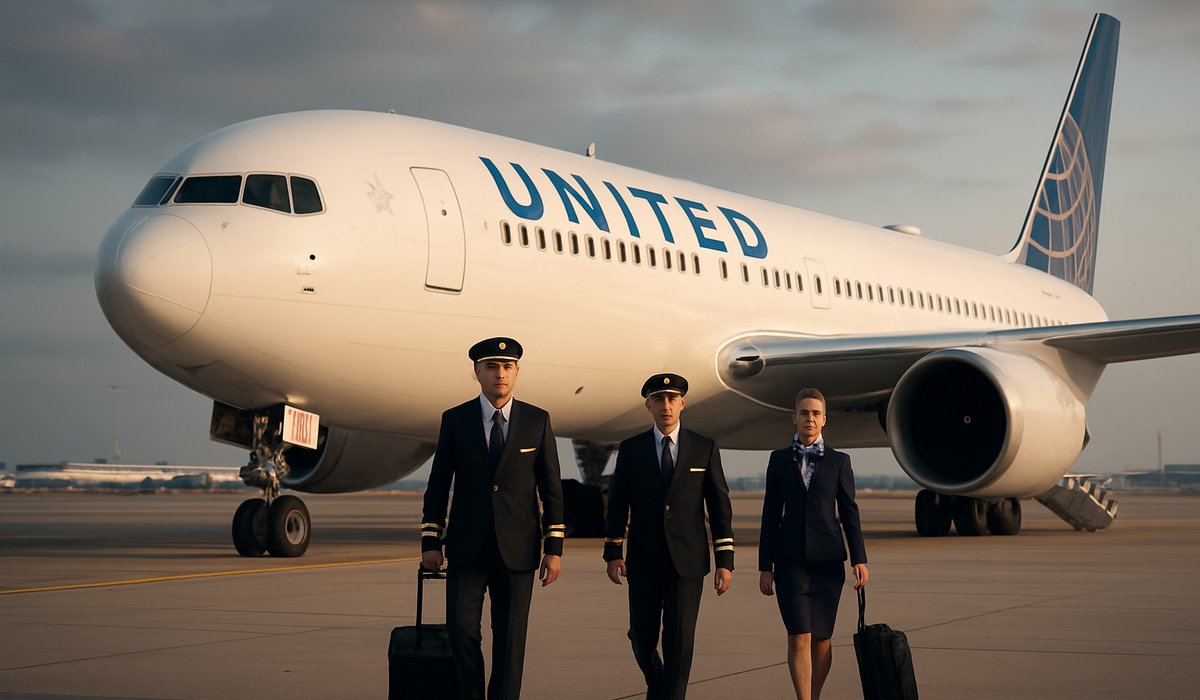
Image generated by AI
United Airlines' Extended Boeing 767 Network Spans Up to 11 Hours as Legacy Fleet Proves Vital to Long-Haul Operations
Chicago carrier maintains one of aviation's largest widebody fleets with aging but strategically important aircraft
Fleet Composition Reveals Substantial Long-Range Capacity
United Airlines continues to rely heavily on its Boeing 767 fleet to sustain intercontinental and extended domestic operations, according to latest aviation data. The Star Alliance founding member currently operates 53 widebody aircraft from the 767 family, comprising 37 767-300ER variants and 16 newer 767-400ER models, positioning the Chicago-based carrier among the global operators with the most significant deployed fleets of this aircraft type.
Despite their maturity in service, these aircraft demonstrate the staying power of well-maintained widebody platforms in the competitive aviation landscape. The 767-300ER examples average 30.2 years in service, while the 767-400ER cohort averages 24.6 years—underscoring how legacy equipment continues generating revenue for major carriers navigating volatile fuel markets and shifting travel demand patterns.
Strategic Role in United's Route Network
The extended range capabilities of United's 767 fleet enable flight operations exceeding 11 hours, allowing the carrier to maintain profitable long-haul connections that might otherwise require larger, fuel-intensive aircraft. This operational flexibility proves particularly valuable as airlines balance rising jet fuel prices against yield management concerns and evolving baggage fee structures that contribute to airline revenue diversification.
For United, maintaining this substantial widebody presence reflects broader industry trends where established carriers preserve older but efficient aircraft rather than undertaking wholesale fleet modernization. The 767's twin-engine configuration and proven reliability make it economically viable for routes where larger four-engine aircraft would consume excessive fuel surcharges, ultimately translating to higher ticket prices and baggage charges for consumers.
Implications for the Global Aviation Sector
The sustained deployment of aging widebody aircraft across major carriers signals market realities that extend beyond United's operational decisions. With geopolitical tensions affecting fuel costs and supply chain disruptions impacting aircraft delivery schedules, legacy carriers increasingly maximize existing assets rather than retire them prematurely.
United's extensive 767 operations underscore how the aviation industry adapts to economic pressures. Rather than accelerating retirements—which would concentrate costs into specific fiscal quarters—major carriers strategically phase out aging stock while extracting remaining productive life from established platforms.
This approach enables airlines to manage aviation industry volatility while maintaining route networks that sustain employment, connect global markets, and support the travel economics that underpin both leisure and business sectors worldwide.
Frequently Asked Questions
What are typical airline baggage fees on United's long-haul Boeing 767 flights? United's baggage policies vary by subscription tier and frequent flyer status, with economy passengers typically paying $35-$40 for first checked bags on long-haul routes, though premium cabin and elite members receive complimentary allowances.
How do jet fuel prices affect ticket pricing on extended flights like United's 11-hour routes? Rising jet fuel costs directly influence airline ticket pricing through fuel surcharges, which carriers build into base fares. Extended 11-hour flights consume significantly more fuel, making these routes particularly sensitive to petroleum market volatility.
Why do airlines continue operating 30-year-old aircraft instead of purchasing new planes? Aircraft acquisition costs exceed $150-300 million per widebody jet, making it economically prudent for airlines to maintain well-maintained legacy aircraft when replacement would require substantial capital expenditure and deliver marginal efficiency gains.
How does the Boeing 767's fuel efficiency compare to modern widebody aircraft? While newer aircraft like the Boeing 787 offer 20-25% better fuel economy, the 767 remains cost-effective for many routes, and the massive capital investment in new aircraft must be amortized over 20+ years, making legacy fleet maintenance competitive.
What routes does United operate its longest Boeing 767 flights on? United deploys 767 aircraft on transatlantic, transpacific, and extended domestic routes where payload and range requirements justify widebody operations but don't necessitate larger aircraft like the 777 or A350.
Related Travel Guides
Flight Delay Compensation Guide 2026
Understanding Airline Route Changes
Airport Security Process Updated (2026)
External Resources
Disclaimer
This article is for informational and educational purposes only. It does not constitute legal, financial, or professional advice. While we strive to provide accurate and up-to-date information, travel policies, regulations, and conditions change rapidly. Always verify information with official sources before making travel decisions. Nomad Lawyer makes no representations about the accuracy, reliability, completeness, or suitability of the information provided. Readers should consult qualified professionals for advice specific to their circumstances. The views expressed in this article are those of the author and do not necessarily reflect the views of Nomad Lawyer.
Preeti Gunjan
Contributor & Community Manager
A passionate traveller and community builder. Preeti helps grow the Nomad Lawyer community, fostering engagement and bringing the reader experience to life.
Learn more about our team →