
United Airlines Flight UA1643 from Chicago to Orlando Diverts to Jacksonville International Airport on July 31 2026: Full Operational Breakdown and Traveler Guide
United Airlines Flight UA1643, an Airbus A321neo operating from Chicago O'Hare to Orlando, diverted to Jacksonville International Airport on July 31, 2026, landing safely at Gate 43.

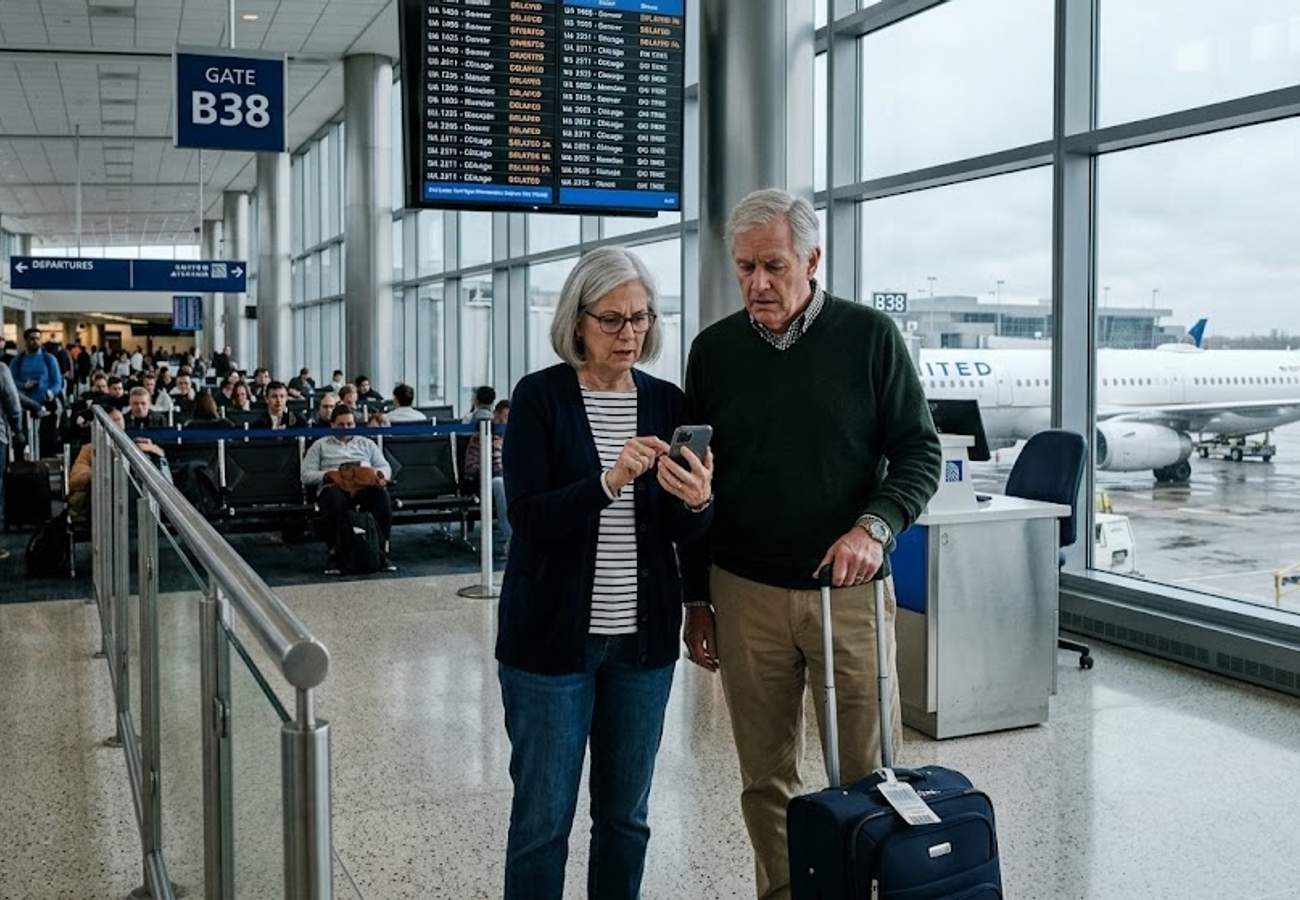
Image generated by AI
United Airlines Flight UA1643, an Airbus A321neo registered as N14549, departed Chicago O'Hare on July 31, 2026, bound for Orlando but landed instead at Jacksonville International Airport following an unexpected route change. The aircraft touched down at Gate 43 approximately 28 minutes behind schedule, with all passengers safely accommodated.
The Core Transit Update
United Airlines Flight UA1643, also identified in aviation tracking systems as UAL1643, was scheduled to operate a routine domestic service from Chicago O'Hare International Airport (ORD) in Illinois to Orlando International Airport (MCO) in Florida on Friday, 31 July 2026. The flight departed from Gate C15 at Chicago O'Hare at approximately 9:12 AM CDT using an Airbus A321neo aircraft registered as N14549.
During the journey, the aircraft did not continue toward its scheduled destination in Orlando. Instead, the flight crew executed a diversion to Jacksonville International Airport (JAX). The Airbus A321neo landed safely at Gate 43 in Jacksonville at approximately 1:41 PM EDT, arriving around 28 minutes later than the expected schedule while completing the diversion without incident.
United Airlines has not publicly disclosed the exact reason for the diversion. In commercial aviation, diversions can result from several operational factors: adverse weather developments along the route, technical assessments requiring ground inspection, medical situations involving passengers or crew, airport surface conditions at the destination, air traffic control limitations, or other safety-related considerations. Flight crews make diversion decisions after evaluating available real-time information and selecting the most suitable airport for the aircraft and those on board.
Transit Schedule and Route Specifications
| Parameter | Detail |
|---|---|
| Flight Number | UA1643 / UAL1643 |
| Carrier | United Airlines |
| Aircraft Type | Airbus A321neo |
| Aircraft Registration | N14549 |
| Origin Airport | Chicago O'Hare International Airport (ORD) |
| Origin Gate | C15 |
| Scheduled Destination | Orlando International Airport (MCO) |
| Diversion Airport | Jacksonville International Airport (JAX) |
| Diversion Gate | 43 |
| Departure Date | Friday, 31 July 2026 |
| Departure Time | Approximately 9:12 AM CDT |
| Diversion Landing Time | Approximately 1:41 PM EDT |
| Schedule Deviation | Approximately 28 minutes later than expected |
Why Jacksonville International Airport Was Selected
Jacksonville International Airport serves as a practical alternative landing site for flights operating across the southeastern United States. The facility maintains runway infrastructure, aircraft handling capabilities, and passenger services that allow airlines to manage diverted operations without significant disruption to airport flow. For flights originally scheduled to arrive in Orlando, Jacksonville offers a geographically proximate option when circumstances require an aircraft to land at a different location.
Airlines evaluate several factors when selecting diversion airports: aircraft compatibility with available runways and taxiways, operational support services including fueling and maintenance, current weather conditions at the alternate field, and passenger management capabilities such as gate availability and terminal capacity. Jacksonville International Airport met these criteria for Flight UA1643 on 31 July 2026.
Aircraft Profile: Airbus A321neo Registration N14549
The Airbus A321neo is a modern narrow-body aircraft widely deployed by airlines for domestic and medium-distance routes. United Airlines operates the A321neo across several high-demand city connections within the United States, leveraging the type's fuel efficiency, passenger capacity, and advanced operating systems. The aircraft involved in this diversion completed its landing at Jacksonville International Airport safely, reflecting the operational reliability of the airframe and the preparedness of flight crews to manage unexpected schedule changes during routine services.
Traveler Logistics Guide: Navigating a Flight Diversion
From a ground-level perspective, the best way to navigate a mid-flight diversion is to act quickly and methodically once the aircraft lands at the alternate airport. Passengers on Flight UA1643 who had scheduled airport transfers, connecting flights, or holiday arrangements in Orlando faced immediate disruption to their onward plans. Here is how travelers should respond when caught in a similar situation:
1. Check the airline app immediately. United Airlines pushes real-time updates through its mobile application, including rebooking options and revised arrival information. Passengers should confirm whether the airline has automatically rebooked them on a connecting flight to the original destination or arranged ground transportation.
2. Speak with gate agents before leaving the aircraft area. Gate agents at the diversion airport often have the most current information about replacement flights, bus transfers, or hotel accommodations if an overnight stay becomes necessary. Queuing at the gate rather than heading straight to baggage claim can save significant time.
3. Understand your compensation rights. Under United States Department of Transportation regulations, airlines are not required to compensate passengers for weather-related diversions, but they must provide updates and assistance. If the diversion results from a mechanical or airline-operational issue, passengers may be entitled to meal vouchers, hotel accommodations, or rebooking at no additional cost. Travelers should document all expenses and retain receipts.
4. Manage connecting flights proactively. If a diversion causes a missed connection, the airline's automated rebooking system typically assigns the next available flight. However, passengers should verify this manually and call the airline's customer service line if the automated option is unsuitable. Having the airline's reservation line saved offline is a practical safeguard.
5. Review travel insurance coverage. Comprehensive travel insurance policies often cover additional expenses arising from flight diversions, including hotel stays, meals, and alternative transportation. Passengers should photograph all receipts and file claims within the timeframe specified by their policy provider.
6. Monitor digital transit policies. For travelers using programs like TSA PreCheck or the FAA's digital identity verification pilots at select airports, diversion to an unexpected airport may mean re-clearing security under different procedures. Jacksonville International Airport participates in standard TSA screening, so passengers re-boarding a connecting flight should allow adequate time for security processing.
Infrastructure Impact Assessment
The diversion of Flight UA1643 illustrates the flexibility built into the United States aviation network. When a scheduled route cannot be completed as planned, the system relies on a network of certified alternate airports equipped to receive diverted aircraft. Jacksonville International Airport's role in this event demonstrates the importance of maintaining robust secondary airport infrastructure along high-traffic corridors such as the Chicago-to-Florida route.
For regional tourism, diversions can have secondary effects. Passengers diverted to Jacksonville instead of Orlando may face delays reaching theme parks, cruise terminals at Port Canaveral, or scheduled resort check-ins. Airlines typically coordinate with ground operators to minimize these impacts, but travelers should communicate directly with hotels, cruise lines, and tour operators to adjust arrival times and avoid cancellation penalties.
The event also highlights the operational role of the Airbus A321neo in United's domestic fleet. The aircraft's range and reliability make it a workhorse for transcontinental domestic routes, and its ability to operate into airports like Jacksonville without special ground equipment ensures that diversions can be managed efficiently.
When a flight changes course mid-air, preparation and quick communication determine how smoothly the rest of your journey unfolds.
Related Travel Guides
Disclaimer
This article is for informational and educational purposes only. It does not constitute legal, financial, or professional advice. While we strive to provide accurate and up-to-date information, travel policies, regulations, and conditions change rapidly. Always verify information with official sources before making travel decisions. Nomad Lawyer makes no representations about the accuracy, reliability, completeness, or suitability of the information provided. Readers should consult qualified professionals for advice specific to their circumstances. The views expressed in this article are those of the author and do not necessarily reflect the views of Nomad Lawyer.
Raushan Kumar
Founder & Lead Developer
Full-stack developer with 11+ years of experience and a passionate traveller. Raushan built Nomad Lawyer from the ground up with a vision to create the best travel and law experience on the web.
Learn more about our team →