
United Airlines Grants Off-Duty Flight Attendants Crew Bunk Access on Jumpseats August 2026
United Airlines grants off-duty flight attendants access to crew bunks on long-haul flights starting August 1, 2026, aligning policies with Delta and Southwest.

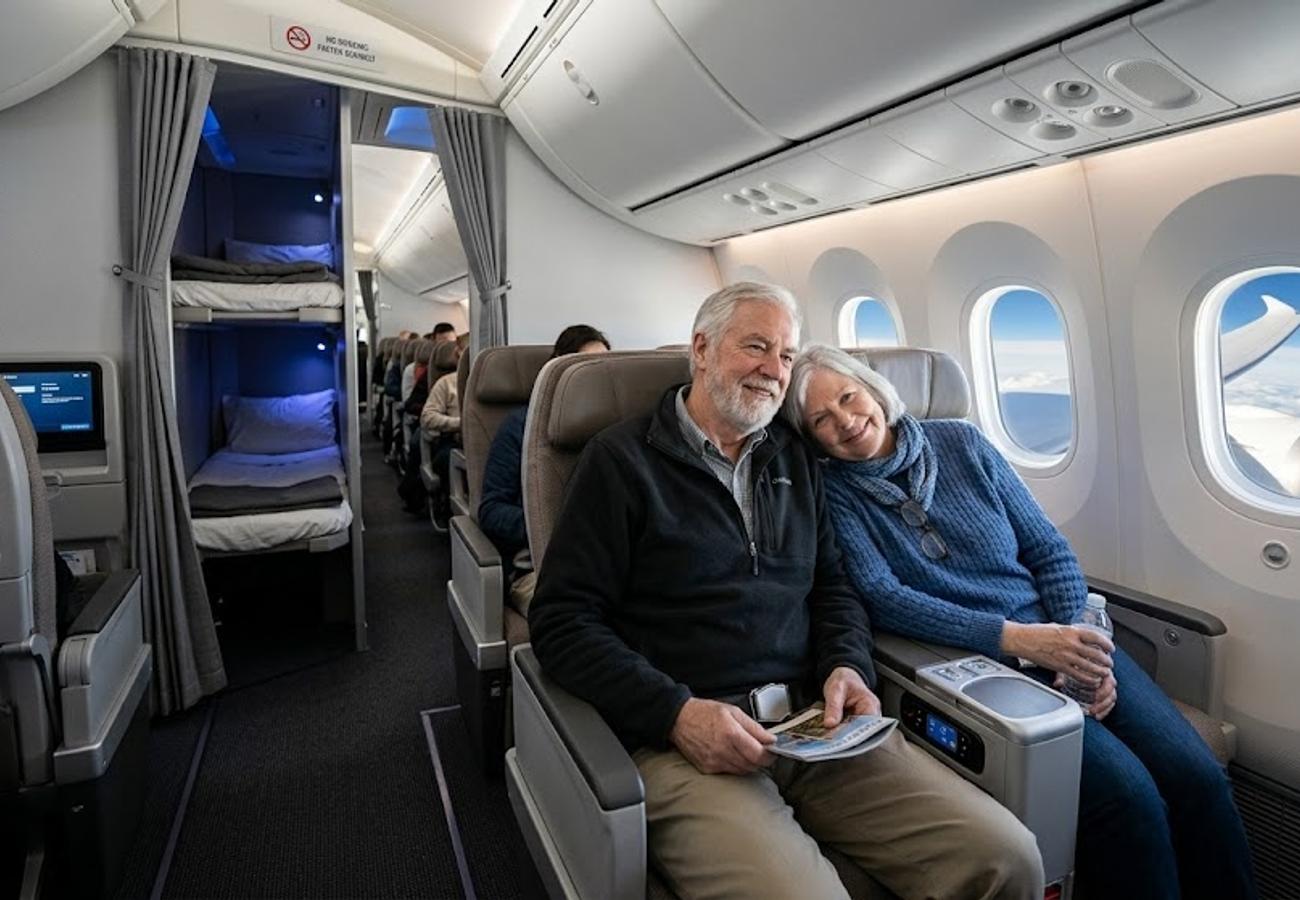
Image generated by AI
United Airlines is overhauling its crew rest protocol starting August 1, 2026, allowing off-duty flight attendants occupying jumpseats to access empty crew bunks on long-haul flights. This policy shift aligns the Chicago-based carrier with industry peers and aims to improve crew morale on extended routes.
Policy Change Details
United Airlines has officially revised its internal regulations regarding non-working flight attendants. As of August 1, 2026, off-duty flight attendants traveling on an employee pass and seated in a jumpseat will be permitted to use available crew bunk or crew rest seats during longer flights. A jumpseat is a foldable or retractable auxiliary seat in an aircraft, primarily used by crew members, inspectors, or traveling personnel. These seats are typically located near the cockpit or at exit rows, offering minimal padding and restricted legroom.
This adjustment addresses a long-standing issue where empty beds remained unused while traveling crew members endured overnight flights on metal jumpseats. The Association of Flight Attendants (AFA) worked to finalize the policy to ensure fairness across the board. The implementation provides a significant morale boost for crew members, particularly those facing 8-hour-plus flights. Previously, the rigid policy meant that even if a crew rest area was entirely vacant, a deadheading flight attendant could not utilize it for sleep, leading to fatigue upon arrival at their next duty station.
The new benefit comes at no extra cost to the flight attendants. However, the policy does come with specific restrictions. A crew bunk seat is not always guaranteed, and access is heavily regulated by the union to ensure working crew members have the facilities they need to perform their duties safely.
Flight & Aircraft Impact Breakdown
The new policy applies specifically to long-haul operations where crew bunks are installed. Flight tracking systems show these are typically utilized on transpacific and transatlantic routes, where flight times regularly exceed the 8-hour threshold. The rules governing the use of these bunks are strictly regulated by aircraft type and operational parameters to maintain safety standards.
- Aircraft Specifics: Bunks can only be used at certain altitudes to ensure passenger safety in case of sudden decompression. On Boeing 787 Dreamliners, the altitude must be at least 15,000 feet before a resting crew member can access the bunk. On Boeing 777s, the threshold is higher, requiring a minimum altitude of 25,000 feet.
- Landing Restrictions: The bunk cannot be used within 45 minutes prior to landing. This ensures the off-duty flight attendant is secured in the jumpseat for the critical phases of flight, specifically descent and landing.
- Priority Rules: Working United Airlines crew members always retain priority over the crew bunk seats. The on-duty crew must be given the opportunity to rest during their designated break periods.
- Availability: Access is entirely dependent on seniority and space availability. There is no guarantee a traveling flight attendant will receive a bunk, and they must verify with the airline that a seat is available.
- Eligibility: Only United Airlines flight attendants are permitted to use the bunks. Non-rev passengers cannot select a bunk seat, and employees of other airlines cannot choose a bunk. Only one person is allowed per bunk at any given time.
Passenger Rights & Advisory
For the affected passenger, this internal crew policy change has indirect but notable implications for flight safety and operational reliability. Fatigue is a primary factor in aviation safety incidents. By ensuring that deadheading crew members are properly rested, United Airlines mitigates the risk of fatigue-related errors when those crew members report for duty on their next assigned flight. A well-rested crew is a critical component of passenger safety.
Our analysis of the policy suggests that passengers should be aware of how crew rest requirements impact their own travel rights. Under the U.S. Department of Transportation (DOT) guidelines, airlines must adhere strictly to crew duty time limitations. If a flight is delayed or canceled because a crew member is out of legal flying hours due to inadequate rest facilities, passengers are entitled to specific compensations and accommodations.
While the DOT does not mandate cash compensation for domestic delays, United Airlines' own Contract of Carriage dictates provisions for delays caused by crew scheduling issues. For international flights, if a delay originating from crew rest issues results in an overnight stay, the airline is responsible for providing hotel accommodations and meal vouchers. If you are flying from the European Union on a United Airlines flight, EU261/2004 regulations may apply, potentially entitling you to up to €600 in compensation for delays exceeding three hours, provided the delay was within the airline's control.
Passengers should always check their flight status via systems like FlightAware and retain receipts for any expenses incurred during crew-related disruptions. If you are denied boarding due to a crew member taking your seat (a practice known as deadheading where crew are moved for operational needs), you are entitled to denied boarding compensation under DOT rules, which can range up to 200% of your one-way fare.
Industry Analyst View
The adjustment from United Airlines brings it in line with existing practices at other major U.S. carriers. Delta Air Lines has reportedly offered a similar benefit to its flight attendants for years. The move corrects a notable deficiency in United's previous protocol, which left functional rest areas empty while crew members sat on uncomfortable jumpseats. This is particularly valuable on domestic transcontinental flights where on-duty flight attendants do not receive a break to sleep in the crew rest area, leaving the space entirely vacant.
The broader industry is seeing a shift in jumpseat policies. Recently, Southwest Airlines reversed its flight attendant-only jumpseat policy, allowing all Southwest employees to access the seats. The Aircraft Mechanics Fraternal Association (AMFA) 18 union championed this change, arguing it was a major victory for non-rev customers. However, the Transport Workers Union (TWU) 556 had cautioned against it. TWU 556 argued that untrained personnel in jumpseats could distract flight attendants and pose safety risks. The union emphasized that flight attendants are aviation’s first responders, trained and recurrently qualified in emergency procedures, evacuations, and cabin safety.
United's targeted approach—restricting bunk access solely to trained flight attendants—avoids the safety concerns raised by TWU 556 at Southwest. It acknowledges the specialized training of flight attendants while maximizing the utility of onboard rest infrastructure. This policy update is a pragmatic step that enhances crew welfare without compromising cabin safety protocols. The recent changes across major carriers indicate a positive trend for flight attendants, adding perks that make flying less stressful for the crew members who maintain safety standards on long-haul operations.
Aviation safety relies heavily on crew alertness, and policy adjustments that prioritize rest are a win for both industry professionals and the traveling public.
Related Travel Guides
Disclaimer
This article is for informational and educational purposes only. It does not constitute legal, financial, or professional advice. While we strive to provide accurate and up-to-date information, travel policies, regulations, and conditions change rapidly. Always verify information with official sources before making travel decisions. Nomad Lawyer makes no representations about the accuracy, reliability, completeness, or suitability of the information provided. Readers should consult qualified professionals for advice specific to their circumstances. The views expressed in this article are those of the author and do not necessarily reflect the views of Nomad Lawyer.
Kunal K Choudhary
Co-Founder & Contributor
A passionate traveller and tech enthusiast. Kunal contributes to the vision and growth of Nomad Lawyer, bringing fresh perspectives and driving the community forward.
Learn more about our team →