
Unannounced Kasara Block: Central Railway's Communication Failure in May 2026
An unannounced service block on Central Railway's Kasara corridor in May 2026 stranded thousands of commuters without warning during peak summer heat, exposing critical gaps in Mumbai suburban communication systems.

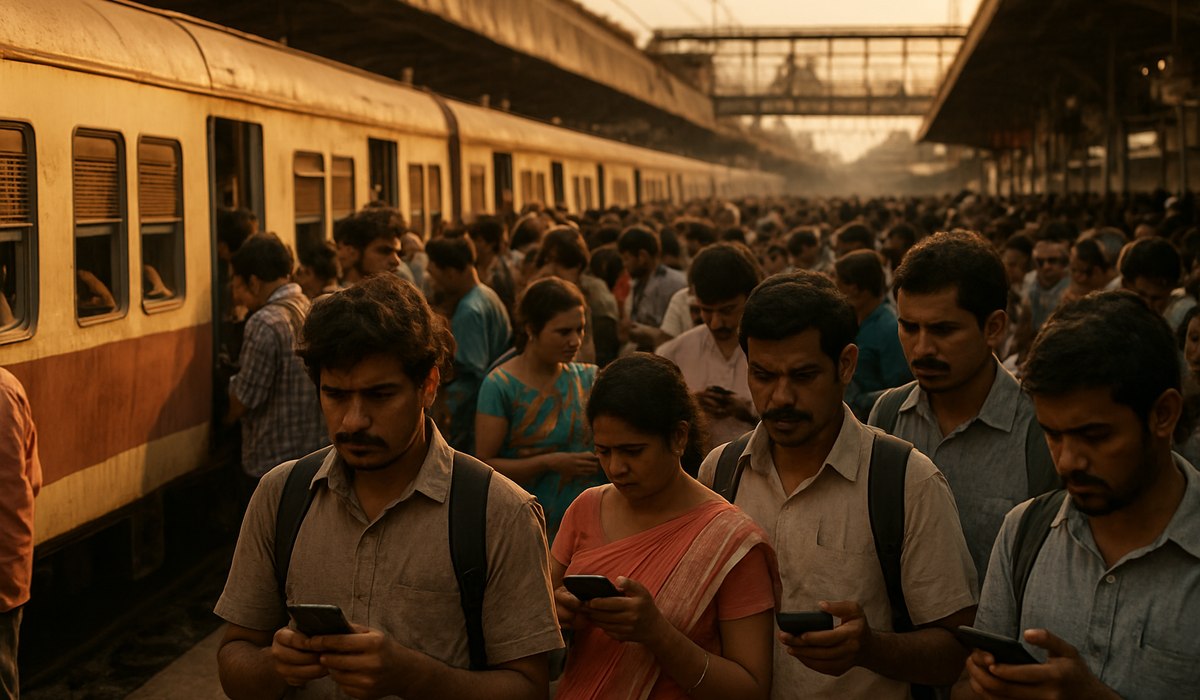
Image generated by AI
Sudden Halt on Mumbai's Vital Suburban Lifeline
Central Railway's Kasara corridor experienced an unannounced service block on May 8, 2026, leaving thousands of commuters stranded without prior notification during intense afternoon heat. The Kalyan-Kasara segment ranks among Mumbai's busiest suburban stretches, transporting office workers, students, and long-distance passengers between the metropolitan core and rapidly growing towns beyond Thane. When trains were abruptly halted near Kasara without public advance notice, services backed up across the entire line, and platforms rapidly filled with increasingly frustrated passengers.
The disruption stemmed from ongoing capacity enhancement and track works in the Kasara area, including non-interlocking activities and yard remodeling in support of new infrastructure projects. While such maintenance activities are planned weeks in advance, passengers traveling that day reported receiving little to no forewarning that trains would be held for extended periods. The sudden stoppage significantly impacted the outer end of Mumbai's central suburban spine, where limited alternative public transport options magnified the service block's cascading effects.
Why the Block Went Unannounced
Railway operations typically require periodic service blocks for maintenance, infrastructure upgrades, and safety improvements. The unannounced Kasara block represented a significant departure from standard communication protocols that usually accompany such disruptions. Railway observers note that the Central line frequently experiences operational blocks for third-line projects, power upgrades, and signaling works, yet most are normally announced through updated timetables, social media announcements, and station notices well in advance.
The failure to communicate this particular unannounced Kasara block created a ripple effect across the network. Passengers relied instead on word-of-mouth information, unofficial messaging groups, and media updates rather than official operator announcements. Electronic indicators at some stations continued displaying scheduled departure times even as trains remained frozen beyond Kasara, generating widespread confusion about whether to wait on platforms or seek alternate transportation routes. This communication gap exposed systemic vulnerabilities in how Central Railway disseminates critical operational information during unexpected disruptions.
According to published railway circulars for other recent blocks in the region, advance notices typically specify exact timings, affected train numbers, and alternative arrangements such as short terminations and rescheduling. The absence of such clear guidance during the unannounced Kasara block left commuters without actionable information during a weather emergency.
Commuters Left in Extreme Conditions
Accounts from affected travelers paint a stark picture of deteriorating conditions as the service block extended throughout the afternoon. Packed coaches halted between stations, with crowds spilling onto platforms at smaller stops beyond Kalyan as services held around the Kasara ghat section. With fans and air circulation limited inside stationary trains, passengers reported stifling, unsafe conditions within compartments as temperatures climbed steadily.
At intermediate stations, shade proved scarce, and waiting areas designed for fast-moving local services could not accommodate prolonged halts. Many travelers resorted to standing near stairwells and under foot overbridges in desperate search of sun relief while awaiting service resumption updates. Health and safety advocates have long highlighted the serious risks posed by prolonged exposure to high temperatures on crowded platforms and in static rail coaches during peak summer months.
The disruption cascaded across connected journeys, affecting office workers returning from Mumbai and long-distance passengers attempting to connect with outstation trains further down the route. Missed connections, extended road-based journeys, and unexpected expenses on private taxis and shared vehicles were widely reported in the hours following the block. Commuters with time-sensitive appointments faced severe disruptions to their schedules, compounding frustration over the lack of advance warning.
Communication Gaps Raise Systemic Questions
The unannounced Kasara block incident catalyzed broader debate about Central Railway's approach to passenger communication during operational disruptions. Advocacy groups focused on Mumbai's rail commuters argue that real-time transparency becomes increasingly critical as infrastructure works intensify across the suburban network. They contend that even unavoidable emergency or safety-related blocks can be managed more smoothly when passengers receive prompt, consistent, and location-specific updates.
Social media posts from Central line passengers have consistently flagged delayed or unclear announcements during disruptions, with commuters citing instances where cancellations or short terminations were confirmed only minutes before scheduled departures. The May 2026 incident represented the latest example of perceived communication failure between operational planning and on-the-ground passenger information dissemination.
Railway authorities face mounting pressure to implement enhanced notification systems, including automated SMS alerts, real-time mobile app updates, and coordinated social media announcements that reach commuters before service disruptions occur. Current systems appear inadequate for managing passenger expectations and safety during infrastructure work periods, particularly on high-capacity suburban corridors like the Kasara line serving over 500,000 daily commuters.
Ongoing Infrastructure Investment on the Kasara Section
The Kalyan-Kasara segment represents a critical infrastructure corridor undergoing intensive investment to support Mumbai's growing suburban demand. Central Railway has prioritized capacity enhancement projects including track doubling, yard remodeling, and signaling modernization along this vital route. These improvements aim to increase service frequency and reliability across the network while supporting long-term suburban expansion.
Understanding the scale of these infrastructure projects helps contextualize why service blocks occur regularly on this corridor. However, the necessity of maintenance work does not excuse inadequate passenger communication. Railway authorities must balance infrastructure development timelines with their responsibility to inform commuters about foreseeable service disruptions. The unannounced Kasara block suggests current protocols fall short of this obligation.
For travelers planning journeys on the Kalyan-Kasara route during May and June 2026, checking Central Railway's official website for scheduled maintenance blocks remains essential. Real-time service status updates can be monitored through the Indian Railways official travel planning platform, which aggregates network information for suburban Mumbai corridors.
| Service Block Details | Information |
|---|---|
| Route Affected | Kalyan-Kasara corridor, Central Railway |
| Date of Incident | May 8, 2026 |
| Duration | Extended afternoon block during peak heat |
| Estimated Commuters Impacted | Thousands across multiple service hours |
| Primary Cause | Capacity enhancement and track works |
| Communication Status | Unannounced; minimal advance notice |
| Alternative Transport | Limited options beyond Thane area |
| Weather Conditions | Intense afternoon heat; health risk factors |
What This Means for Travelers
The unannounced Kasara block incident offers critical lessons for regular users of Central Railway's suburban network. Implement these practical strategies to protect yourself during future service disruptions:
-
Register for Real-Time Alerts: Enable push notifications through Indian Railways' official mobile applications and Central Railway's social media channels to receive immediate service disruption announcements.
-
Check Before Traveling: Visit the Central Railway website each morning and evening to verify scheduled blocks or maintenance work affecting your intended route during peak hours.
-
Plan Alternative Routes: Identify backup transportation options, including local bus services, auto-rickshaws, or shared cab platforms serving Kasara-adjacent areas for emergency use.
-
Carry Essential Supplies: During summer months (April-June), carry water, portable fans, and sun protection when traveling on potentially affected corridors.
-
Verify Station Information: Upon arrival at stations, confirm current service status by speaking directly with railway staff rather than relying solely on electronic displays that may show outdated information.
-
Document Delays: Maintain records of unannounced service blocks and significant delays to support advocacy efforts for improved communication infrastructure.
-
**Connect with Commuter Groups
Disclaimer
This article is for informational and educational purposes only. It does not constitute legal, financial, or professional advice. While we strive to provide accurate and up-to-date information, travel policies, regulations, and conditions change rapidly. Always verify information with official sources before making travel decisions. Nomad Lawyer makes no representations about the accuracy, reliability, completeness, or suitability of the information provided. Readers should consult qualified professionals for advice specific to their circumstances. The views expressed in this article are those of the author and do not necessarily reflect the views of Nomad Lawyer.
Raushan Kumar
Founder & Lead Developer
Full-stack developer with 11+ years of experience and a passionate traveller. Raushan built Nomad Lawyer from the ground up with a vision to create the best travel and law experience on the web.
Learn more about our team →