
UN Tourism Nominates Seven Hidden Communities for Best Villages 2026, Showcasing Sustainable Rural Tourism in Brazil and Expanding Cultural Routes: New Travel Alert
UN Tourism nominates seven Brazilian villages for Best Tourism Villages 2026. Discover Araçá, Holambra, Lençóis, and rural tourism in Brazil.

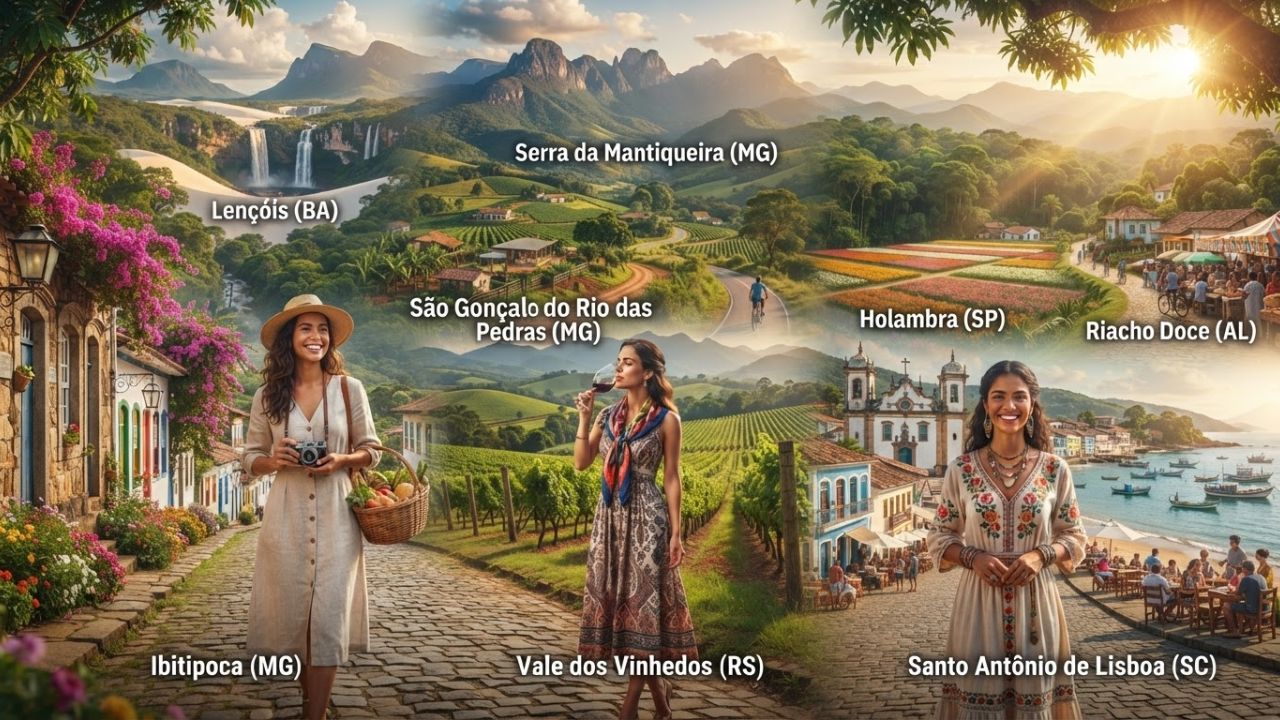
Image generated by AI
Published on July 18, 2026
The United Nations Tourism organization has nominated seven remarkable local communities for its prestigious Best Tourism Villages 2026 initiative, focusing global attention on sustainable rural tourism in Brazil. These destinations highlight a strategic effort to protect cultural heritage, preserve local traditions, and create community-led economic opportunities away from crowded urban hubs. For travelers searching for authentic heritage experiences and nature-led escapes, here is everything you need to know about the nominated villages and their travel itineraries.
Quick Summary
- Global Contest: Seven Brazilian villages are competing for the UN Tourism Best Tourism Villages 2026 recognition, to be announced in December in Buenos Aires.
- Sustaining Traditions: The program targets rural communities with populations under 15,000 that use tourism to protect local culture and eco-assets.
- Diverse Landscape: Selected villages feature coastal fishing communities, historic gold trail paths, flower farming towns, and mountain parks.
- Existing Winners: Testo Alto in Pomerode (German heritage) and Antônio Prado (Italian heritage) are already recognized global rural destinations.
- Travel Logistics: Reaching these remote villages requires gateway airport transfers and, in some cases, suitable off-road vehicles.
Context and Background: Promoting Rural Tourism in Brazil Globally
The United Nations Tourism Best Tourism Villages program, established in 2021, celebrates communities that use tourism as a tool for sustainable development while protecting natural and cultural assets. To date, the initiative has received more than 1,000 nominations from 100 countries. In this round, seven diverse communities are competing for international recognition. This campaign highlights a growing interest in sustainable rural tourism in Brazil, providing alternative travel options away from congested urban tourist hubs.
As global tourists look for authentic experiences, these small destinations are becoming increasingly important. Rather than focusing only on major cities, travelers want to discover local food heritage, traditional lifestyles, and scenic landscapes. The evaluation process reviews candidate communities on environmental protection, cultural preservation, infrastructure, and the direct benefits tourism provides to the local population.
Event and Incident Details: The Seven Brazilian Nominees
The selected Brazilian villages reflect the country’s rich geographic and cultural diversity:
- Araçá (Santa Catarina): A coastal fishing community focused on artisanal seafood preparation and traditional boat journeys. Accessible by road from Florianópolis or Navegantes.
- Conceição de Ibitipoca (Minas Gerais): A mountain community in the Serra da Mantiqueira range near Ibitipoca State Park, known for caves, waterfalls, and Gold Cycle history. Gateways include Belo Horizonte and Rio de Janeiro.
- Delfinópolis (Minas Gerais): Located in the Serra da Canastra region, famous for Canastra Artisan Cheese, Canastra Coffee, and national park hiking trails. Accessible from Franca, Ribeirão Preto, or Uberaba.
- Holambra (São Paulo): Brazil’s National Flower Capital, showcasing Dutch heritage through European architecture, flower farm tours, and cuisine. Located 130 km from São Paulo, with Campinas' Viracopos Airport as the main gateway.
- São José do Barreiro (São Paulo): Combines coffee plantation history, colonial architecture, and the historic Gold Trail in the Serra da Bocaina. Gateways are São Paulo and Rio de Janeiro.
- Lençóis (Bahia): A historic town featuring stone buildings, serving as the main gateway for hiking, rivers, and canyons in Chapada Diamantina National Park. Accessible from Salvador (400 km).
- Vila Flores (Rio Grande do Sul): Located in the Serra Gaúcha, celebrating Italian heritage through traditional music, gastronomy, and the Filó Italiano storytelling event. Porto Alegre (180 km) serves as the main gateway.
Risk and Impact: Infrastructure Readiness for Rural Tourism in Brazil
Traveling through remote regions of Brazil requires understanding several transit and environmental risks:
- Rough Terrain & Unpaved Roads: Accessing high-altitude national parks or historic trails (e.g., Serra da Bocaina, Ibitipoca) often requires reliable 4x4 vehicles.
- Limited Local Accommodation: Rural destinations rely on small family-run pousadas, which can book out quickly during holidays.
- Environmental Vulnerability: Increased visitor numbers in national parks like Chapada Diamantina require strict waste management and eco-preservation rules to prevent erosion.
- Language & Communication Barriers: English-speaking guides and signage are less common in smaller villages, making pre-planning essential.
The list below outlines how established programs demonstrate the success of this rural travel model:
- Pomerode's Testo Alto (Santa Catarina): Preserves German immigration heritage, featuring a 16-kilometer Enxaimel Route and 50 historic half-timbered buildings.
- Antônio Prado (Rio Grande do Sul): Protects Italian heritage, including the traditional gastronomy and the continued use of the Talian language dialect.
- Sustainable Development Goals: UN Tourism reviews how villages support local jobs, reduce rural flight, and manage natural resource use.
- Bilateral Economics: Aligning agriculture and tourism (such as flower farms in Holambra or cheese farms in Delfinópolis) protects local trade.
What Authorities and Experts Are Saying: Preserving Local Identities
UN Tourism representatives explain that the Best Tourism Villages initiative promotes tourism as a driver of rural development and job creation. UN Tourism and Embratur are working to integrate these villages into national promotional campaigns, ensuring that sustainable growth helps protect local assets rather than degrade them.
Brazilian tourism coordinators emphasize that these nominations show the country offers far more than beaches and major cities. Officials highlight that the program protects local identities and ensures younger generations can connect with their roots while generating community revenue.
Practical Traveler Advice: Navigating Brazil's Rural Circuits
For tourists planning to explore these nominated rural communities, travel planners suggest the following guidelines:
- Book Accommodations Months in Advance: Pousadas in villages like Conceição de Ibitipoca or Lençóis have limited rooms; secure reservations early.
- Rent Suitable Vehicles: If traveling to mountain areas like São José do Barreiro or Delfinópolis, rent a 4WD vehicle to manage rural roads safely.
- Hire Local Guides: Support the community and ensure safe trail exploration by hiring registered local guides for Chapada Diamantina and Ibitipoca Park.
- Acquire Regional Products Directly: Purchase Canastra cheese in Delfinópolis or flowers in Holambra directly from local farms to support sustainable trade.
- Confirm Gateway Connections: Identify the correct gateway airports (e.g., Viracopos for Holambra, Navegantes for Araçá) before booking international flights.
Broader Context: The Cultural Diversity of Brazil
The nominated communities showcase the rich history of immigration and trade that shaped Brazil. From the Dutch floral culture of Holambra and the Italian heritage of Vila Flores to the Gold Cycle trails in São José do Barreiro and the artisanal fishing methods in Santa Catarina, these villages protect the regional identities that form the country's cultural core.
Looking Ahead: Buenos Aires Announcement
The final winners of the UN Tourism Best Tourism Villages 2026 edition will be announced in December 2026 during a ceremony in Buenos Aires, Argentina. If selected, these new Brazilian destinations will join Pomerode's Testo Alto and Antônio Prado in the global network of sustainable rural getaways, promoting eco-friendly travel throughout South America.
Conclusion: Emphasizing Preparedness and Vigilance
Exploring Brazil's hidden villages offers a unique and memorable travel experience centered on culture and nature. By planning routes in advance, renting proper vehicles, and respecting local historical paths, visitors can complete their journeys safely and support local communities. Emphasizing preparedness and vigilance remains essential to enjoy these remote treasures responsibly.
FAQ: Brazil Rural Tourism and Best Villages
What is the UN Tourism Best Tourism Villages initiative?
It is a global program launched in 2021 to celebrate rural destinations under 15,000 residents that use tourism to protect their culture, heritage, and environment.
Which Brazilian villages are nominated for the 2026 edition?
The seven nominees are Araçá, Conceição de Ibitipoca, Delfinópolis, Holambra, São José do Barreiro, Lençóis, and Vila Flores.
When and where will the 2026 winners be announced?
The winners will be announced in December 2026 during a UN Tourism ceremony in Buenos Aires, Argentina.
Which Brazilian villages are already recognized under the program?
Testo Alto in Pomerode (Santa Catarina) and Antônio Prado (Rio Grande do Sul) are already recognized members of the network.
What are the main travel challenges when visiting these villages?
Travelers face unpaved mountain roads requiring 4x4 vehicles, limited local lodging capacity, and less common English translation services.
Related Travel Guides
Disclaimer
This article is for informational and educational purposes only. It does not constitute legal, financial, or professional advice. While we strive to provide accurate and up-to-date information, travel policies, regulations, and conditions change rapidly. Always verify information with official sources before making travel decisions. Nomad Lawyer makes no representations about the accuracy, reliability, completeness, or suitability of the information provided. Readers should consult qualified professionals for advice specific to their circumstances. The views expressed in this article are those of the author and do not necessarily reflect the views of Nomad Lawyer.
Kunal K Choudhary
Co-Founder & Contributor
A passionate traveller and tech enthusiast. Kunal contributes to the vision and growth of Nomad Lawyer, bringing fresh perspectives and driving the community forward.
Learn more about our team →