
UK Nuclear Waste Site Transforms Railway With Recycled Plastic Sleepers For A Sustainable Future Character count
UK Nuclear Waste Site Transforms Railway With Recycled Plastic Sleepers For A Sustainable Future Character count

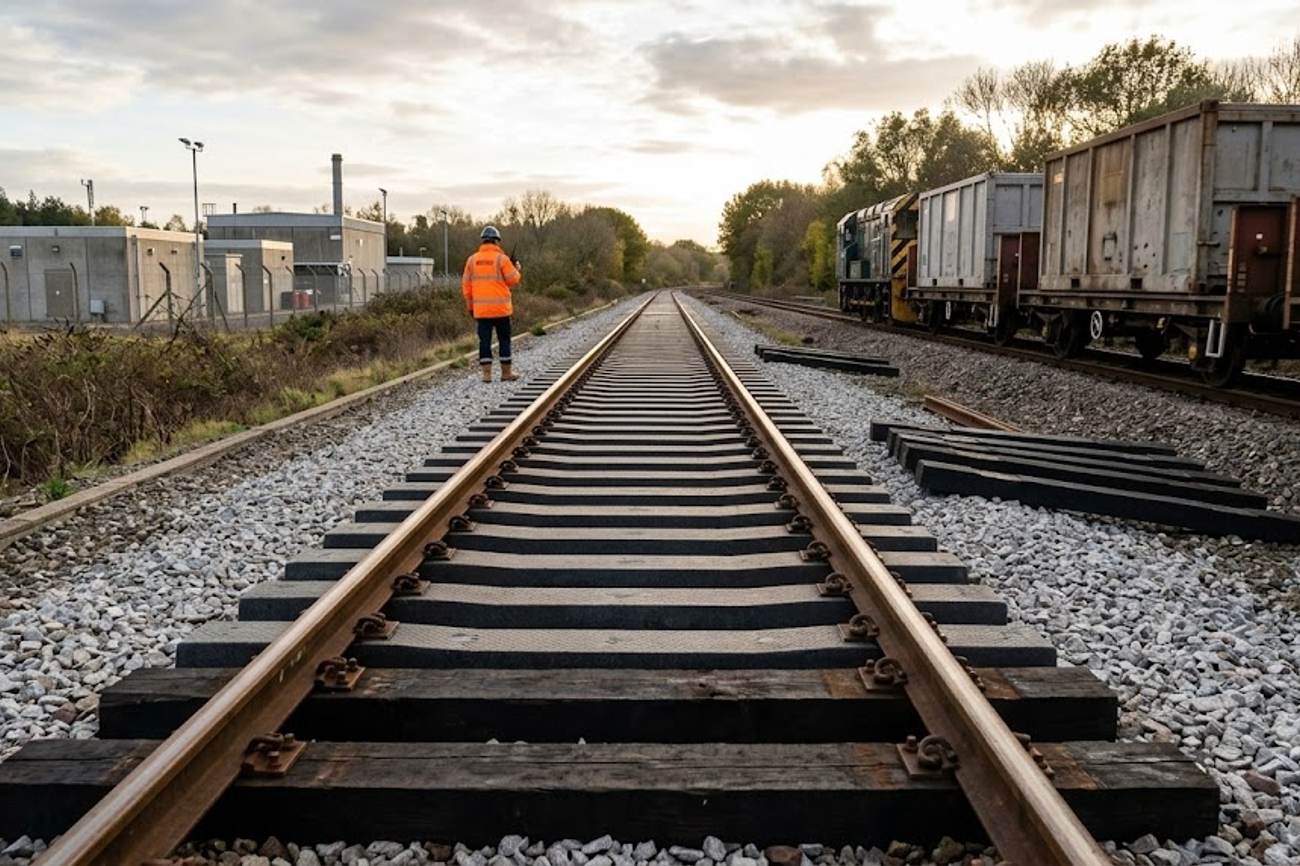
Image generated by AI
Every single railway sleeper installed at the Low Level Waste Repository in Cumbria now contains approximately 90kg of recycled plastic waste. This shift transforms a critical piece of industrial infrastructure into a massive carbon-sink of sorts, repurposing discarded polymers that would otherwise clog landfills to support the weight of nuclear waste transport.
The Industrial Evolution of Cumbria’s Rail Sidings
While most visitors to the Lake District focus on the romantic peaks and poetic vistas, a different kind of transformation is occurring at the Low Level Waste Repository (LLWR). Managed by Nuclear Waste Services (NWS), this site has become a testing ground for the future of British rail infrastructure. In 2025, during a phase of scheduled maintenance, the facility moved away from traditional hardwood sleepers, opting instead for plastic composite alternatives.
This isn't a passenger line where you'll find commuters with coffee, but the implications are systemic. The LLWR is the primary UK facility for disposing of low-level radioactive waste, serving sectors ranging from medical research and nuclear energy to national defense since 1959. By integrating these composite sleepers into the rail sidings, the site has become the first within the Nuclear Decommissioning Authority (NDA) group to adopt this specific sustainable material. The move signifies a shift in how the UK views "maintenance"—no longer just as a way to fix what is broken, but as an opportunity to upgrade the environmental footprint of the network.
What Makes the LLWR Project Different
The distinction here lies in the lifecycle of the materials. For over a century, the gold standard for rail stability was hardwood. While effective, timber is subject to rot, requires chemical treatments to survive the damp Cumbrian climate, and relies on forestry resources. The new composite sleepers break this cycle entirely.
According to data from Nuclear Waste Services, these UK-manufactured sleepers boast a claimed service life of 50 to 100 years. To put that in perspective, a single sleeper could outlast the career of the engineers who installed it. Beyond the longevity, the circularity is the real draw: the sleepers are fully recyclable at the end of their life. This creates a closed-loop system where plastic waste is diverted from the environment, serves a high-stress industrial purpose for up to a century, and can then be processed back into new materials.
For those interested in how the UK manages its environmental commitments, the UK Government's official portals provide broader context on the transition to a circular economy, while the Nuclear Decommissioning Authority outlines the specific safety and environmental mandates governing sites like the LLWR.
Visitor Insider Tips
While the Low Level Waste Repository is a secure industrial site and not a tourist attraction in the traditional sense, the surrounding Cumbria region is a playground for those who appreciate the intersection of industry and nature.
Timing Your Visit to Cumbria To avoid the crushing crowds of the Lake District, visit in the "shoulder" months of May or September. The weather is mild, and the trails are far less congested than during the July-August peak.
Navigating the Region If you are exploring the northern reaches of Cumbria near the LLWR, avoid relying solely on rental cars for the narrow lanes. The local bus networks are surprisingly efficient for reaching remote villages. For those planning a wider trip, check the National Rail schedules to see how the main lines connect the industrial north with the scenic west.
Local Etiquette and Exploration When visiting the outskirts of industrial sites or protected lands, stick strictly to marked paths. Cumbria is home to sensitive ecosystems and high-security zones. If you are interested in the region's heritage, visit the local museums in Workington or Whitehaven to understand the area's transition from a coal-mining powerhouse to a center for nuclear decommissioning.
Regional Specialties While in the area, seek out Cumberland Sausage—a long, coiled sausage with a distinct peppery flavor that is protected by European geographical indication. Pair it with a visit to a local farm shop for Cumbrian honey, which is renowned for its purity due to the region's lack of heavy urban pollution.
Cultural and Environmental Context
The installation of recycled plastic sleepers at the LLWR is more than a technical upgrade; it is a symbolic gesture in a region that has long wrestled with the legacy of heavy industry. Cumbria's identity is split between the "postcard" beauty of the Lake District—a UNESCO World Heritage site—and the gritty reality of nuclear and mining operations.
Historically, industrial sites were seen as scars on the landscape. However, the current trend is toward "invisible sustainability." By replacing hardwood with recycled plastic, the LLWR is attempting to mitigate the environmental cost of its own existence. The challenge for the region is balancing the high-security requirements of radioactive waste management with the overarching goal of preserving one of the most beautiful regions in the world.
This project demonstrates a "maintenance-first" philosophy. Rather than waiting for a massive, multi-billion pound infrastructure overhaul, the NWS used routine work to implement a sustainable change. This approach is being watched closely by other rail operators across the UK. If a site as demanding as a nuclear waste repository can successfully utilize recycled plastic to maintain stability and safety, the argument for rolling this out across the national passenger network becomes much stronger.
FAQ: Visiting Cumbria 2026
What is the best time to visit Cumbria? May and September offer the best balance of weather and crowd levels. Avoid August if you prefer quiet trails and easier parking in the Lake District.
How do I get to the Cumbria region from London? The fastest way is via Avanti West Coast trains from London Euston to Penrith or Carlisle, followed by a local rental car or bus to reach the western coast.
Is it safe for solo travelers? Yes, Cumbria is very safe for solo travelers. The local community is welcoming, and the region is well-equipped for hikers and independent explorers.
Can I tour the Low Level Waste Repository? No, the LLWR is a high-security facility and is not open for general public tours. However, you can learn about its operations through official NWS publications.
The future of the rails isn't just about the trains we ride, but the recycled waste holding them steady.
#CumbriaTravel2026 #NuclearWasteServices #UKRailInnovation #SustainableInfrastructure #LakeDistrictIndustry #RecycledPlasticRail
Related Travel Guides
- Queensland Rail ETCS Level 2 Launch Marks New Digital Era For Brisbane Trains Ahead Of 2032 Games
- Assam Gohpur Numaligarh Underwater Tunnel Set To Rewrite Northeast India Travel With A New Brahmaputra Gateway
- JR East GREEN×EXPO 2027 Shinkansen Launch Creates A New Japan Rail Travel Experience Across Major Cities
Disclaimer
This article is for informational and educational purposes only. It does not constitute legal, financial, or professional advice. While we strive to provide accurate and up-to-date information, travel policies, regulations, and conditions change rapidly. Always verify information with official sources before making travel decisions. Nomad Lawyer makes no representations about the accuracy, reliability, completeness, or suitability of the information provided. Readers should consult qualified professionals for advice specific to their circumstances. The views expressed in this article are those of the author and do not necessarily reflect the views of Nomad Lawyer.
Raushan Kumar
Founder & Lead Developer
Full-stack developer with 11+ years of experience and a passionate traveller. Raushan built Nomad Lawyer from the ground up with a vision to create the best travel and law experience on the web.
Learn more about our team →