
UK Joins UAE, Turkey, Germany, India and China Flights Disrupted as Moscow, Russia Faces Sixty-Drone Overnight Attack, Forcing Emergency Shutdowns at Aeroflot, Emirates, Turkish Airlines & Lufthansa Routes
UK Joins UAE, Turkey, Germany, India and China Flights Disrupted as Moscow, Russia Faces Sixty-Drone Overnight Attack, F

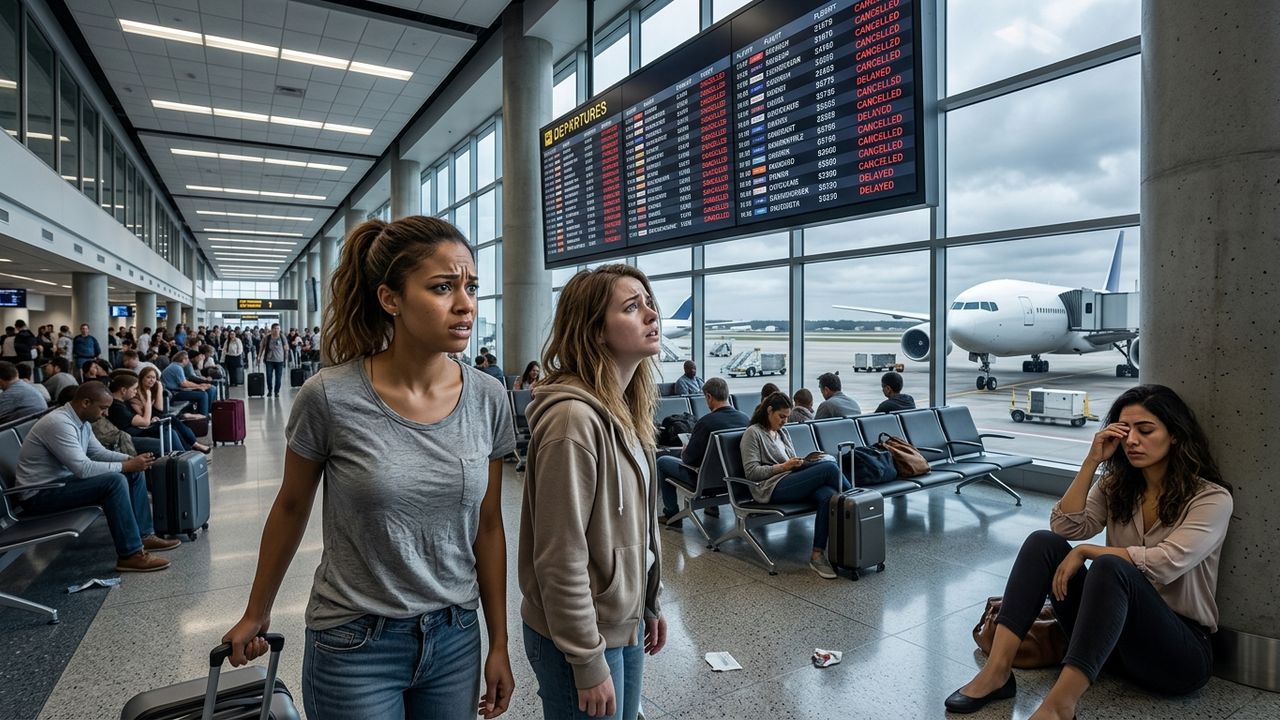
Image generated by AI
[Oslo, Norway, June 22, 2026] — Moscow flight disruptions 2026 are spreading across global aviation networks after a coordinated overnight drone assault forced emergency ground stops at multiple Russian capital airports. Industry reports confirm that approximately sixty unmanned aerial systems triggered immediate air defense protocols, resulting in the temporary closure of controlled airspace and the diversions of hundreds of commercial aircraft. The security breach has instantly paralyzed critical transit corridors linking Europe, the Middle East, and Asia, stranding passengers and forcing major carriers to activate contingency rerouting strategies.
Background / Context
Moscow has historically functioned as a central continental crossroads, channeling passenger and cargo traffic between Western Europe and East Asia. Flight tracking data and aviation authority statements indicate that the sudden grounding of commercial aircraft at Moscow terminals has created an immediate bottleneck for international connectivity. When a major hub experiences emergency shutdowns, the knock-on effects cascade across interconnected airline schedules, air traffic management zones, and passenger itineraries worldwide. The current operational paralysis stems directly from heightened aerial threats near the capital, which require immediate defensive measures regardless of confirmed ground damage.
Operational Restrictions Tighten Ground Access to Moscow Airports
Civil aviation operators are encountering severe limitations when attempting to service the Russian capital. Recent operational updates from flight tracking platforms show that authorities have arbitrarily grounded several aircraft at Moscow terminals while simultaneously redirecting all incoming international traffic to alternate aerodromes. Air traffic controllers are enforcing increased hold patterns and mandatory ground delays for connecting flights, while carriers continue issuing last-minute schedule modifications. Because Moscow occupies a central position in global flight pathways, these localized restrictions immediately translate into broader connectivity challenges for passengers originating from Europe, the Gulf region, and Asia.
Country-Specific Impact Analysis for UK, UAE, Turkey, Germany, India and China Transit Corridors
The disruption pattern follows predictable commercial travel flows. Nations with established business and tourism linkages to Russia are experiencing the most immediate operational friction. Flight tracking data and airline capacity reports highlight how each region faces distinct routing challenges:
| Country | Type of travel to Moscow | Impact when access is disrupted |
|---|---|---|
| UK | Business and Transit to Europe | Delays and rerouting via EU hubs |
| UAE | Strong Dubai–Moscow corridor | Changes in Emirates flight availability |
| Turkey | Istanbul–Moscow connectivity | Delays in Turkish Airlines flights |
| Germany | European transit feeder routes | Operational delays for Lufthansa |
| India | Business and growing tourism | Longer layovers via Gulf hubs |
| China | Group travel and high volumes | Delays in group travel and rescheduling |
Moscow continues to function as a vital cross-continental air travel hub, meaning that restricted access immediately alters passenger volume distribution across competing regional airports.
Airlines Most Affected: Aeroflot, Emirates, Turkish Airlines & Lufthansa Route Adjustments
Global carriers operating direct or connecting services into Moscow are absorbing the immediate financial and logistical shock of the airspace closure. Flight status updates from major international networks confirm that Aeroflot is managing significant ground delays across both domestic and international sectors. Long-haul operators like Emirates are reporting extended hold times and fuel burn increases as aircraft wait for clearance windows. Turkish Airlines faces persistent scheduling conflicts on the Istanbul–Moscow sector, while Lufthansa is deploying additional staff buffers to manage passenger rebooking and gate reallocation.
| Affected Airlines | Operational Impact |
|---|---|
| Aeroflot | Delays to domestic and international travel |
| Emirates | Long haul travel delays |
| Turkish Airlines | Delays on Istanbul – Moscow flights |
| Lufthansa | Travel delays requiring shift to staff buffers |
Operational outcomes include frequent departure delays, extended aircraft holding patterns, and rising fuel expenditures tied to emergency rerouting protocols. Airlines are adjusting rapidly, but the cumulative effect of repeated ground stops is straining crew scheduling and aircraft utilization metrics.
Why Do Flight Disruptions 2026 Focus On Moscow Airspace
The current wave of flight disruptions 2026 concentrates on the Russian capital due to a documented series of aerial security incidents. Aviation security officials and air traffic management reports attribute the closures to drone activity detected within the metropolitan flight envelope. Russian air defense systems are responding with rapid interception protocols, which automatically trigger temporary shutdowns of controlled air corridors. Civil aviation regulators are enforcing heightened security measures for commercial traffic, resulting in immediate flight suspensions until airspace clearance is confirmed. Even when no structural damage reaches the ground, the mere presence of aerial threats forces air traffic control to implement strict flight restrictions. These localized security responses directly impact international departure and arrival schedules, effectively isolating Moscow from standard global routing networks.
How Disruptions in 2026 Will Affect Global Travel and Tourism Planning
The ongoing operational instability is already reshaping passenger behavior and corporate travel protocols. Industry observers note that advance planning for Moscow-bound itineraries has become highly unpredictable, eliminating the flexibility that traditionally supported last-minute commercial bookings. Travel insurance providers are adjusting premium structures for Russia-linked routes, reflecting the elevated risk profile. Business travelers and tour operators are actively shifting routing preferences toward alternative transit hubs, particularly Istanbul, Dubai, and Doha, which currently maintain more stable airspace conditions. The rigid scheduling demands of corporate travel are experiencing the most severe friction, while leisure tourism is adapting through extended layovers and multi-leg routing strategies.
Key Adjustments for Passengers Navigating Flight Disruptions 2026
Travelers currently holding tickets for Moscow or Russian transit points must implement immediate contingency measures. Aviation industry guidelines recommend continuous flight monitoring through official airline applications before departure. Passengers should proactively explore rerouting alternatives by contacting carrier support lines or utilizing digital booking platforms. Those with rigid itineraries should anticipate extended ground delays and alternative gate assignments. Flexible fare classes remain the most effective mitigation strategy, allowing rapid ticket changes during the initial operational disruption window. Visa holders and transit passengers must verify updated immigration requirements, as border processing times are fluctuating alongside flight schedules. Airlines are currently processing change requests due to terminal restrictions, but demand is expected to outpace available rebooking capacity within the first seventy-two hours of the operational shutdown.
Impact Analysis on Global Aviation Networks
The sustained closure patterns in Moscow represent a significant stress test for global aviation risk management frameworks. Carrier networks are being forced to develop and implement alternative contingency routing plans that bypass traditional Russian airspace. Airport authorities are upgrading emergency management procedures to handle sudden capacity drops and passenger surges at alternative hubs. Operating expenses for Europe-Asia commercial routes are climbing as fuel consumption increases and ground handling fees rise across secondary airports. Transit distribution models are gradually shifting away from high-risk operational zones toward more politically and meteorologically stable corridors. While Moscow retains its historical status as a major transit hub, persistent instability is accelerating passenger preference migration toward alternative routing pathways.
Flight Disruptions and Moscow Airport Closures FAQ
1. What are the flight disruptions in Moscow in 2026? Commercial flights are experiencing temporary suspensions and delays due to airport closures triggered by safety protocols following reported drone activity in the Moscow region.
2. Which airlines are affected by the flight disruptions in Moscow? Industry data identifies Aeroflot, Emirates, Turkish Airlines, and Lufthansa as the primary carriers impacted by the Moscow airspace restrictions due to their direct service routes.
3. Which countries are affected by the closures of Moscow airports? Aviation reports indicate the UK, UAE, Turkey, Germany, India, and China are experiencing the most significant operational impacts due to heavy passenger and transit traffic flowing through the capital.
Forward-Looking Conclusion
The repeated airspace closures and ground stops in Moscow demonstrate how rapidly regional security incidents can fragment global aviation networks. While national air defense mechanisms are executing their mandated protocols, even brief operational alerts generate systemic friction across international flight paths. Commercial carriers and corporate travel departments must now integrate heightened contingency planning into standard routing strategies. Global passengers will likely face sustained schedule volatility until airspace security assessments stabilize and alternative transit corridors achieve full operational capacity.
Moscow flight disruptions 2026 expand globally after a sixty-drone overnight attack forces emergency airport shutdowns, severely impacting international airline routes worldwide.
Related Travel Guides
Disclaimer
This article is for informational and educational purposes only. It does not constitute legal, financial, or professional advice. While we strive to provide accurate and up-to-date information, travel policies, regulations, and conditions change rapidly. Always verify information with official sources before making travel decisions. Nomad Lawyer makes no representations about the accuracy, reliability, completeness, or suitability of the information provided. Readers should consult qualified professionals for advice specific to their circumstances. The views expressed in this article are those of the author and do not necessarily reflect the views of Nomad Lawyer.
Raushan Kumar
Founder & Lead Developer
Full-stack developer with 11+ years of experience and a passionate traveller. Raushan built Nomad Lawyer from the ground up with a vision to create the best travel and law experience on the web.
Learn more about our team →