
Lufthansa strike strands hundreds of Nigerian travellers at German hubs
Coordinated Lufthansa strikes in mid-April 2026 leave hundreds of Nigerian travellers stranded at Frankfurt and Munich hubs, disrupting critical Europe-West Africa travel routes during peak spring season.

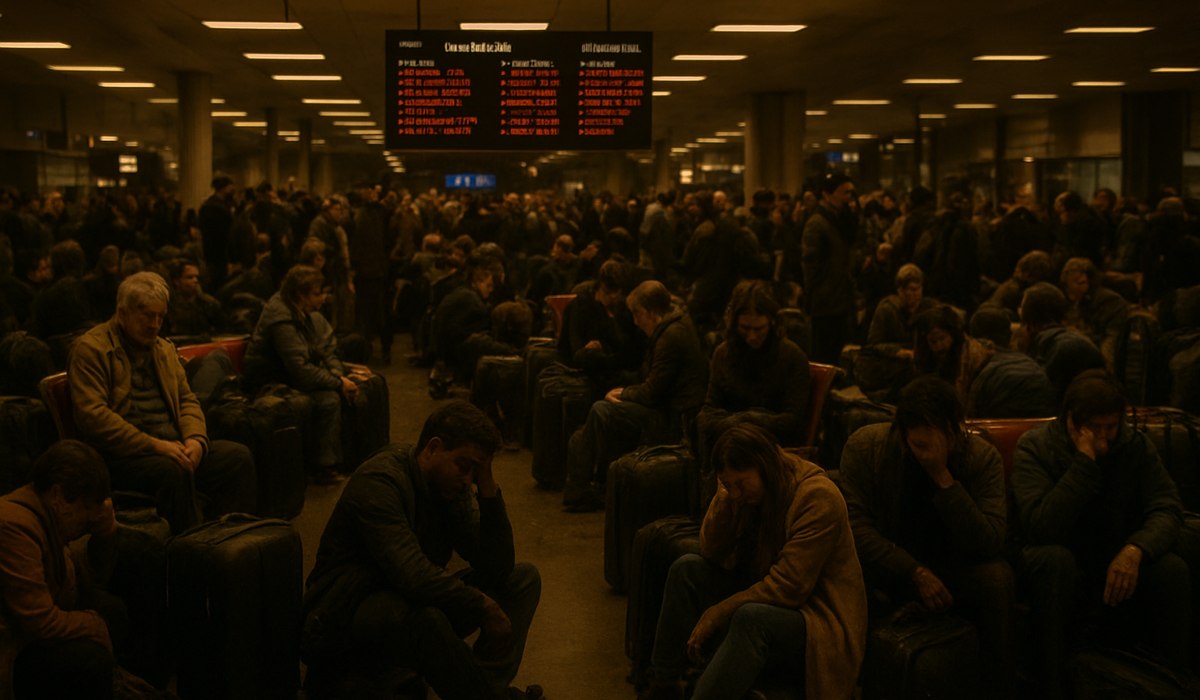
Image generated by AI
Lufthansa Strike Strands Hundreds of Nigerian Passengers at European Hubs
Lufthansa's coordinated strike action in mid-April 2026 has left hundreds of Nigerian travellers stranded at Frankfurt and Munich airports, disrupting essential connectivity across the Europe-West Africa travel corridor. The multi-day industrial action by pilots and cabin crew grounded between 80–90 percent of departures from Germany's primary hubs during peak strike days, cascading disruptions far beyond German borders. Nigerian passengers heading to Lagos and Abuja faced cancelled flights, exhausted hotel capacity, and inconsistent communication from the airline. The timing proved particularly damaging, coinciding with elevated spring travel demand driven by school holidays and business commitments.
Walkouts Ripple Through Lufthansa's German Hubs
Industrial action at Lufthansa's Frankfurt and Munich operations created bottlenecks that reverberated across Europe's largest airline network. Published strike schedules and aviation tracking data confirm that multiple walkout days in mid-April resulted in widespread flight cancellations. Frankfurt and Munich function as critical transfer points connecting European cities to African destinations, meaning the disruption extended well beyond Germany's airspace.
The cascading effect proved particularly severe because stranded aircraft and crews became stuck out of position. This triggered rolling cancellations that persisted even after limited services resumed, affecting itineraries for days following the formal strike conclusion. Airlines operating partner agreements and codeshare routes reported extended delays as recovery efforts proceeded. The strike's duration and timing during peak spring travel season amplified passenger frustration. For detailed information on passenger rights during airline disruptions, consult the European Aviation Safety Agency guidance on operational continuity.
Nigerian Passengers Stranded on Lagos and Abuja Routes
Nigeria represents one of Lufthansa's most strategically important African markets, with regular non-stop service between Frankfurt and both Lagos and Abuja operating multiple times weekly. These routes attract business travellers, government officials, and leisure passengers connecting from across Europe and North America. The April strike waves disproportionately affected these Germany-Nigeria services due to their frequency and the hub's connectivity.
Passengers arriving in Frankfurt from secondary European cities like London, Paris, Amsterdam, and Milan discovered their onward connections cancelled with minimal advance warning. Many travellers found themselves mid-journey with depleted alternative routing options. Hotel availability near Frankfurt and Munich airports evaporated within hours, leaving families and business professionals with limited accommodation options. The shortage of remaining long-haul seats forced rebooking passengers onto expensive alternative routings via competing European hubs. Local Nigerian media extensively documented scenes of stranded travellers, highlighting care gaps in the airline's crisis response. For comprehensive flight options between Nigeria and Europe, review current Lufthansa Nigeria route schedules.
Airline Response and Passenger Compensation Framework
Lufthansa's response to the strike disruption has attracted scrutiny from passenger-rights advocates and regulatory bodies. European Union Regulation 261/2004 establishes mandatory compensation and assistance obligations for carriers operating from EU airports during operational disruptions. The regulation typically requires airlines to provide meals, accommodation, communication access, and compensation between €250–€600 depending on flight distance.
However, the regulation includes a significant exemption: carriers may avoid compensation obligations when proving that cancellations result from extraordinary circumstances beyond their control. Labour disputes occupy contested legal terrain—some jurisdictions classify strikes as extraordinary circumstances, while others hold airlines responsible for maintaining contingency planning. Passengers sleeping on terminal floors reported inconsistent provision of vouchers and meal support, suggesting uneven application of assistance obligations. Some travellers received timely hotel accommodation, while others described being directed to remain in terminals without clear guidance. The lack of proactive communication compounded frustration; many passengers learned of cancellations through media reports rather than formal airline notifications. Specialists recommend consulting IATA's passenger-rights resource centre for dispute resolution options.
Broader Implications for Europe-Africa Connectivity
The April 2026 disruption underscores structural vulnerabilities in Europe-West Africa air connectivity. A single strike at Germany's primary hubs created cascading effects across the continent, revealing limited redundancy in long-haul routing options. Lufthansa strike strands illustrated how concentrated hub operations can amplify disruption impact.
Industry analysts note that competing European carriers operating alternative hubs (Paris, London, Amsterdam) experienced booking surges but lacked capacity to absorb full traffic displacement. This mismatch between demand and available capacity during crises highlights the region's connectivity fragility. For Nigerian businesses and travellers, the incident reinforces the need for backup routing strategies and flexible itinerary planning. Airlines have pledged enhanced contingency staffing and communication protocols for future industrial actions. The strike also renewed discussions about pre-planned alternative routing agreements between carriers, designed to provide stranded passengers smoother rebooking experiences. Regional aviation bodies continue evaluating mechanisms to improve Europe-Africa travel resilience during labour disputes.
Impact Data Summary
| Metric | Details |
|---|---|
| Peak Cancellation Rate | 80–90% of Lufthansa departures at Frankfurt and Munich |
| Duration | Multiple days in mid-April 2026 |
| Primary Affected Routes | Frankfurt-Lagos, Frankfurt-Abuja, Munich connecting flights |
| Estimated Nigerian Passengers Stranded | Hundreds across both hubs |
| Hotel Availability Impact | Exhausted capacity within first 24 hours of strikes |
| Recovery Timeline | Rolling cancellations persisted 3–5 days post-strike conclusion |
| EU Compensation Range | €250–€600 per passenger depending on distance |
| Communication Gap | Many passengers learned of cancellations via media, not airline |
What This Means for Travelers
Nigerian passengers and West African travellers should implement these protective strategies to navigate future airline disruptions:
-
Monitor strike news actively. Subscribe to airline alerts and aviation-strike databases like Strike.news to receive advance warnings about potential industrial action at major hubs.
-
Build itinerary flexibility. When booking Frankfurt or Munich connections, consider adding buffer time (24+ hours) between legs to accommodate potential cascading delays without missing onward flights.
-
Document everything. Photograph boarding passes, cancellation notices, and any vouchers received. Maintain detailed records of expenses incurred due to disruption—these support compensation claims.
-
Know your legal rights. EU Regulation 261 applies to all flights departing EU airports regardless of passenger nationality. Familiarize yourself with compensation thresholds and filing procedures through official channels.
-
Request written confirmation. When rebooking through airline staff, obtain written documentation confirming your new flight details, meal entitlements, and accommodation arrangements to prevent disputes later.
-
Consider travel insurance. Comprehensive coverage including strike-related disruption protection provides financial recourse beyond airline obligations, protecting against unexpected accommodation and rebooking costs.
Frequently Asked Questions
What compensation can Nigerian passengers claim for Lufthansa cancellations caused by strikes?
Under EU Regulation 261/2004, passengers on flights departing Frankfurt or Munich may claim €250–€600 depending on flight distance, regardless of strike exemptions in some jurisdictions. File claims directly with Lufthansa's compensation department or through authorized travel-rights platforms. Documentation of the cancelled flight, booking reference, and proof of purchase strengthens your claim.
Did Lufthansa provide accommodation and meals to stranded Nigerian passengers?
Reports indicate inconsistent assistance. Some passengers received hotel vouchers and meal support, while others described being directed to remain in terminals. Lufthansa is legally obligated under EU regulations to provide reasonable accommodation and meals when flights are cancelled. If you received inadequ
Disclaimer
This article is for informational and educational purposes only. It does not constitute legal, financial, or professional advice. While we strive to provide accurate and up-to-date information, travel policies, regulations, and conditions change rapidly. Always verify information with official sources before making travel decisions. Nomad Lawyer makes no representations about the accuracy, reliability, completeness, or suitability of the information provided. Readers should consult qualified professionals for advice specific to their circumstances. The views expressed in this article are those of the author and do not necessarily reflect the views of Nomad Lawyer.
Raushan Kumar
Founder & Lead Developer
Full-stack developer with 11+ years of experience and a passionate traveller. Raushan built Nomad Lawyer from the ground up with a vision to create the best travel and law experience on the web.
Learn more about our team →