
UK Air Traffic Control Technical Glitch Causes Widespread Flight Delays at London Heathrow and Gatwick: Passenger Alert 2026
A technical glitch at Swanwick Air Traffic Control Centre restricts UK airspace, triggering major departure backlogs at London Heathrow and Gatwick.

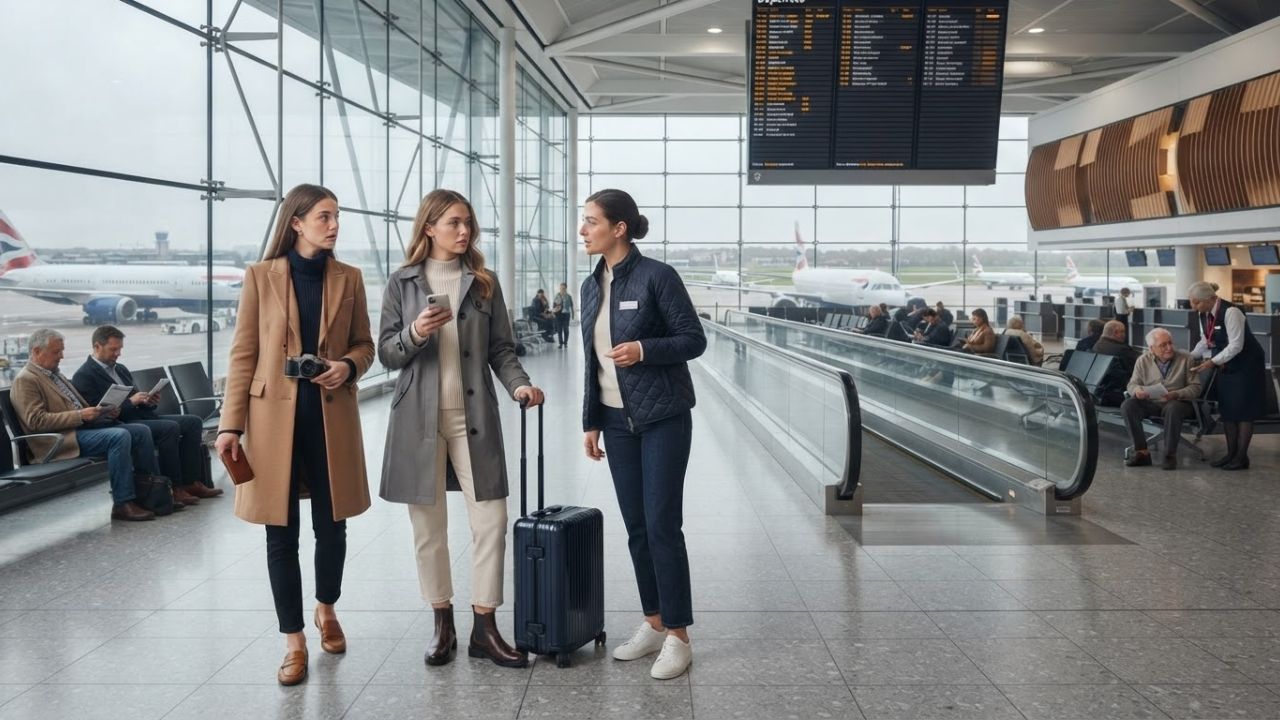
Image generated by AI
[LONDON, September 8, 2026] — A major technical failure at the Swanwick Air Traffic Control Centre in Hampshire has severely restricted British airspace capacity, causing widespread departure delays and airborne holding patterns across London Heathrow Airport (LHR) and London Gatwick Airport (LGW). Air traffic controllers were forced to manually restrict outbound flight flow rates while specialized engineering teams worked to resolve system glitches managing high-altitude traffic sectors.
The disruption compounded existing operational strain at London Heathrow, which was already managing knock-on delays from an earlier bird strike incident on one of its active runways, creating compounding passenger backlogs across European and long-haul international networks.
Operational Breakdown of the Swanwick Air Traffic Control Outage
The air traffic failure originated at National Air Traffic Services' (NATS) primary en-route control facility in Swanwick, Hampshire. The center oversees high-density air traffic corridors across England and Wales, coordinating arrivals, departures, and transiting international flights.
       ┌─────────────────────────────────────────────────────────┐
       │   Swanwick Air Traffic Control Centre (Hampshire)       │
       │           Technical Failure in Airspace Systems         │
       └────────────────────────────┬────────────────────────────┘
                                    │
          ┌─────────────────────────┴─────────────────────────┐
          ▼                                                   ▼
  ┌────────────────────────┐                         ┌────────────────────────┐
  │ London Heathrow (LHR)  │                         │ London Gatwick (LGW)   │
  ├────────────────────────┤                         ├────────────────────────┤
  │ Outbound Flow Curbs    │                         │ Departure Backlogs     │
  │ Airborne Stacks        │                         │ Holding Patterns       │
  │ Runway Bird Strike     │                         │ European Delays        │
  └────────────────────────┘                         └────────────────────────┘
When technical sub-systems controlling flight data processing and radar feeds malfunctioned, controllers immediately implemented flow control restrictions. Standard safety protocols dictate reducing the rate of aircraft entering controlled airspace to maintain minimum separation distances manually.
| Disruption Metric | Official Operational Impact & Status |
|---|---|
| Control Facility Affected | Swanwick Area Control Centre, Hampshire |
| Primary Hubs Impacted | London Heathrow (LHR) & London Gatwick (LGW) |
| Airspace Restriction Type | En-route flow management & departure rate caps |
| Flight Tracking Indicators | Airborne holding stacks over Southern England |
| Compounding Airport Events | Earlier bird strike clearance incident at LHR |
| Secondary Network Impact | European short-haul & transatlantic connection delays |
Departure Backlogs at London Heathrow and London Gatwick
As departure slots were throttled, aircraft at both London Heathrow and London Gatwick faced extended gate holds and lengthy taxiway queues. Live flight tracking platforms displayed incoming long-haul flights entering circular holding stacks over Essex, Kent, and the English Channel to allow controllers to space out arrivals safely.
                  ┌─────────────────────────────────────┐
                  │   UK Airspace Flow Restrictions     │
                  └──────────────────┬──────────────────┘
                                     │
         ┌───────────────────────────┼───────────────────────────┐
         ▼                           ▼                           ▼
  ┌──────────────┐            ┌──────────────┐            ┌──────────────┐
  │   AIRCRAFT   │            │   GATE &     │            │ TRANSATLANTIC│
  │ HOLD STACKS  │            │ TAXI QUEUES  │            │ CONNECTIONS  │
  ├──────────────┤            ├──────────────┤            ├──────────────┤
  │ Circular     │            │ Extended     │            │ Mispositioned│
  │ Patterns over│            │ Tarmac Holds │            │ Aircraft &   │
  │ S. England   │            │ at LHR & LGW │            │ Flight Crews │
  └──────────────┘            └──────────────┘            └──────────────┘
London Heathrow (LHR) Impacts
Heathrow handles over 1,300 flights daily operating at near 98% runway capacity. The combination of flow rate caps from Swanwick and runway inspection delays caused by an earlier bird strike created immediate gate congestion in Terminals 2, 3, and 5. Outbound transatlantic services to New York (JFK), Chicago (ORD), and Toronto (YYZ) reported departure delays averaging 45 to 90 minutes.
London Gatwick (LGW) Impacts
Gatwick, Britain’s primary point-to-point European hub, experienced domino delays across short-haul routes to Spain, France, Italy, and Greece. Low-cost and leisure carriers faced aircraft mispositioning as inbound flights delayed in airborne stacks missed scheduled turnaround windows.
Technical Resolution Protocols and Recovery Timeline
Engineers at the Swanwick facility initiated diagnostic protocols to isolate faulty network hardware and reset flight data processing servers. While primary systems were stabilized, air traffic authorities maintained reduced flow rates to ensure controllers could safely absorb pending departure queues.
Aviation operational experts highlight that clearing flight backlogs after an air traffic control slowdown requires significant recovery time. Even after system functionality reaches 100%, airlines face structural challenges:
- Crew Duty Limit Breaches: Flight crews hitting maximum legal operating hours must be replaced, resulting in delayed or canceled flights.
- Aircraft Mispositioning: Jets delayed in London fail to arrive on schedule at overseas outstations, creating secondary cancellations on return legs.
- Airport Night Curfews: Delayed late-evening departures risk missing night-quota departure slots at Heathrow and Gatwick, forcing overnight delays.
Passenger Rights and Airline Rebooking Guidelines
Under UK Air Passenger Rights regulations (retained UK2600 rules), technical failures within air traffic control infrastructure are generally classified as "extraordinary circumstances," exempting airlines from paying lump-sum monetary compensation. However, airlines maintain strict duty-of-care obligations to all affected passengers regardless of the disruption cause.
Mandatory Duty-of-Care Entitlements
- Refreshments and Meals: Vouchers must be provided for flight delays exceeding 2 hours on short-haul routes or 4 hours on long-haul routes.
- Overnight Accommodation: If a flight is delayed until the following day, airlines must provide free hotel accommodation and ground transport.
- Rerouting and Refunds: Passengers facing delays exceeding 5 hours retain the right to cancel their trip for a full refund or request alternative rebooking on the next available flight.
Essential Action Plan for Passengers Flying via London Hubs
Travelers with flights scheduled through London Heathrow, London Gatwick, or regional UK airports during the recovery period should take immediate proactive steps:
- Check Flight Status Remotely: Monitor mobile airline apps and official airport departure boards before traveling to the airport.
- Avoid Premature Airport Arrival: Arriving excessively early adds to terminal concourse crowding without accelerating flight clearance.
- Track Connecting Flights: Passengers with international transfers in Europe or North America should verify secondary legs, as misconnections may require re-ticketing at transit hubs.
Related Travel Guides
Disclaimer
This article is for informational and educational purposes only. It does not constitute legal, financial, or professional advice. While we strive to provide accurate and up-to-date information, travel policies, regulations, and conditions change rapidly. Always verify information with official sources before making travel decisions. Nomad Lawyer makes no representations about the accuracy, reliability, completeness, or suitability of the information provided. Readers should consult qualified professionals for advice specific to their circumstances. The views expressed in this article are those of the author and do not necessarily reflect the views of Nomad Lawyer.
Kunal K Choudhary
Co-Founder & Contributor
A passionate traveller and tech enthusiast. Kunal contributes to the vision and growth of Nomad Lawyer, bringing fresh perspectives and driving the community forward.
Learn more about our team →