
Colorado Bear Encounters Surge: Insider Wildlife Safety Guide for Mountain Travelers in 2026
Rising black bear encounters across Rio Grande National Forest and Durango trigger urgent wildlife warnings for Colorado campers and hikers during autumn hyperphagia.

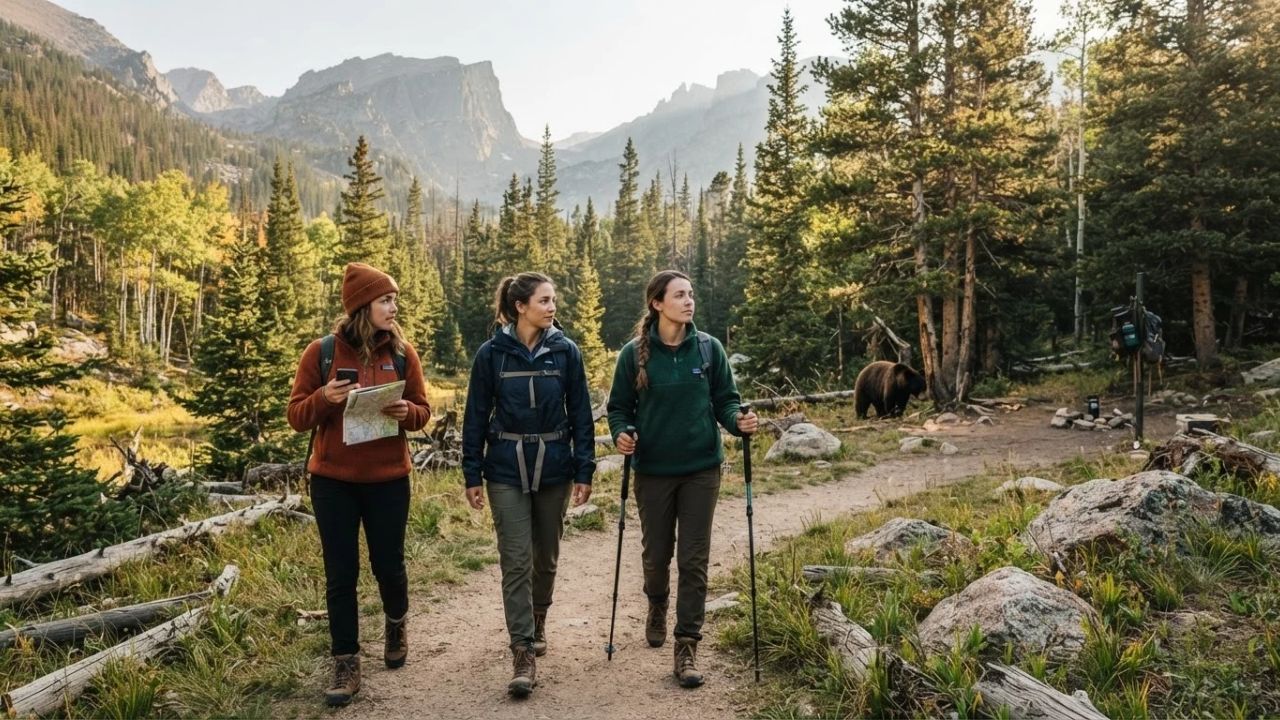
Image generated by AI
During late summer and early autumn, a Colorado black bear must consume up to 20,000 calories every twenty-four hours, foraging virtually non-stop in an intense biological feeding state known as hyperphagia. When drought conditions desiccate natural berry patches, chokecherries, and mountain acorn crops, hungry bears abandon remote timber stands and push directly into human settlements, backcountry campsites, and residential corridors. This seasonal caloric desperation was underscored when wildlife authorities recorded two separate, serious black bear incidents within a single weekend in southwest Colorado, prompting state biologists and federal rangers to issue urgent safety directives for travelers.
Autumn Hyperphagia and Mountain Drought: The Forces Driving Human-Bear Conflict
The sharp increase in human-wildlife encounters across Colorado is driven by a collision between natural animal biology and environmental stress. Before retreating into winter dens for months of hibernation, black bears spend up to twenty hours a day foraging to accumulate the thick fat layers required for survival. When prolonged drought parches high-elevation ecosystems, staple food sources like serviceberries, chokecherries, and gambel oak acorns wither before maturity.
Deprived of natural forage, bears follow their exceptional sense of smell—which is seven times stronger than that of a bloodhound—straight toward developed campgrounds, residential kitchens, vehicles, and trailhead waste bins. Recent encounters demonstrate the immediate risks of this seasonal migration. At Park Creek Campground near South Fork in the Rio Grande National Forest, a camper sleeping inside her tent suffered an arm bite from a black bear. Wildlife officials investigating the site determined that the bear was likely startled rather than displaying premeditated predatory aggression.
Simultaneously, an alarming incident unfolded in the mountain town of Durango, where an opportunistic black bear forced its way into a private residence through an open ground-floor window, injuring a teenager inside. State wildlife officers classified this animal as a severe public safety threat due to its repeated, brazen intrusions into human dwellings. To stay updated on seasonal trail closures and wildlife notices throughout the region, travelers should monitor official advisories published by Colorado Parks and Wildlife.
What Makes Colorado’s High Country Wilderness Different
Colorado is celebrated worldwide as an outdoor playground, drawing millions of adventurers each year to its fourteen-thousand-foot peaks, sprawling national forests, and historic mountain mining towns. However, many visitors treat these regions like controlled urban parks rather than dynamic, untamed ecosystems inhabited by thousands of apex mammals.
The geography of Colorado creates uniquely narrow friction points between human recreation and wildlife territory. Many popular campgrounds, including those across the San Juan Mountains and the Continental Divide, sit directly inside natural riparian corridors that bears use as travel freeways. Valleys near Durango and South Fork feature riparian cottonwoods and mountain shrubs that serve as critical forage zones. When hundreds of tents, camper vans, and outdoor kitchens pop up along these creek drainages, the potential for accidental surprises escalates rapidly.
Furthermore, elevation plays an understated role in animal behavior. As subalpine frosts kill off high-altitude greenery in September, wildlife descends into the warmer valley floors where human settlements and highway corridors concentrate. Before setting up camp in remote basins, hikers should consult specific district regulations outlined by the U.S. Forest Service - Rio Grande National Forest to confirm whether hard-sided food canisters are legally mandated.
Visitor Insider Tips
Navigating bear territory in the Rocky Mountains demands disciplined outdoor habits rather than fearful avoidance. Having spent decades exploring Colorado's backcountry drainages, I advise travelers to implement these essential safety protocols:
- Master the Camp Triangle: When pitching a dispersed tent or occupying an established site, separate your sleeping area, your kitchen setup, and your food storage by at least one hundred yards in an equilateral triangle. Position your sleeping shelter upwind of where you prepare meals, and never sleep in the same clothes you wore while frying food.
- Zero Scent in Sleeping Shelters: Never take food, chewing gum, mints, lip balm, sunscreen, toothpaste, or scented wipes inside a tent. Even an empty energy bar wrapper inside a daypack can provoke a curious bear to slash through nylon tent walls.
- Vehicle Storage Vulnerabilities: Contrary to popular belief, locking food inside a passenger car or sport utility vehicle is not foolproof. Black bears in Colorado regularly break car door handles and shatter passenger windows when they see visible coolers or smell takeout wrappers. Store food inside certified bear-proof canisters or heavy-duty metal food lockers provided at trailheads.
- Active Trail Noise Etiquette: When hiking through thick timber, alongside rushing mountain creeks, or around blind switchbacks, make consistent human noise. Call out loudly, clap, or speak with trail companions to announce your presence. Avoid wearing headphones, which blind you to snapping branches or animal breathing.
- Carrying and Deploying Bear Spray: Always keep EPA-approved bear spray holstered on your hip or chest harness where it can be drawn in two seconds, never buried inside your backpack. If a bear approaches, stand your ground, remove the safety clip, and deploy a brief warning burst when the animal is thirty to forty feet away. Never run; fleeing triggers a bear's predatory pursuit instinct.
For comprehensive trail navigation and ecosystem safety standards across the Front Range and high passes, consult backcountry guidelines from the National Park Service.
Cultural and Environmental Context
The rise in wildlife conflict touches the core of Colorado’s outdoor culture and long-term conservation ethics. For generations, mountain communities have coexisted with wildlife, but surging population growth and record tourist numbers are straining this delicate relationship. When visitors leave food scraps out or fail to latch bear-resistant dumpster lids, they habituate animals to human presence.
In the wildlife management community, the universal adage remains clear: "a fed bear is a dead bear." Once a bear associates humans and campgrounds with easy calories, it inevitably loses its natural wariness, enters tents or homes, and must ultimately be euthanized by wildlife officers to protect human life. Responsible tourism means recognizing that protecting human safety directly protects the lives of native fauna.
Compounding this dynamic is the broader reality of environmental fluctuation across the American West. Shifting precipitation patterns and prolonged summer droughts reduce wild forage, forcing animals to adapt. By embracing leave-no-trace ethics, respecting wildlife viewing perimeters from a minimum distance of one hundred yards, and supporting municipal bear-proof infrastructure, travelers ensure that Colorado's wild heritage remains resilient for generations to come.
FAQ: Colorado Bear Safety and Mountain Travel 2026
What should I do if I encounter a black bear on a trail? Stop, stay calm, and stand your ground. Never run or make sudden aggressive moves. Speak in a firm, calm voice, raise your arms to appear larger, and slowly back away while keeping your eyes on the animal.
Is bear spray legal and necessary in Colorado? Yes, bear spray is fully legal and strongly recommended by Colorado Parks and Wildlife and federal rangers for hikers, backpackers, and campers throughout all mountain forests and subalpine trails.
Can I leave food locked inside my car while camping? Only if bear lockers are unavailable. Ensure all food and scented items are sealed in airtight containers and hidden out of sight under blankets, with windows fully rolled up and vehicle doors locked.
Why are bear encounters more frequent in late summer and autumn? Bears experience hyperphagia, a biological urge compelling them to eat almost continuously to build winter fat reserves. Drought conditions drying up natural berries push them into human areas for food.
Respecting the raw instincts of the wild is the price of admission to Colorado's high country, where the beauty of the mountains begins with keeping them wild.
Related Travel Guides
Disclaimer
This article is for informational and educational purposes only. It does not constitute legal, financial, or professional advice. While we strive to provide accurate and up-to-date information, travel policies, regulations, and conditions change rapidly. Always verify information with official sources before making travel decisions. Nomad Lawyer makes no representations about the accuracy, reliability, completeness, or suitability of the information provided. Readers should consult qualified professionals for advice specific to their circumstances. The views expressed in this article are those of the author and do not necessarily reflect the views of Nomad Lawyer.
Kunal K Choudhary
Co-Founder & Contributor
A passionate traveller and tech enthusiast. Kunal contributes to the vision and growth of Nomad Lawyer, bringing fresh perspectives and driving the community forward.
Learn more about our team →