
UAE Tourism Strategy 2031 Drives Major Shifts in Aviation and Travel Trends
The UAE Tourism Strategy 2031, featuring 25 key initiatives, is transforming the country into a multi-segment global destination with affordable airfares.

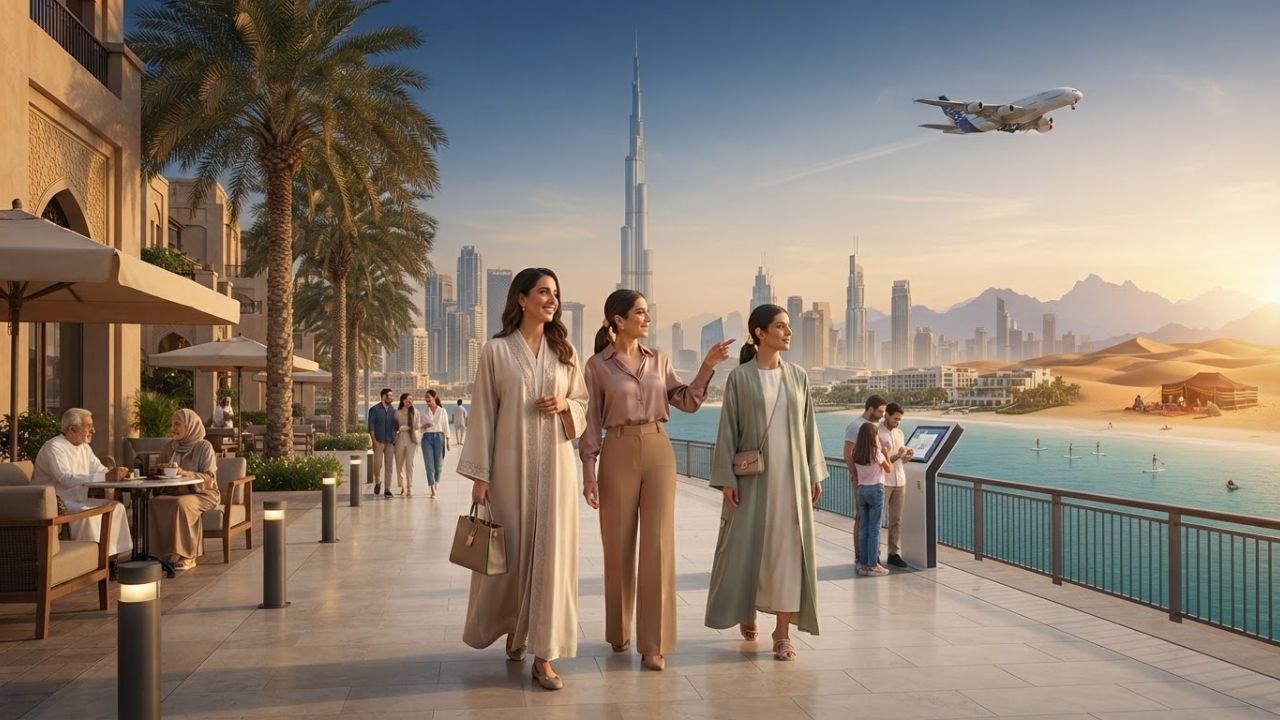
Image generated by AI
The UAE is accelerating its national visitor economy under the UAE Tourism Strategy 2031, implementing 25 initiatives and policies to diversify its travel offerings. By combining competitive airfares with unique cultural, nature-based, and adventure experiences, the seven emirates are establishing a complete travel ecosystem that appeals to a broader global audience.
Deciphering the UAE Tourism Strategy 2031
The federal government launched the UAE Tourism Strategy 2031 with a clear objective: to unify the nation's tourism identity, attract significant investment, and increase the sector's contribution to the national Gross Domestic Product (GDP). Featuring 25 key initiatives and policies, this long-term framework focuses on developing a diverse tourism ecosystem that spreads visitor demand across the entire country.
According to official reports, the strategy aims to raise the tourism sector's contribution to the national GDP to 450 billion dirhams by 2031. This ambitious economic goal is backed by public-private partnerships that fund hotel developments, transport infrastructure, and digital travel solutions. By streamlining business licensing and encouraging foreign direct investment, the government is creating a favorable environment for hospitality brands to expand their presence across all seven emirates. Rather than relying solely on the traditional image of high-end luxury shopping and five-star business hotels in major urban centers, the strategy promotes a wider variety of travel experiences. The government aims to position the UAE as a multi-segment global destination, welcoming families, outdoor adventurers, business travelers, student groups, and stopover tourists. By fostering cooperation among regional tourism bodies, the strategy aims to build a sustainable, resilient visitor economy that benefits local communities across all seven emirates.
Aviation Dynamics: Competitive Airfares and Transit Hubs
A primary driver of the UAE’s tourism expansion is its strategic geographical location and world-class aviation network. Situated at the crossroads between Europe, Asia, and Africa, the country's major airports—including Dubai International Airport (DXB) and Zayed International Airport in Abu Dhabi—serve as key gateways connecting millions of passengers daily.
Airlines like Emirates, Etihad Airways, flydubai, and Air Arabia are leveraging this connectivity by offering competitive airfares, promotional packages, and stopover initiatives. These aviation developments make the country more accessible to budget-conscious travelers, family vacationers, and students who may have previously bypassed the region due to high travel costs. By encouraging transit passengers to convert their layovers into multi-day visits, the aviation sector supports local hospitality, retail, and transit networks, strengthening the wider tourism ecosystem.
Regional Synergy: The Diverse Identities of the Seven Emirates
The growth of the UAE’s visitor economy is supported by the unique travel products offered across different emirates, encouraging multi-destination journeys within a single trip. Rather than concentrating activity in a single hub, the national strategy highlights the distinct cultural and geographic features of each region:
Dubai remains the primary commercial gateway, constantly introducing new entertainment, culinary, and family-friendly attractions. Abu Dhabi focuses on premium cultural and nature-based tourism, featuring the Cultural District on Saadiyat Island, pristine beach resorts, and desert sanctuaries. Sharjah strengthens the country's artistic identity through its network of heritage museums and literary festivals. Ras Al Khaimah is emerging as the premier destination for adventure tourism, utilizing the mountain landscapes of Jebel Jais to host hiking, zip-lining, and outdoor sports. Fujairah appeals to coastal travelers and diving enthusiasts, offering accessible beaches and marine activities along the Gulf of Oman.
This decentralized approach is designed to distribute the economic benefits of tourism throughout the country, supporting local communities in less-visited areas. By promoting heritage crafts in Ras Al Khaimah and traditional fishing techniques in Fujairah, the regional administrations help preserve local traditions while providing sustainable income sources for rural families. This focus on cultural preservation ensures that tourism growth remains socially sustainable. This regional diversity allows travelers to customize their itineraries, combining city breaks with desert trekking, cultural discovery, and coastal relaxation.
Year-Round Growth and Winter Tourism Initiatives
To reduce dependence on seasonal travel peaks, the UAE has implemented coordinated campaigns to promote winter tourism, attracting visitors during the cooler months from November to March. The federal "World's Coolest Winter" campaign showcases outdoor experiences that are difficult to enjoy during the hot summer season.
Winter tourism activities include desert camping, mountain hiking, outdoor food festivals, and heritage events. By highlighting the country's diverse outdoor offerings, these campaigns support consistent demand for airlines, hotels, and local businesses throughout the winter. In addition, the hospitality sector is expanding its accommodation choices to include family-friendly hotels, boutique desert camps, and business accommodation alongside traditional luxury resorts, ensuring that the country remains accessible to a wide range of visitor budgets.
Visitor Guide: Transit Systems, Local Dining, and Cultural Customs
Navigating the UAE comfortably involves understanding regional transportation networks, experiencing local culinary traditions, and respecting cultural guidelines. By planning ahead, travelers can ensure a rewarding and respectful journey.
When utilizing public transit in Dubai, purchase a Nol Card, a contactless smart card used for the Dubai Metro, buses, trams, and water taxis. If traveling in Abu Dhabi, obtain a Hafilat Card to pay for municipal bus transit. Note that these card systems are not interchangeable, so you will need a separate card for each emirate. For travel between different emirates, consider using regional bus links or car-sharing applications.
Experience traditional Emirati cuisine by sampling local specialties. Try Majboos, the national dish of fragrant basmati rice cooked with slow-cooked chicken, lamb, or fish, seasoned with cardamom, cloves, and dried lime. Taste Al Harees, a slow-cooked blend of wheat and meat prepared until it reaches a smooth consistency, traditionally served during celebrations and the holy month of Ramadan. Try Luqaimat, crispy, deep-fried dough balls drizzled with date syrup and sesame seeds, enjoyed alongside traditional Arabic coffee.
Respect local customs to ensure a positive travel experience. Dress modestly in public spaces such as shopping malls and government offices, ensuring your shoulders and knees are covered. Use your right hand when shaking hands, dining, or exchanging items, as the left hand is traditionally considered unclean. Avoid public displays of affection, as they are not accepted in local society. Always ask for permission before taking photographs of local residents, and respect photography bans near government or military sites.
Future Outlook: Sustainable Development and Business Integration
The future of the UAE's travel sector depends on balancing rapid infrastructure growth with environmental sustainability and community preservation. As the country works toward its net-zero goals, regional tourism departments are implementing eco-friendly practices across the hospitality sector.
To support this green transition, the Department of Culture and Tourism (DCT) Abu Dhabi has introduced new sustainability guidelines for all hotels and events in the emirate. These guidelines mandate reducing single-use plastics, optimizing energy consumption, and sourcing food ingredients from local farms. By implementing these standards, the hospitality sector is aligning itself with the country's national environmental objectives, ensuring long-term ecological viability. Sustainable initiatives include restoring coastal mangroves in Abu Dhabi, establishing protected marine reserves in Fujairah, and implementing water conservation systems in desert resorts. In addition, the integration of business tourism (MICE) with leisure travel encourages corporate visitors to extend their stays for personal vacations. By combining smart digital solutions, sustainable resource management, and regional cooperation, the UAE is building a resilient foundation for its global visitor economy, demonstrating that modern convenience and cultural heritage can progress together.
Related Travel Guides
Disclaimer
This article is for informational and educational purposes only. It does not constitute legal, financial, or professional advice. While we strive to provide accurate and up-to-date information, travel policies, regulations, and conditions change rapidly. Always verify information with official sources before making travel decisions. Nomad Lawyer makes no representations about the accuracy, reliability, completeness, or suitability of the information provided. Readers should consult qualified professionals for advice specific to their circumstances. The views expressed in this article are those of the author and do not necessarily reflect the views of Nomad Lawyer.
Preeti Gunjan
Contributor & Community Manager
A passionate traveller and community builder. Preeti helps grow the Nomad Lawyer community, fostering engagement and bringing the reader experience to life.
Learn more about our team →