
American Micro-Vacations: The Rise of the 72-Hour Escape in 2026
American travel habits shift in 2026, with 63% of travelers choosing micro-vacations in Las Vegas, Savannah, St. George, and Asheville.

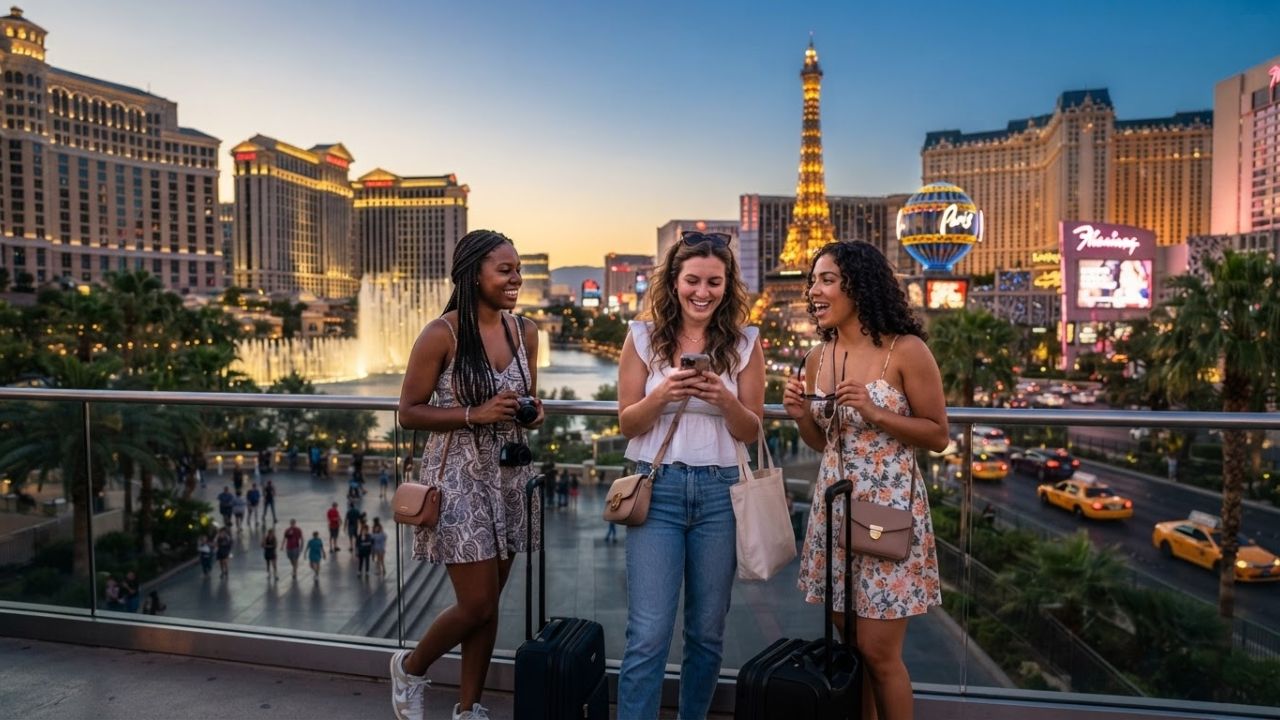
Image generated by AI
US travelers are reshaping the tourism sector in 2026 by choosing micro-vacations over long annual holidays, with nearly 63 percent planning multiple short escapes. Driven by rising travel costs and tight schedules, these quick one-to-three-day breaks are transforming cities like Las Vegas and Savannah into premium weekend hubs.
The Micro-Vacation Shift: Statistics and Spontaneous Escapes
The domestic travel sector in the United States is experiencing a transition as travelers adapt their booking habits. Instead of planning single, extended summer holidays, travelers are opting for shorter and more frequent trips lasting one to three days.
By establishing these seasonal travel corridors, the airline's management aims to support both business and leisure travel flows. Corporate travelers and travel agencies, which maintain strong relationships with global destination management organizations, benefit from direct seat capacity. This economic integration supports the travel sector, providing service providers with a reliable channel for high-value bookings.
By establishing these seasonal travel corridors, the airline's management aims to support both business and leisure travel flows. Canadian corporate travelers and travel agencies, which maintain strong relationships with European and Asian destination management organizations, would benefit from direct seat capacity. This economic integration supports the travel sector, providing service providers with a reliable channel for high-value bookings.
By establishing these seasonal travel corridors, the airline's management aims to support both business and leisure travel flows. Canadian corporate travelers and travel agencies, which maintain strong relationships with European and Asian destination management organizations, would benefit from direct seat capacity. This economic integration supports the travel sector, providing service providers with a reliable channel for high-value bookings.
A study by KAYAK indicates that nearly 63 percent of U.S. travelers planned multiple short trips in 2026. This is supported by hotel search data, with queries for one-to-three-night stays rising by 13 percent in one year. Social media engagement has also increased, with usage of the weekend getaway tag on TikTok jumping by 60 percent.
This shift is popular among younger demographics. According to Enterprise, 47 percent of travelers planned more short getaways this summer than last year, while 40 percent preferred these quick breaks over a single long vacation.
Las Vegas and Savannah: Premium 48 to 72-Hour Frameworks
To accommodate the demand for short stays, major cities are developing customized visitor guides.
This localized disruption also offers a unique opportunity for duty-free retailers and terminal operators to design services suited for stranded passengers. By monitoring passenger comfort levels during long delays, airport customer teams can provide complimentary amenities to ensure guest satisfaction. This proactive approach helps build traveler confidence, ensuring that regional transit routes remain competitive with global hub standards.
This localized disruption also offers a unique opportunity for duty-free retailers and terminal operators to design services suited for stranded passengers. By monitoring passenger comfort levels during long delays, airport customer teams can provide complimentary amenities to ensure guest satisfaction. This proactive approach helps build traveler confidence, ensuring that regional transit routes remain competitive with global hub standards.
Las Vegas has designed its tourism framework to support short-stay travelers, publishing a dedicated 48-hour guide in February 2026. The city promotes itself as a destination where visitors can access dining, entertainment, shopping, and nightlife within a compact area.
In contrast, Savannah, Georgia, promotes a slower three-day escape. The local tourism authority has developed three-night family itineraries and three-day romantic guides, utilizing the city's historic streets, parks, and waterfront to provide a complete experience within three to four days.
St. George, Tacoma, and Asheville: Nature and Soft Adventure
The micro-vacation trend has also increased interest in secondary cities that connect outdoor activities with comfortable amenities.
This environmental focus is supported by regional climatologists and conservationists who monitor ecosystem health. By tracking tourist footprint signals, managers can ensure that natural areas remain protected. The integration of carrying-capacity policies with wilderness trails demonstrates how tourism planning can protect biodiversity while offering high-quality educational hikes.
This localized culinary focus also offers a unique opportunity for restaurant associations and culinary schools to design programs suited for premium travelers. By monitoring passenger dining preferences during long stays, local chefs can provide customized dishes to ensure guest satisfaction. This proactive approach helps build traveler confidence, ensuring that Canadian urban dining remains competitive with global culinary standards.
This localized culinary focus also offers a unique opportunity for restaurant associations and culinary schools to design programs suited for premium travelers. By monitoring passenger dining preferences during long stays, local chefs can provide customized dishes to ensure guest satisfaction. This proactive approach helps build traveler confidence, ensuring that Canadian urban dining remains competitive with global culinary standards.
Expedia's 2026 summer data highlights St. George, Utah, as the fastest-growing U.S. destination, with search volumes increasing by 125 percent year-over-year. The destination provides access to red-rock canyon hiking and outdoor recreation without requiring a week-long commitment.
Similarly, Tacoma, Washington, recorded a 120 percent increase in summer searches, serving as a base for visitors exploring Mount Rainier and Olympic National Park.
In North Carolina, Asheville saw an 80 percent rise in searches, attracting travelers seeking a mix of mountain hiking and local craft breweries, a trend defined as soft adventure.
Community Support and Sustainable Travel Dispersal
Directing travelers to secondary cities and regional destinations helps distribute tourism revenue to local communities.
By choosing micro-vacations in smaller hubs, travelers support family-owned hotels, local restaurants, and regional agricultural businesses. This reduces the economic pressure on over-visited metropolitan areas and helps preserve the historic and natural character of regional communities.
Travelers can also reduce their carbon footprint by opting for regional road trips or using public transport links rather than long-haul flights.
Visitor Guide: Regional Dining, Airport Transit, and Booking Strategies
Maximizing a short 72-hour getaway involves coordinating airport transit, booking reservations in advance, and experiencing regional culinary specialties.
Sample traditional culinary specialties during your stay. In Las Vegas, book celebrity chef dining options along the Strip. In Savannah, try classic Lowcountry shrimp and grits at The Public Kitchen & Bar or Huey's on the River, and buy sweet pecan pralines at local confectioneries. In Asheville, enjoy giant southern biscuits at Biscuit Head or ButterPunk AVL, paired with local craft IPAs.
Coordinate your airport transit options. At Harry Reid International Airport in Las Vegas, take the RTC Centennial Express (CX) bus directly to the Strip for a single-ride fare of 2 USD. At Savannah/Hilton Head International Airport, note that the 100X Airport Express bus is suspended; use rideshare options like Uber or Lyft for a fare of 15 to 25 USD to reach downtown.
Book travel details in advance. Use online reservation systems for popular dining spots and entertainment tickets before arrival to save time during your stay. Pack with a carry-on bag to avoid checked luggage queues and transit delays at regional terminals.
Future Outlook: Rebuilding a Resilient American Travel Corridor
The long-term development of the U.S. domestic tourism sector depends on balancing travel growth with community needs. Tourism authorities and municipal boards are collaborating to develop new promotional channels.
Sustainable initiatives include building electric vehicle charging networks, supporting regional airport links, and promoting local cultural heritage guides. By combining flexible vacation itineraries with community-led development, U.S. destinations aim to improve the visitor experience, securing a connected and resilient future for domestic travel.
Related Travel Guides
Disclaimer
This article is for informational and educational purposes only. It does not constitute legal, financial, or professional advice. While we strive to provide accurate and up-to-date information, travel policies, regulations, and conditions change rapidly. Always verify information with official sources before making travel decisions. Nomad Lawyer makes no representations about the accuracy, reliability, completeness, or suitability of the information provided. Readers should consult qualified professionals for advice specific to their circumstances. The views expressed in this article are those of the author and do not necessarily reflect the views of Nomad Lawyer.
Kunal K Choudhary
Co-Founder & Contributor
A passionate traveller and tech enthusiast. Kunal contributes to the vision and growth of Nomad Lawyer, bringing fresh perspectives and driving the community forward.
Learn more about our team →