
UAE Stands with Bahrain, Saudi Arabia, Qatar, Oman and Kuwait for New GCC Grand Tours Visa With Q4 2026 Pilot Air Corridor and Single Immigration Clearance: Could This Transform Multi-Country Gulf Tourism in 2027?
UAE, Bahrain, Saudi Arabia, Qatar, Oman, and Kuwait to launch GCC Grand Tours Visa. Pilot air corridor begins Q4 2026 wi

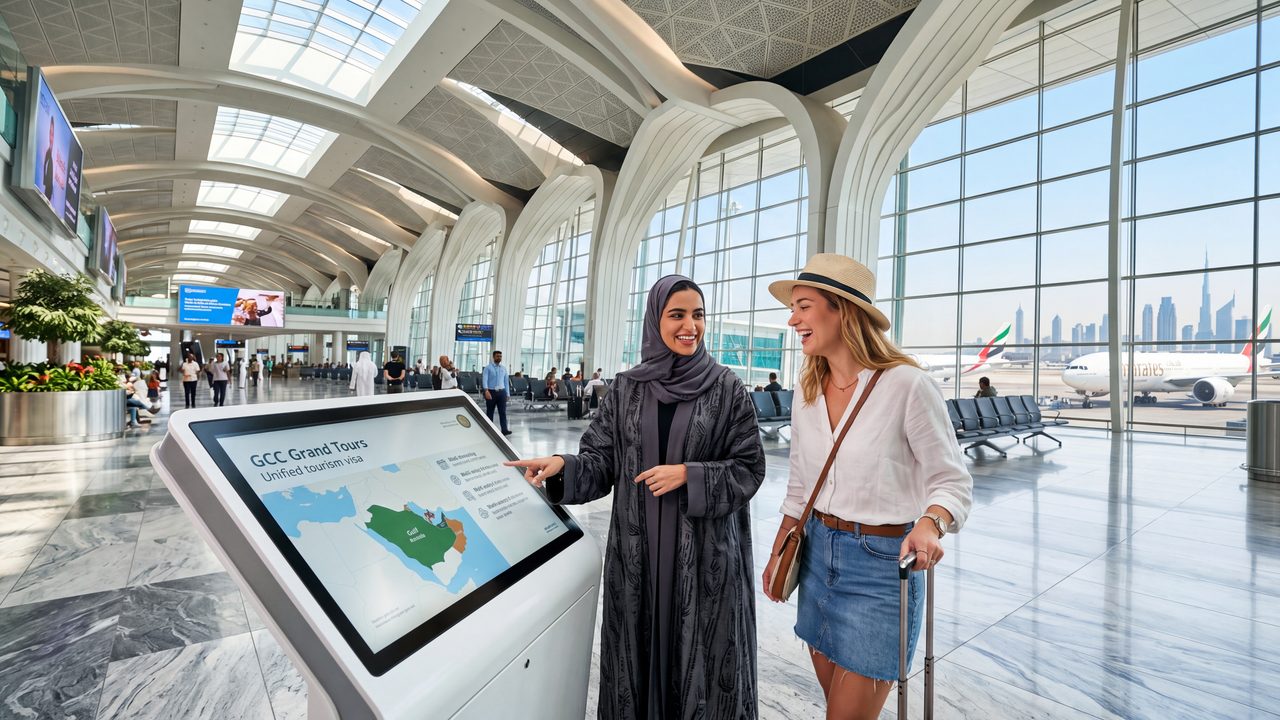
Image generated by AI
[Dubai, June 27, 2026] — The United Arab Emirates, Bahrain, Saudi Arabia, Qatar, Oman, and Kuwait are launching a phased rollout of the GCC Unified Grand Tours Visa to enable seamless multi-country travel across the Gulf. A critical pilot air corridor between the UAE and Bahrain is scheduled for the fourth quarter of 2026, introducing a single immigration clearance system to reduce border friction for international visitors.
Regional Integration Strategy for Gulf Tourism
The Gulf Cooperation Council (GCC) nations are transitioning toward a unified tourism framework designed to mirror the European Schengen area. By replacing multiple national permits with a single authorization, the member states aim to increase the duration of international visits and encourage travelers to explore the region as a connected destination rather than isolated stops.
Industry sources indicate that the initiative is the result of multi-year discussions among member states seeking to bolster regional cooperation. The strategy focuses on removing administrative barriers that previously required tourists to apply for separate visas depending on their nationality and specific itinerary.
UAE and Bahrain to Lead Q4 2026 Pilot Phase
The first operational stage of the Grand Tours Visa will manifest as a dedicated air corridor linking the UAE and Bahrain from October to December 2026. This pilot phase serves as a technical proving ground to test digital verification mechanisms and immigration coordination between the two nations.
Under this framework, eligible passengers will undergo immigration processing only once upon entry. After this initial clearance, travelers can move between the UAE and Bahrain using streamlined border procedures. Major aviation hubs in Dubai, Abu Dhabi, and Manama are expected to anchor this trial due to their advanced tourism infrastructure and high passenger volumes.
Expansion to Saudi Arabia, Qatar, Oman, and Kuwait
Following the evaluation of the UAE-Bahrain corridor, the program is slated for wider integration. Reports suggest that Saudi Arabia, Qatar, Oman, and Kuwait will be integrated into the system in early 2027.
This expansion will allow a traveler arriving in a city like Dubai to proceed to Riyadh, Doha, Muscat, or Kuwait City under the same travel authorization. The phased approach ensures that officials can refine processing efficiency and cross-border security protocols before the full six-nation network goes live.
Transforming the Multi-Destination Travel Experience
The unified visa framework is expected to shift the regional tourism model toward comprehensive itineraries. Instead of single-city trips, visitors can now feasibly combine diverse experiences across the peninsula:
- UAE: Modern urbanism, luxury shopping, and theme parks in Dubai and Abu Dhabi.
- Saudi Arabia: Ancient heritage sites and massive new cultural developments.
- Qatar: World-class sporting infrastructure, museums, and business hubs.
- Bahrain: Island tourism and historical waterfronts.
- Oman: Rugged mountains, desert landscapes, and coastal retreats.
- Kuwait: Urban cultural venues and metropolitan attractions.
This connectivity allows tour operators and travel agencies to create integrated "Grand Tour" packages, making the Gulf a more competitive alternative to other global regional tourism hubs.
Visa Costs and Permitted Duration of Stay
Current planning documents outline a specific pricing and validity structure for the multi-country visa tier to ensure it remains attractive to long-haul tourists and business travelers.
| Feature | Detail |
|---|---|
| Estimated Cost (USD) | $110 – $130 |
| Estimated Cost (AED) | 400 – 480 |
| Stay Duration | 60 to 90 days |
| Entry Type | Multiple-entry |
| Participating Nations | UAE, Bahrain, Saudi Arabia, Qatar, Oman, Kuwait |
The 60-to-90-day window is specifically designed to accommodate cruise passengers and leisure travelers who intend to spend several weeks traversing the region.
Aviation and Hospitality Sector Impact
The aviation industry stands as a primary beneficiary of this policy. With major hubs such as Dubai International, Hamad International in Doha, and Muscat International already connecting the region to the world, a unified permit removes the "visa anxiety" that often prevents passengers from adding a second or third GCC destination to their ticket. This is expected to drive a surge in regional short-haul flight demand.
Similarly, the hospitality sector is preparing for a shift in guest demographics. Longer itineraries mean increased spending on accommodation, dining, and local transport across a wider geographic area. Resorts in Oman or heritage hotels in Saudi Arabia may see an uptick in arrivals from travelers who originally entered the region via the UAE or Qatar.
Implementation Timeline and Milestones
The path to full regional connectivity follows a strict chronological sequence to ensure stability and security.
- Conceptual Phase: GCC states align on the need for a unified tourism visa.
- Approval Phase: Phased implementation strategy for the Grand Tours Visa is ratified.
- Pilot Phase (Q4 2026): Launch of the UAE-Bahrain air corridor (October–December).
- Full Integration (Early 2027): Inclusion of Saudi Arabia, Qatar, Oman, and Kuwait into the unified system.
Why This Matters (Information Gain)
The GCC Grand Tours Visa is more than a simple administrative change; it is a strategic economic pivot. By treating six sovereign nations as a single tourism zone, the GCC is effectively creating a "super-destination."
From an aviation perspective, this reduces the "leakage" of tourists who typically visit one hub and then fly home. Instead, it creates a circular economy of movement within the Gulf. For the global travel industry, this mirrors the success of the Schengen Area by lowering the "cost of entry"—not just financially, but in terms of time and bureaucracy. This move signals a transition from competitive tourism (where nations compete for the same visitor) to collaborative tourism (where nations share the visitor), significantly increasing the total regional tourism GDP.
Related Travel Guides
Disclaimer
This article is for informational and educational purposes only. It does not constitute legal, financial, or professional advice. While we strive to provide accurate and up-to-date information, travel policies, regulations, and conditions change rapidly. Always verify information with official sources before making travel decisions. Nomad Lawyer makes no representations about the accuracy, reliability, completeness, or suitability of the information provided. Readers should consult qualified professionals for advice specific to their circumstances. The views expressed in this article are those of the author and do not necessarily reflect the views of Nomad Lawyer.
Preeti Gunjan
Contributor & Community Manager
A passionate traveller and community builder. Preeti helps grow the Nomad Lawyer community, fostering engagement and bringing the reader experience to life.
Learn more about our team →