
Vietnam Emerges as Southeast Asia’s New Travel Powerhouse
Vietnam emerges as a Southeast Asian travel powerhouse driven by e-visa expansions, culinary tourism, and a shift toward

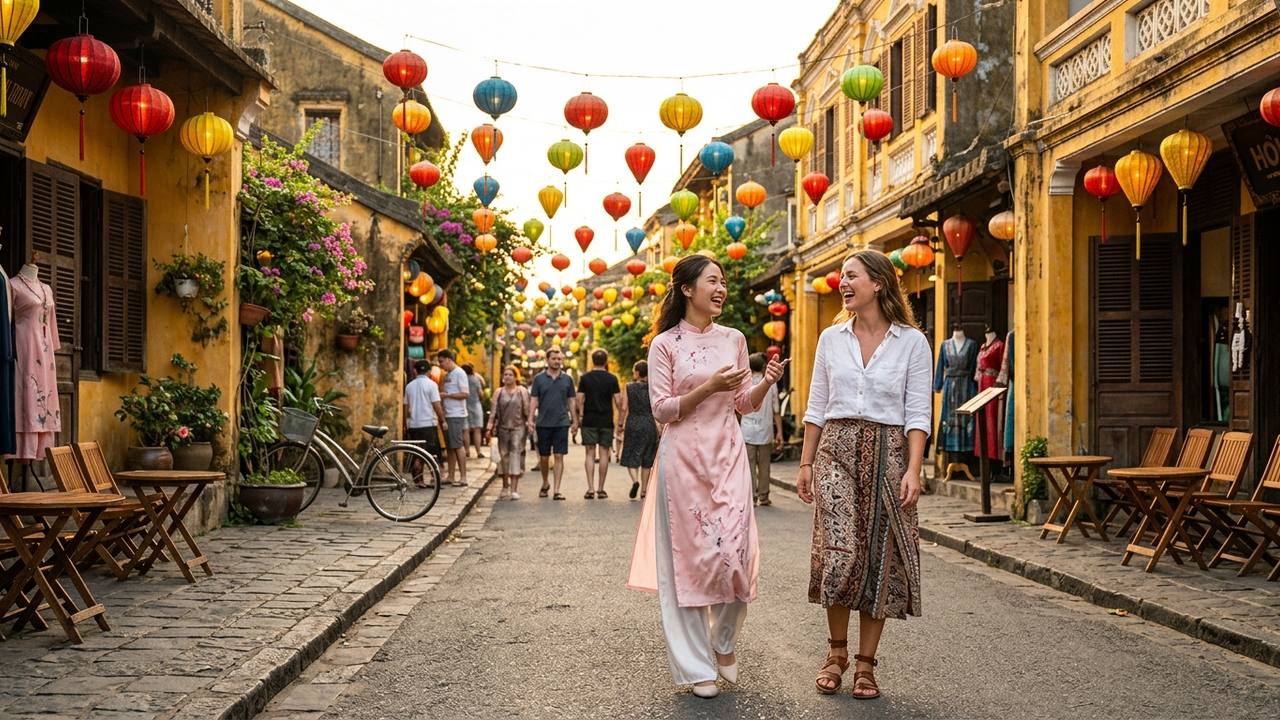
Image generated by AI
Vietnam is rapidly ascending as a primary destination in Southeast Asia, transitioning from a regional stopover to a primary travel hub. This growth is fueled by aggressive visa liberalization and a diversification of high-interest tourist zones.
The Core Development
Vietnam has successfully repositioned its tourism value proposition by lowering barriers to entry and expanding its appeal beyond the traditional urban centers of Hanoi and Ho Chi Minh City. The government's shift toward flexible travel policies—specifically the expansion of electronic visas and longer validity periods—has fundamentally altered visitor behavior, encouraging longer stays and higher spend per tourist.
Industry data indicates a clear trend: global travelers are now prioritizing authentic, multi-regional itineraries that blend luxury infrastructure with raw cultural experiences.
Key Facts Breakdown
- Visa Liberalization: Expanded e-visa facilities and extended validity periods have shifted travel patterns from short-term visits to extended holidays.
- Geographic Diversification:
- Da Nang: Now a primary coastal hub blending urban luxury with beach access.
- Phu Quoc: Emerging as a top-tier destination for luxury island resorts.
- Sa Pa: Driving growth in the northern highlands via trekking and cultural tourism.
- Ninh Binh: Gaining traction for its limestone landscapes and historical significance.
- Culinary Integration: Food tourism is no longer a side activity but a primary itinerary driver, with a specific surge in demand for regional street food and coffee culture.
- Economic Accessibility: A tiered pricing model allows the country to capture both the budget-conscious backpacker market and the high-end luxury segment.
- Digital Catalyst: Social media and content creators are actively shifting demand toward "hidden" destinations and off-the-beaten-path interactions.
Regional Destination Profile
| Region | Primary Appeal | Key Locations |
|---|---|---|
| North | Mountains, Culture, Tradition | Hanoi, Sa Pa |
| Central | Beaches, History, Urban Luxury | Da Nang, Ninh Binh |
| South | Modern Cities, River Delta, Islands | Ho Chi Minh City, Phu Quoc |
Why This Matters (Analysis)
The transformation of Vietnam's tourism sector represents a strategic shift in the Southeast Asian competitive landscape. While neighboring markets often rely on a few "mega-attractions," Vietnam is successfully distributing its tourist load across a wider geographic area.
By simplifying the visa process, Vietnam is specifically targeting the "digital nomad" and "slow travel" demographics. This is a critical move; these travelers provide more stable, long-term revenue streams compared to the volatile short-term tour group market. Furthermore, the integration of "Food Tourism" as a core pillar creates a high-frequency engagement model where visitors explore multiple districts to find specific culinary experiences, thereby increasing local economic impact across various provinces.
Industry Outlook
Expect a continued surge in infrastructure investment specifically targeting the "secondary cities" mentioned above. As the market matures, the focus will likely shift from increasing raw visitor numbers to increasing the "average length of stay." We anticipate further integration of digital travel tools to manage the flow of tourists into rural areas like Sa Pa and Ninh Binh to prevent over-tourism while maintaining the "authentic" appeal that currently drives global demand.
Related Travel Guides
Disclaimer
This article is for informational and educational purposes only. It does not constitute legal, financial, or professional advice. While we strive to provide accurate and up-to-date information, travel policies, regulations, and conditions change rapidly. Always verify information with official sources before making travel decisions. Nomad Lawyer makes no representations about the accuracy, reliability, completeness, or suitability of the information provided. Readers should consult qualified professionals for advice specific to their circumstances. The views expressed in this article are those of the author and do not necessarily reflect the views of Nomad Lawyer.
Preeti Gunjan
Contributor & Community Manager
A passionate traveller and community builder. Preeti helps grow the Nomad Lawyer community, fostering engagement and bringing the reader experience to life.
Learn more about our team →