
UAE Streamlines Entry Access for Key Southeast Asian Markets
The UAE introduces simplified entry procedures for Southeast Asian travelers to boost tourism and strengthen aviation co

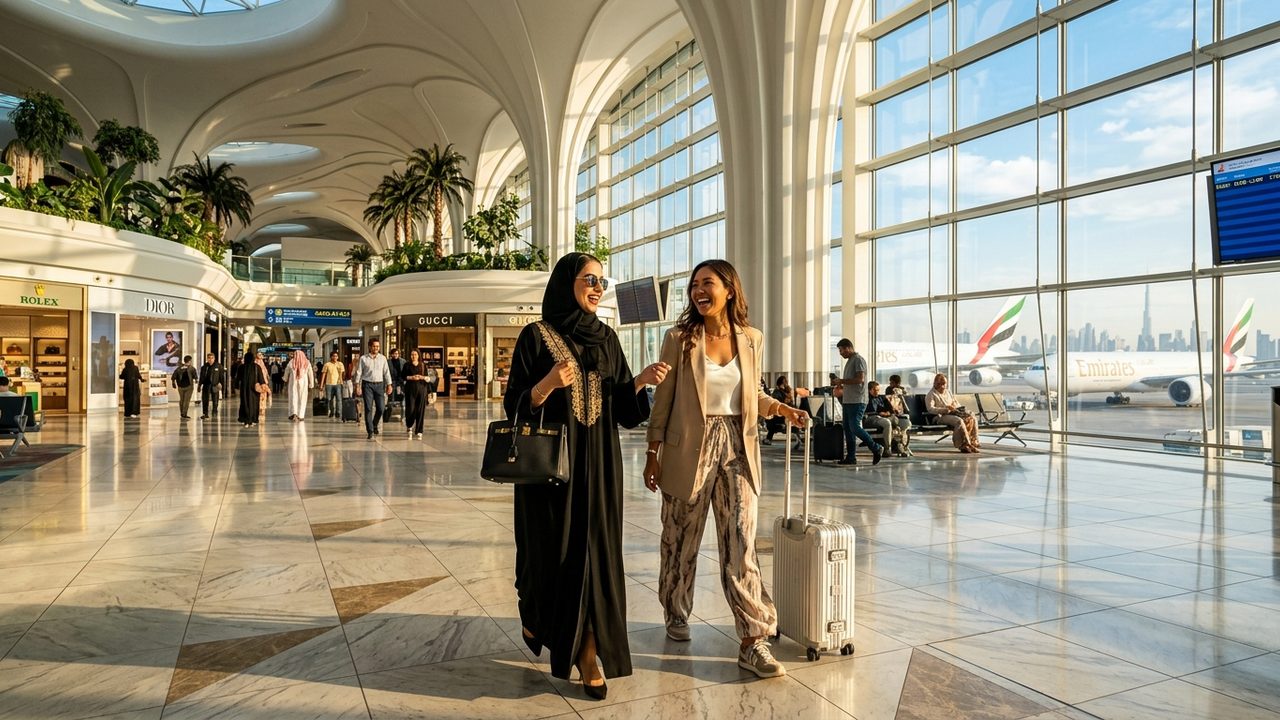
Image generated by AI
The United Arab Emirates has implemented a simplified entry framework for visitors from Indonesia, the Philippines, Thailand, and Vietnam. This strategic pivot aims to eliminate travel friction and capture the accelerating outbound demand from high-growth ASEAN economies.
The Core Development
The UAE has officially updated its entry protocols to facilitate smoother access for nationals of four Southeast Asian countries. This policy shift is not a mere administrative change but a targeted effort to widen the "tourism funnel" for leisure, business, and transit travelers. By reducing documentation barriers, the UAE intends to solidify its position as the primary aviation gateway between Asia, Europe, and Africa.
Key Facts Breakdown
- Target Nations: Indonesia, Philippines, Thailand, and Vietnam.
- Primary Objective: Reduction of border friction to increase inbound visitor volumes.
- Strategic Focus: Targeting the rising middle-class demographic and expanding outbound travel appetite in Southeast Asia.
- Infrastructure Leverage: Utilizing Dubai International and Abu Dhabi’s aviation networks to convert transit passengers into short-stay tourists.
- Diplomatic Intent: Using tourism as a tool to strengthen bilateral economic and political ties with ASEAN member states.
Market Analysis by Region
| Country | Strategic Value | Primary Travel Drivers |
|---|---|---|
| Indonesia | High growth outbound potential | Luxury travel, city breaks, and transit stopovers. |
| Philippines | Strong existing labor/social ties | VFR (Visiting Friends and Relatives), shopping, and leisure. |
| Thailand | Mutual tourism powerhouse | Premium experiences, luxury shopping, and youth travel. |
| Vietnam | Emerging middle-class market | First-time international travel and architectural tourism. |
Why This Matters
Industry observers note that this move signals a shift from seasonal tourism reliance to a year-round mobility model. For the UAE, the goal is "Information Gain" in the global competition for transit hubs; by simplifying entry, they are effectively lowering the "cost of entry" (in terms of time and effort) compared to other regional competitors.
Our analysis suggests this is a calculated play for market share. Southeast Asia is currently one of the most dynamic outbound regions globally. By removing bureaucratic hurdles, the UAE is not just attracting tourists but is securing long-term loyalty from the "newly mobile" middle class of Vietnam and Indonesia. Furthermore, for the Philippines, this leverages existing diaspora networks to convert labor mobility into sustainable tourism revenue.
Industry Outlook
Expect a measurable increase in bilateral aviation capacity between Jakarta, Manila, Bangkok, and Hanoi and the UAE hubs. As administrative friction drops, airline carriers will likely increase flight frequencies to meet the anticipated surge in short-stay visits. The next phase of this strategy will likely involve deeper integrated tourism packages and expanded "stopover" incentives to ensure the UAE remains the preferred pivot point for ASEAN travelers heading West.
Related Travel Guides
Disclaimer
This article is for informational and educational purposes only. It does not constitute legal, financial, or professional advice. While we strive to provide accurate and up-to-date information, travel policies, regulations, and conditions change rapidly. Always verify information with official sources before making travel decisions. Nomad Lawyer makes no representations about the accuracy, reliability, completeness, or suitability of the information provided. Readers should consult qualified professionals for advice specific to their circumstances. The views expressed in this article are those of the author and do not necessarily reflect the views of Nomad Lawyer.
Preeti Gunjan
Contributor & Community Manager
A passionate traveller and community builder. Preeti helps grow the Nomad Lawyer community, fostering engagement and bringing the reader experience to life.
Learn more about our team →