
UAE Set to See New Tourism Boost as Dubai Safari Park Unveils Wildlife Experiences and Royal Adventures
Dubai Safari Park reopens October 12 with its Live More Wild Life platform, the exclusive Royal Safari Experience, and major conservation milestones in Al Warqa.

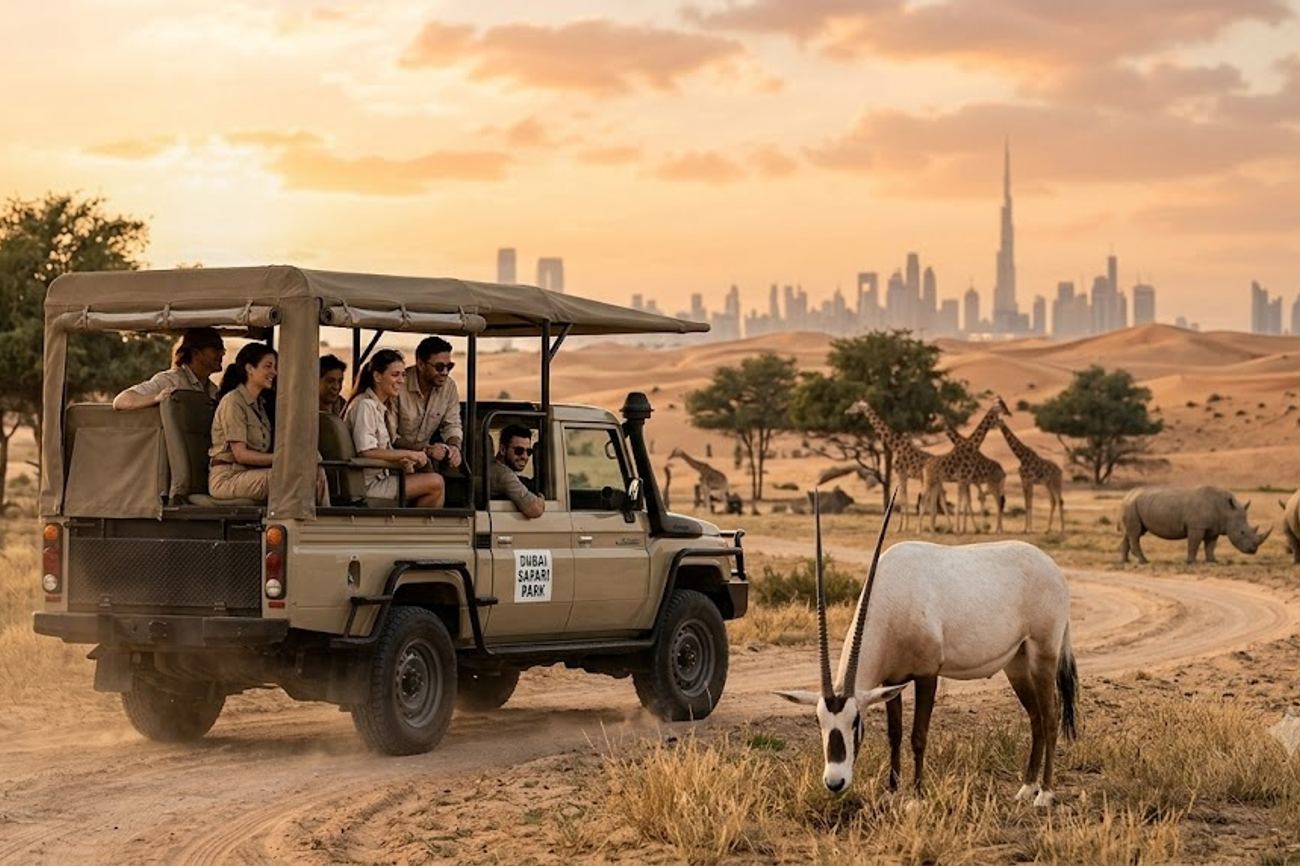
Image generated by AI
While most international visitors associate Dubai solely with soaring glass spires and coastal glamour, 62 per cent of weekday travelers at the city's eastern wildlife reserve arrive through dedicated travel trade partnerships. When Dubai Safari Park officially reopens on October 12, it inaugurates an operating season anchored by its new "Live More Wild Life" platform. Far from functioning as an ordinary municipal animal park, this expansive 119-hectare sanctuary in Al Warqa 5 is establishing itself as a premier biological learning ground and high-end ecotourism destination, supported by a 26 per cent surge in business-to-business revenue and a 16 per cent year-on-year increase in commercial ticket sales across its preceding operational run.
The "Live More Wild Life" Evolution in Al Warqa
The seasonal reopening on October 12 represents far more than an annual calendar restart for the United Arab Emirates. Through the newly unveiled "Live More Wild Life" framework, Dubai Safari Park is moving away from passive viewing toward an ethos centered on biological literacy, ethical engagement, and active environmental discovery. The strategic pivot reflects a nationwide initiative steered alongside Visit Dubai to expand visitor itineraries beyond urban centers into authentic nature-based journeys.
The reimagined platform is structured around four distinct operational themes:
- Wildlife Discovery: Hands-on exploration across dedicated biomes that encourages travelers to observe natural animal behaviors while learning the evolutionary adaptations of varied global species.
- Conservation Education: Structured academic and community initiatives highlighting the vulnerability of delicate habitats and the urgent need to protect endangered wildlife.
- Nature Experiences: Experiential pathways and sensory encounters designed to restore a connection between travelers and the natural desert environment.
- Immersive Attractions: Interactive, ethically managed animal presentations and observational activities that deepen traveler understanding without disrupting natural routines.
To address expanding international appetite for curated luxury, the park is introducing the Royal Safari Experience. This premium, four-hour private guided tour accommodates groups of up to 10 guests, offering an exclusive way to explore the expansive reserve. Participants receive VIP treatment, dedicated vehicular transfers, reserved seating at presentations, and personalized natural history commentary from senior conservation guides. By combining private exploration with bespoke service, the tour captures the growing demographic seeking exclusivity paired with meaningful ecological purpose.
What Makes Dubai Safari Park Different
The sheer engineering behind Dubai Safari Park sets it apart from conventional zoological institutions worldwide. Built atop an extensively remediated landfill in Al Warqa 5, the development converted discarded municipal ground into a thriving desert sanctuary. Powered in significant part by renewable energy and utilizing recycled irrigation networks, the facility proves that rigorous ecological design can thrive in the arid Arabian desert.
Central to the sanctuary's scientific credibility is its formal accreditation by the World Association of Zoos and Aquariums (WAZA) and the European Association of Zoos and Aquaria (EAZA). These memberships mandate adherence to strict international animal welfare standards, ethical breeding protocols, and advanced veterinary care, establishing the park as an authentic center for species protection.
That commitment is highlighted by the arrival of a Southern White Rhino, an animal classified internationally as Near Threatened. This species addition bolsters ongoing preservation strategies designed to safeguard vulnerable gene pools. During its preceding operating cycle, the facility also welcomed 143 newborn animals across multiple species. Each birth represents a milestone for the park's specialized staff, who recreate native microclimates and specific diets to encourage natural reproduction.
The sanctuary is organized into thematic zones: the African Village, Asian Village, Arabian Desert Safari, Explorer Village, and the Valley. In each district, visual barriers are minimized through water moats, sunken viewing areas, and desert rock formations, granting guests an uninhibited look into authentic animal behaviors.
Visitor Insider Tips
Experiencing this sprawling sanctuary requires thoughtful preparation, especially given the transition between seasonal heat and winter breezes.
- Ideal Timing and Crowd Navigation: Animal activity follows the sun. The morning window between 9:00 AM and 11:30 AM is when big cats, African elephants, and primates are at their most energetic before midday heat sets in. By noon, predators retreat into shaded burrows, only regaining activity during the golden hour from 3:30 PM until sunset. Because weekday commercial tours account for 62 per cent of attendance, arriving at the 9:00 AM gate opening on a Tuesday or Wednesday allows you to explore the safari drive before tour buses arrive.
- Transit and Route Logistics: The sanctuary is situated in Al Warqa 5 along Al Awir Road (E44) and Sheikh Mohammed Bin Zayed Road (E311). The most efficient public route is taking the Dubai Metro to Centrepoint Station (formerly Rashidiya), where an authorized RTA taxi or Careem reaches the park entrance in approximately 11 minutes. Self-drive visitors will find shaded parking areas equipped with electric vehicle charging stations near the main visitor center.
- Cultural Etiquette and Comfort: Modest, respectful attire covering shoulders and knees aligns with UAE community norms. Loose-fitting linen shirts, breathable cotton trousers, and UV-blocking sunglasses provide protection against desert sun. While solar-powered trams link primary villages, you will easily walk five to eight kilometers along internal paths. Closed-toe walking shoes are essential. Carry an insulated water bottle to use free chilled refill stations located throughout the grounds.
- Authentic Neighborhood Stays and Regional Bites: Base yourself in historic Dubai Creek Harbour, Dubai Festival City, or quiet residential Mirdif to keep transit to Al Warqa under 20 minutes. After your wildlife excursion, bypass generic park fast food and explore local eateries in neighboring Al Warqa or Uptown Mirdif. Savor traditional Emirati staples like fragrant lamb machboos, slow-cooked harees, or warm regag bread paired with cardamom-infused karak tea.
Cultural and Environmental Context
Wildlife tourism in the Arabian Peninsula is intimately intertwined with ancient regional identity. For centuries, Bedouin communities traversed these arid expanses relying on an encyclopedic knowledge of indigenous species, from desert gazelles to revered Arabian oryx and hunting falcons. Animals were not viewed as curiosities, but as vital companions and symbols of endurance across demanding terrain. The evolution of Dubai Safari Park bridges this historical respect with modern conservation science.
This conservation vision directly aligns with shifting international travel patterns. The park is expanding targeted outreach across priority source markets, with focused initiatives throughout India, Russia, and Commonwealth of Independent States (CIS) territories. India continues to represent an essential travel corridor for the UAE, characterized by multi-generational families seeking immersive holidays that blend luxury hospitality with rich educational content for younger travelers.
Operating a massive animal sanctuary in an arid climate poses real environmental challenges, particularly regarding summer heat and water conservation. Dubai Safari Park answers this challenge by utilizing intelligent misting systems, cooled shelters, underground irrigation, and bio-filtered water recycling. By demonstrating how a metropolis can rehabilitate land, protect animal welfare, and operate sustainable habitats in the desert, the park provides an enduring model for responsible regional tourism.
FAQ: Visiting Dubai Safari Park 2026
When does Dubai Safari Park reopen for the upcoming season? The park officially welcomes visitors starting October 12, debuting its comprehensive "Live More Wild Life" platform, expanded educational zones, and seasonal safari experiences.
What does the Royal Safari Experience include? The Royal Safari is an exclusive four-hour guided tour for groups of up to 10 guests. It includes VIP services, dedicated vehicular travel, reserved seating at presentations, and private natural history guides.
What new animal additions can guests see this season? Visitors can see the recently introduced Southern White Rhino, a Near Threatened species, alongside 143 newborn animals welcomed during the sanctuary's recent successful breeding cycle.
How do I get to Dubai Safari Park using public transit? Ride the Dubai Metro to Centrepoint Station in Rashidiya, then catch an authorized RTA taxi or Careem for an 11-minute drive straight to the main visitor entrance in Al Warqa 5.
Dubai continues to prove that genuine luxury in the Arabian Peninsula lies not only in gleaming architecture, but in purposeful stewardship of our shared natural world.
Related Travel Guides
Disclaimer
This article is for informational and educational purposes only. It does not constitute legal, financial, or professional advice. While we strive to provide accurate and up-to-date information, travel policies, regulations, and conditions change rapidly. Always verify information with official sources before making travel decisions. Nomad Lawyer makes no representations about the accuracy, reliability, completeness, or suitability of the information provided. Readers should consult qualified professionals for advice specific to their circumstances. The views expressed in this article are those of the author and do not necessarily reflect the views of Nomad Lawyer.
Preeti Gunjan
Contributor & Community Manager
A passionate traveller and community builder. Preeti helps grow the Nomad Lawyer community, fostering engagement and bringing the reader experience to life.
Learn more about our team →