
Typhoon Krovanh Triggers Heavy Rain Warnings Across Eastern Japan
Typhoon Krovanh brings heavy rain warnings to Tokyo, Mount Fuji, and Nagoya. Check rainfall totals, affected prefectures, and transit logistics updates.

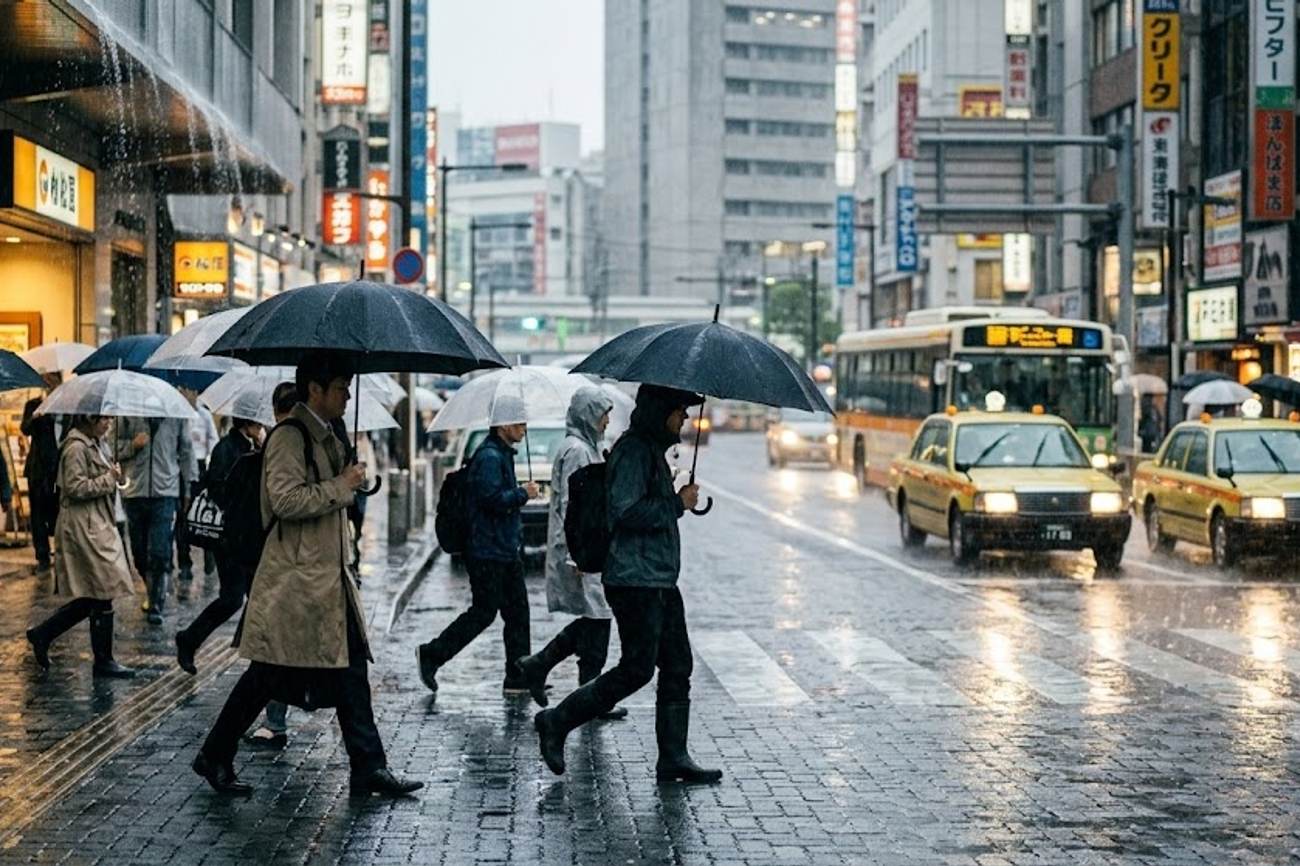
Image generated by AI
The Japan Meteorological Agency (JMA) has issued a high-alert weather warning on September 6, 2026, as Typhoon Krovanh interacts with a seasonal weather front. This atmospheric combination has generated a "linear rainband"—a concentrated corridor of intense precipitation capable of delivering extreme rainfall to localized areas over several hours.
The weather system is directly impacting the Kanto and Tokai regions, threatening critical transit arteries and primary tourism hubs. The JMA warns of a high probability of swollen rivers, landslides, and urban flooding, which may lead to the temporary closure of outdoor attractions and disruptions to railway operations.
Regional Impact Zones
The following seven prefectures are under active warning:
- Tokyo, Saitama, Kanagawa, Chiba (Kanto Region)
- Shizuoka, Aichi, Mie (Tokai/Kinki Regions)
In Tokyo, the capital's role as a primary transit gateway means any railway slowdowns will have a cascading effect on domestic travel. In Chiba, the focus remains on Narita International Airport; while airport operations may continue, the road and rail links connecting Narita to central Tokyo are susceptible to delays.
Kanagawa and Shizuoka face higher geological risks. The mountain corridors of Hakone and the slopes surrounding Mount Fuji are particularly vulnerable to landslides. Shizuoka is currently forecasted to be the hardest-hit area, with rainfall totals reaching critical thresholds.
Transit Schedule & Route Specifications
| Region | Affected Primary Hubs | Expected Max Rainfall | Primary Risk Factor |
|---|---|---|---|
| Tokai | Shizuoka, Nagoya (Aichi), Mie | 300 mm | Landslides / River Swelling |
| Kanto-Koshin | Tokyo, Chiba, Kanagawa, Saitama | 250 mm | Urban Flooding / Rail Delays |
| Kinki | Osaka and surrounding areas | 200 mm | Localized Transport Disruptions |
Traveler Logistics Guide
From a ground-level perspective, navigating Japan during a linear rainband event requires a shift from rigid itineraries to real-time monitoring.
1. Airport Transfers (Narita/Haneda): If you are departing via Narita (Chiba), allow an additional 90 to 120 minutes for transit. Heavy rain frequently causes "speed restrictions" on the Narita Express and Keisei Skyliner. Use the JR East Travel Service app for real-time delay notifications.
2. Shinkansen and Regional Rail: The Tokaido Shinkansen line connecting Tokyo, Nagoya, and Osaka is the backbone of regional transit. While the Shinkansen is resilient, extreme rain in Shizuoka often triggers precautionary speed reductions. If your connection in Nagoya is tight, ensure a minimum layover of 60 minutes to account for local feeder train delays.
3. Mountain and Coastal Safety: Avoid hiking trails in Hakone or the Fuji Five Lakes region during this window. Landslide risks in these volcanic soil areas are acute. If you are staying in a ryokan in these areas, confirm road accessibility with your host before attempting to travel.
4. Digital Tools: Download the "Safety tips" app (developed by the Japan Tourism Agency) for English-language push notifications regarding evacuation orders and weather warnings.
Infrastructure Impact Assessment
The convergence of Typhoon Krovanh and the seasonal front puts significant pressure on Japan's drainage infrastructure in the Kanto plain. While Tokyo's underground discharge channels mitigate massive flooding, the "last-mile" transport (taxis and local buses) often stalls during peak rainbands.
Regionally, the threat to the Tokai region disrupts the critical logistics corridor between Tokyo and Osaka. Any prolonged closure of regional roads in Shizuoka or Aichi will likely result in short-term supply chain delays for goods moving across the Honshu mainland.
Related Travel Guides
Disclaimer
This article is for informational and educational purposes only. It does not constitute legal, financial, or professional advice. While we strive to provide accurate and up-to-date information, travel policies, regulations, and conditions change rapidly. Always verify information with official sources before making travel decisions. Nomad Lawyer makes no representations about the accuracy, reliability, completeness, or suitability of the information provided. Readers should consult qualified professionals for advice specific to their circumstances. The views expressed in this article are those of the author and do not necessarily reflect the views of Nomad Lawyer.
Naina Thakur
Contributor & Travel Specialist
Travel enthusiast and legal writer covering visa regulations, responsible tourism, and cultural journeys across global destinations.
Learn more about our team →