
Tuscany Travel Boom 2026: Exploring Hidden Gems Montemerano, Sovana, and Pitigliano
Italy's 2026 tourism shift favors 'slow travel' over checklists, driving growth in hidden Tuscan villages like Montemerano and Pitigliano as travelers seek mindful exploration.

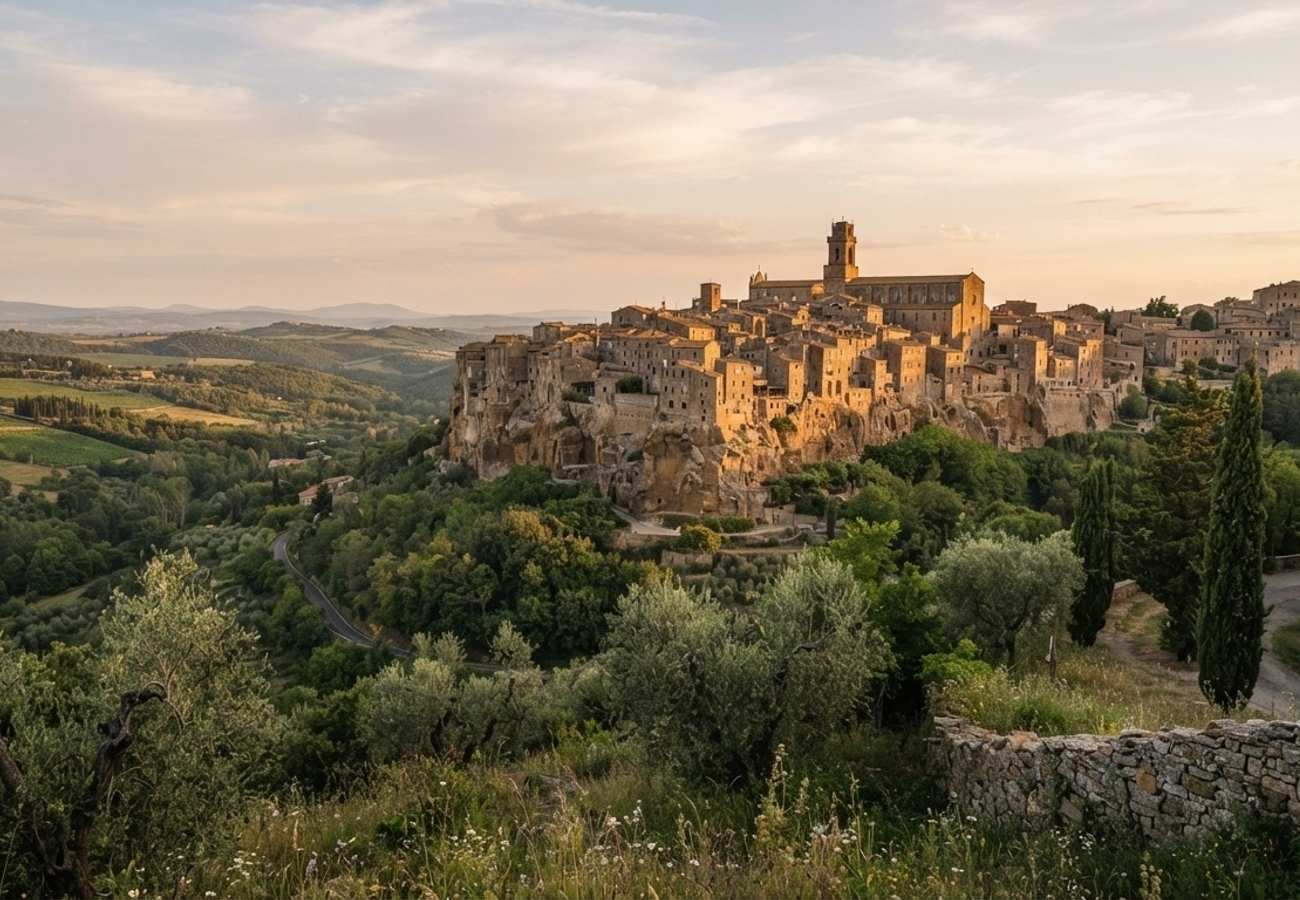
Image generated by AI
The global tourism industry is witnessing a decisive pivot away from high-velocity itineraries toward "intentional exploration," with the hidden villages of Southern Tuscany becoming the primary blueprint for this shift.
The Rise of Intentional Tourism in Rural Italy
The modern travel landscape is undergoing a structural transformation. Travelers are increasingly abandoning the "checklist" approach to tourism—where the goal is to visit as many landmarks as possible—in favor of mindful engagement and slow-paced journeys. This evolution is most evident in the Tuscan hinterlands, specifically within the preserved settlements of Montemerano, Sovana, and Pitigliano.
This shift is not merely a preference for quieter locations but a broader movement toward emotional health and mental clarity. By diverting traffic from overcrowded metropolitan hubs like Florence and Rome, the industry is seeing a redistribution of economic resources toward local artisans, family-run eateries, and independent boutique lodgings. This decentralization reduces environmental degradation and prevents the cultural erosion often associated with mass tourism.
Regional Route Specifications: The Tufa Towns
The architectural allure of these destinations lies in their integration with the natural landscape, specifically the volcanic tufa rock that defines the region's geography.
| Destination | Primary Characteristic | Key Architectural Feature | Travel Vibe |
|---|---|---|---|
| Montemerano | Medieval hilltop village | Preserved stone walls & narrow alleys | Reflective & Quiet |
| Sovana | Ancient Etruscan site | Tufa rock excavations | Historical & Archaeological |
| Pitigliano | "The Little Jerusalem" | Town carved directly into tufa cliffs | Ethereal & Dramatic |
| Sorano | Rugged fortress settlement | Organic rock-integrated masonry | Wild & Untamed |
Traveler Logistics Guide: Navigating the Tuscan Hinterland
From a ground-level perspective, the best way to navigate these "hidden gems" is to abandon rigid schedules. Because these villages are not serviced by high-frequency rail, logistics require specific planning to maintain the "slow travel" ethos.
Transport and Access The most efficient way to reach these locations is via a rental car from Rome or Florence. However, be aware that many of these villages have ZTL (Zona Traffico Limitato) zones. Always park in the designated lots outside the village walls to avoid steep fines and to preserve the pedestrian integrity of the stone passages.
Optimal Layover and Timing To experience the "stillness" described by mindful travelers, avoid the mid-day peak (11:00 AM to 3:00 PM). The most authentic interactions with local residents occur during the early morning hours or the passeggiata (evening stroll). We recommend a minimum stay of two nights in a single village rather than attempting to visit all four in one day.
Digital Transit and Documentation While Italy is integrating more digital services, rural Tuscany still relies heavily on cash for small-scale artisans and family-run cafes. Ensure you have a mix of digital payment methods and Euro banknotes. If traveling from outside the EU in 2026, ensure your ETIAS (European Travel Information and Authorisation System) documentation is updated and digitally accessible to avoid delays at entry points.
Infrastructure and Economic Impact Assessment
The transition toward community-driven tourism is fundamentally changing how regional authorities approach infrastructure. Instead of building large-scale hotels that disrupt the skyline, there is a move toward "wellness hospitality," where entire village communities act as the restorative environment.
This model provides several key benefits:
- Heritage Preservation: Revenue is channeled into maintaining living communities rather than sterile museums.
- Economic Resilience: Small-scale businesses are protected from the volatility of mass-market tourism.
- Environmental Protection: By spreading foot traffic across rural corridors, the physical wear on historical sites is minimized.
The definition of luxury has also shifted. It is no longer measured by opulent consumption but by "structural freedom"—the ability to have the time and guidance to absorb an environment deeply enough to trigger personal transformation.
True luxury in 2026 is the silence of a Tuscan alleyway and the freedom to linger.
Related Travel Guides
Disclaimer
This article is for informational and educational purposes only. It does not constitute legal, financial, or professional advice. While we strive to provide accurate and up-to-date information, travel policies, regulations, and conditions change rapidly. Always verify information with official sources before making travel decisions. Nomad Lawyer makes no representations about the accuracy, reliability, completeness, or suitability of the information provided. Readers should consult qualified professionals for advice specific to their circumstances. The views expressed in this article are those of the author and do not necessarily reflect the views of Nomad Lawyer.
Kunal K Choudhary
Co-Founder & Contributor
A passionate traveller and tech enthusiast. Kunal contributes to the vision and growth of Nomad Lawyer, bringing fresh perspectives and driving the community forward.
Learn more about our team →