
Top Medical Tourism Destinations 2026: Türkiye Ranks Number 1 in Global Healthcare Travel
Türkiye secures the top spot in the 2026 medical tourism rankings, leading a global shift toward specialized international healthcare hubs across Asia, Europe, and the Americas.

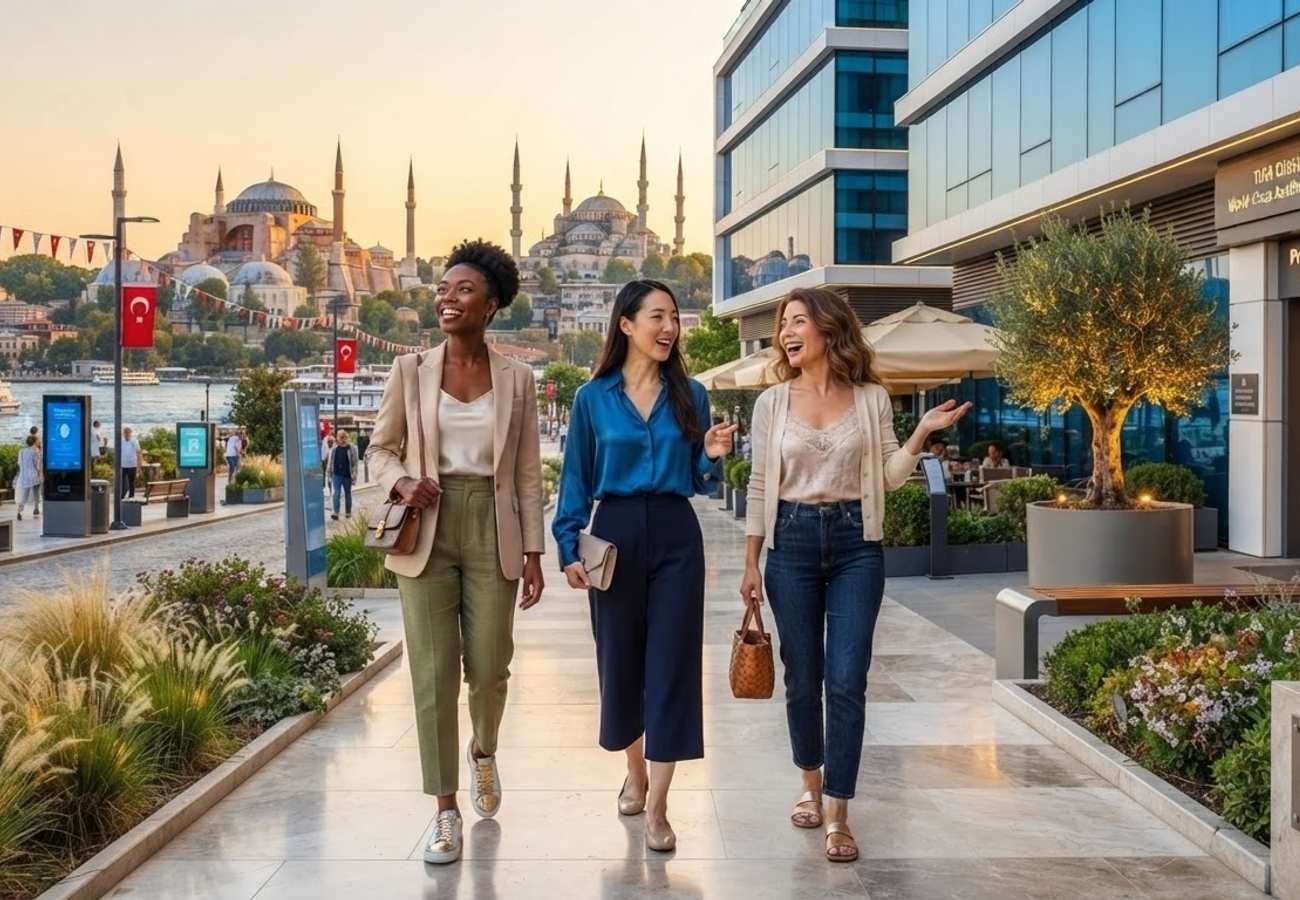
Image generated by AI
The boundaries of healthcare are dissolving as millions of patients now seek specialized medical expertise, shorter wait times, and advanced procedures across international borders. The 2026 rankings for medical tourism destinations reveal a competitive global market where nations are aggressively upgrading their healthcare infrastructure to attract a growing demographic of health travelers.
Türkiye has emerged as the premier destination for medical tourism in 2026, securing the top position. The country is closely followed by Thailand, with other major hubs including India, Mexico, South Korea, Malaysia, and Singapore. This shift indicates a broader trend where patients prioritize a blend of clinical excellence, cutting-edge technology, and comprehensive patient support over simple proximity.
Global Healthcare Travel Rankings 2026
The current landscape of medical travel has expanded beyond traditional Western hubs. Today's patients evaluate destinations based on the synergy between specialist knowledge and the overall recovery environment.
The following list represents the top 20 nations currently leading the medical tourism sector:
| Rank | Country | Rank | Country |
|---|---|---|---|
| 1 | Türkiye | 11 | Costa Rica |
| 2 | Thailand | 12 | Spain |
| 3 | Singapore | 13 | Brazil |
| 4 | India | 14 | Colombia |
| 5 | South Korea | 15 | China |
| 6 | Germany | 16 | Canada |
| 7 | Mexico | 17 | Taiwan |
| 8 | Malaysia | 18 | Greece |
| 9 | Japan | 19 | Czech Republic |
| 10 | United Arab Emirates (UAE) | 20 | Panama |
Regional Analysis of Medical Hubs
The Dominance of Türkiye and Thailand
Türkiye's ascent to the number one spot is driven by a robust investment in modern hospital infrastructure and a high density of experienced specialists. The nation has become a primary center for dental care, cosmetic treatments, fertility services, and complex surgeries.
Thailand maintains its strong global presence by integrating high-tier medical professionalism with an established tourism infrastructure. The Thai healthcare model focuses on patient-centered care and continuous innovation, making it a preferred choice for those seeking a seamless transition from treatment to recovery.
Asia's Rise as a Healthcare Powerhouse
Asia has fundamentally altered the global healthcare map. India has established itself as a critical destination for oncology, complex surgeries, and specialized medical procedures, supported by an expansive network of qualified professionals.
Other key Asian players include:
- South Korea: A leader in medical technology and innovative cosmetic procedures.
- Malaysia: Known for high-quality international patient programs.
- Singapore: Renowned for research capabilities and world-class infrastructure.
- Japan and Taiwan: Both nations are leveraging healthcare innovation to attract specialized cases.
- China: Rapidly expanding its capabilities to become a significant destination for international patients.
The Americas and European Influence
In the Americas, Mexico continues to dominate in dental and specialized surgical procedures due to its accessibility. Costa Rica has carved a niche in wellness and dental care, while Colombia and Brazil remain influential in the realm of cosmetic medicine. Panama is positioning itself as a regional medical center, and Canada remains a top choice due to its high standards of patient care.
Europe and the Middle East maintain a steady influence through a focus on high-end technology. Germany is the European benchmark for specialist expertise, while Spain leverages its tourism strengths to support medical visitors. In the Middle East, the UAE has invested heavily in medical innovation and strategic accessibility to serve as a global crossroads for patients.
Strategic Considerations for Medical Travelers
As the variety of international options increases, the complexity of choosing the right provider grows. Patients are encouraged to move beyond "popularity" and conduct rigorous due diligence.
Critical evaluation criteria include:
- Specialist Credentials: Verifying the qualifications and specific experience of the attending physicians.
- Facility Standards: Assessing the available medical technology and hospital accreditation.
- Safety Protocols: Reviewing patient safety measures and treatment quality records.
- Logistical Support: Ensuring there is adequate communication support for non-native speakers.
- Post-Operative Care: Evaluating the availability of recovery facilities and long-term follow-up options.
Future Projections for Global Healthcare Travel
The trajectory of medical tourism is moving toward a more personalized, holistic experience. Providers are no longer just offering a surgery; they are designing a "patient journey" that spans from the initial digital consultation to the final recovery phase.
Key trends driving the industry forward include:
- Increased demand for highly specialized, niche treatments.
- Heavier investment in AI and robotic medical technology.
- A stronger emphasis on transparency regarding patient outcomes and safety.
- The expansion of healthcare facilities in emerging markets to decentralize care.
The evolution of the 2026 rankings underscores a future where quality healthcare is a global commodity, accessible to those willing to travel for excellence.
Related Travel Guides
Disclaimer
This article is for informational and educational purposes only. It does not constitute legal, financial, or professional advice. While we strive to provide accurate and up-to-date information, travel policies, regulations, and conditions change rapidly. Always verify information with official sources before making travel decisions. Nomad Lawyer makes no representations about the accuracy, reliability, completeness, or suitability of the information provided. Readers should consult qualified professionals for advice specific to their circumstances. The views expressed in this article are those of the author and do not necessarily reflect the views of Nomad Lawyer.
Raushan Kumar
Founder & Lead Developer
Full-stack developer with 11+ years of experience and a passionate traveller. Raushan built Nomad Lawyer from the ground up with a vision to create the best travel and law experience on the web.
Learn more about our team →