
Turkey Travel Spotlight as Corendon Airlines Streamlines UK Antalya Flights With New 2027 Summer Schedule
Turkey Travel Spotlight as Corendon Airlines Streamlines UK Antalya Flights With New 2027 Summer Schedule

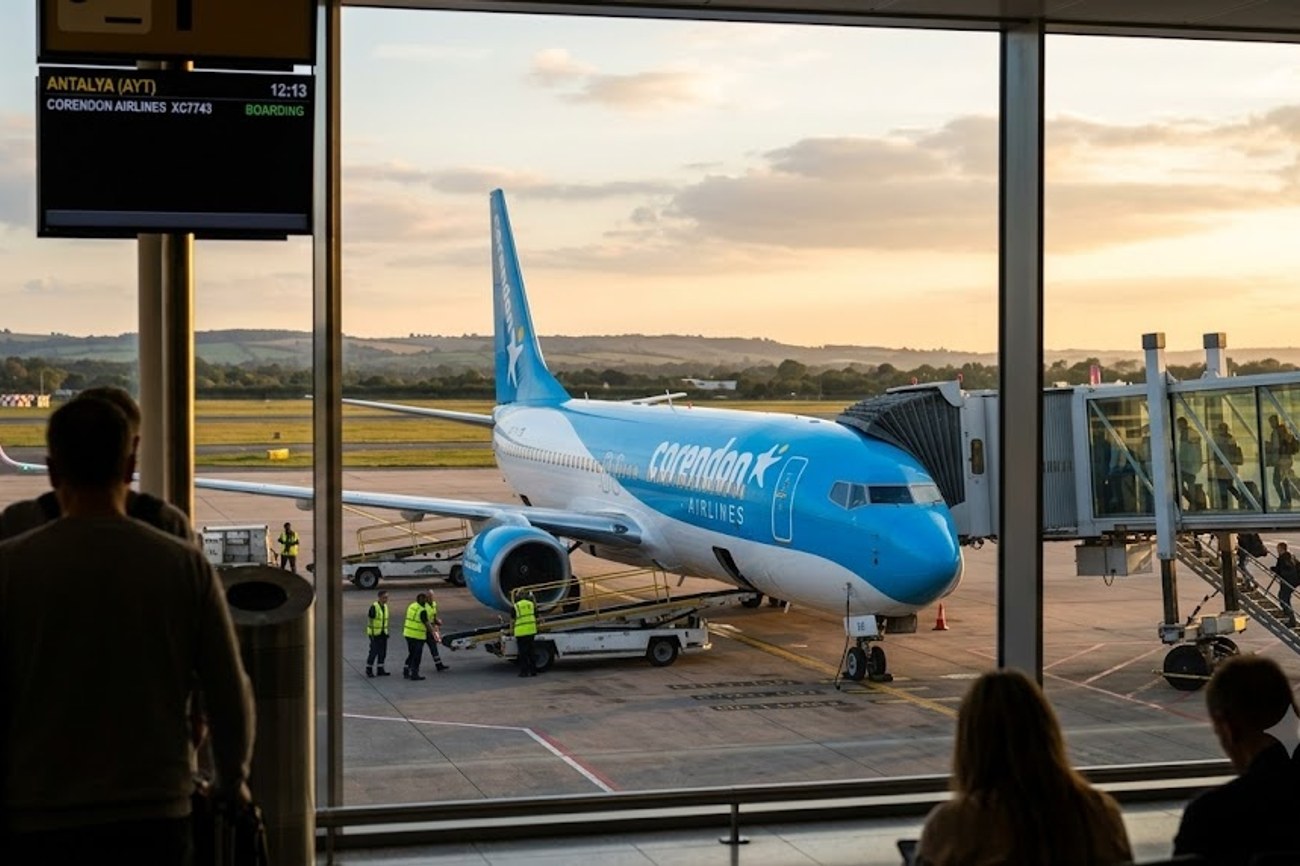
Image generated by AI
While most travelers view Antalya as a gateway to all-inclusive resorts, the city actually serves as the primary anchor for a highly strategic aviation pivot. For the summer 2027 season, Corendon Airlines is slashing its UK departure footprint by exactly 50%, reducing its operational base from six airports down to just three. This isn't a retreat from Turkey, but a calculated consolidation in response to a volatile 2026 that saw geopolitical instability and spiking fuel costs reshape how leisure carriers move passengers across the Mediterranean.
The Strategic Pivot to Antalya 2027
The aviation landscape for the Turkish Mediterranean is shifting toward a "quality over quantity" model. Corendon Airlines has announced a streamlined network for summer 2027 that abandons several long-standing UK hubs to protect its commercial sustainability. The airline is stripping away services from London Gatwick, Birmingham, and Newcastle, effectively erasing these cities from its 2027 summer map.
In their place, the carrier is doubling down on three specific gateways. London Stansted and Manchester will lead the charge, each hosting three weekly flights to Antalya. For those in Scotland, Glasgow remains the sole non-English outpost in the network, maintaining two weekly services. This restructuring follows a particularly grueling 2026 operating environment where Matthew Carpenter, the UK Country Manager for Corendon, noted that global economic shifts forced a more disciplined approach to capacity. Instead of spreading aircraft thin across six cities, the airline is concentrating its resources where demand is most resilient, ensuring that the link to the Turkish coast remains viable despite rising overheads.
What Makes Antalya Different
Antalya is often misunderstood as a singular resort town, but for the seasoned traveler, it is a sophisticated intersection of Lycian history and modern luxury. Unlike the crowded streets of Istanbul, Antalya offers a slower, coastal rhythm where the Taurus Mountains plunge directly into the turquoise waters of the Mediterranean.
The city's uniqueness lies in its duality. You have the Kaleiçi—the old town—where narrow cobblestone streets are lined with Ottoman-era mansions and boutique hotels. Then, you have the sprawling modern infrastructure that supports millions of visitors. The region is the heart of the Turkish Riviera, providing access to the UNESCO World Heritage sites of the surrounding coast, including the ancient ruins of Perge and Aspendos.
Traveling here is an exercise in sensory overload: the smell of roasting chestnuts in the winter, the sight of the Hadrian's Gate standing as a sentinel to the past, and the taste of fresh pomegranate juice sold on every street corner. Because it serves as a primary hub for leisure carriers like Corendon, the city has developed an efficiency in tourism that allows visitors to pivot from a high-end beach club to a 2,000-year-old amphitheater in under thirty minutes.
Visitor Insider Tips
To experience Antalya beyond the resort walls, you have to move against the grain of the typical tourist itinerary.
Timing the Visit Avoid the peak July and August heat, which can be oppressive. The "sweet spot" for visiting is May to early June or September to October. During these windows, the Mediterranean is warm enough for swimming, but the crowds at the museums are thinner, and the temperatures are manageable for exploring the old city.
Navigating the City While taxis are plentiful, they can be overpriced for newcomers. Use the Antalyakart for the local tram and bus system; it is the most efficient way to get from the airport to the city center. For those venturing further toward the coast, renting a small car is the only way to find the secluded coves of Kaş or Kalkan that aren't serviced by tour buses.
Dining Like a Local Skip the hotel buffets. Head to the Kaleiçi district and look for small "Lokanta" (tradesman restaurants) where the menu is written on a chalkboard. Order Tantuni—a spicy, finely chopped beef wrap native to the region—and pair it with an Ayran (salty yogurt drink). For a truly local experience, visit the Saturday markets where farmers from the Taurus Mountains bring wild honey and mountain herbs.
Corendon Airlines is optimizing its UK-to-Antalya connectivity with a streamlined 2027 summer schedule designed to enhance passenger logistics. Travelers can manage their bookings and view updated flight frequencies directly through the Corendon Airlines official portal.
Etiquette and Norms Turkey is a land of immense hospitality. When entering a local shop or home, a greeting is mandatory before discussing business. In the more traditional quarters of Antalya, modest dress is appreciated, though the beach resorts are entirely liberal. Always carry a small amount of Turkish Lira in cash, as smaller vendors in the old town may not accept international credit cards.
Cultural and Environmental Context
The surge in leisure travel to the Antalya region has created a complex tension between economic growth and environmental preservation. The "all-inclusive" model, which drives much of the traffic from airports like Manchester and Stansted, often creates "tourist bubbles" that isolate visitors from the local economy. However, there is a growing movement toward cultural tourism that encourages visitors to spend their money in local cooperatives and family-run pensions.
Environmentally, the region faces the challenge of maintaining its pristine coastline against the pressure of massive hotel developments. The Turkish government and local authorities have increased efforts to protect the Mediterranean seagrass and turtle nesting sites along the beaches. Visitors are encouraged to use the official tourism resources to find certified eco-friendly accommodations that prioritize water conservation—a critical issue in the Mediterranean basin.
The interaction between the UK traveler and the local community is evolving. There is a shift away from the "package holiday" mentality toward a more curious, immersive style of travel. This shift is beneficial for the preservation of heritage sites, as it provides the funding necessary to maintain ancient ruins without turning them into sterile theme parks.
FAQ: Visiting Antalya 2027
What is the best time to visit? The ideal windows are May to June and September to October. These months offer warm Mediterranean waters and pleasant air temperatures, avoiding the extreme heat and peak crowds of July and August.
How do I get there from the UK in 2027? Direct Corendon Airlines flights will be available from London Stansted (3x weekly), Manchester (3x weekly), and Glasgow (2x weekly). Other carriers continue to serve the region from various UK hubs.
Is it safe for solo travelers? Yes, Antalya is generally very safe for solo travelers. The city is well-lit and accustomed to international visitors. Using registered taxis and staying in the Kaleiçi or Lara districts is recommended for solo explorers.
Do I need a visa for Turkey? Visa requirements depend on your nationality. UK citizens currently do not require a visa for tourist visits up to 90 days, but always check the latest government travel advice before booking.
The Mediterranean is calling, but the path to get there is becoming more precise.
Related Travel Guides
- Singapore Airlines Joins Turkish, Air Canada and More Airline Companies Around the World Leads Skytrax 2026
- oneworld Celebrates Global Success After Being Named Best Airline Alliance At Skytrax 2026
- Riyadh Air Expands UK Network With New Manchester Service Connecting Northern England to Saudi Arabia
Disclaimer
This article is for informational and educational purposes only. It does not constitute legal, financial, or professional advice. While we strive to provide accurate and up-to-date information, travel policies, regulations, and conditions change rapidly. Always verify information with official sources before making travel decisions. Nomad Lawyer makes no representations about the accuracy, reliability, completeness, or suitability of the information provided. Readers should consult qualified professionals for advice specific to their circumstances. The views expressed in this article are those of the author and do not necessarily reflect the views of Nomad Lawyer.
Raushan Kumar
Founder & Lead Developer
Full-stack developer with 11+ years of experience and a passionate traveller. Raushan built Nomad Lawyer from the ground up with a vision to create the best travel and law experience on the web.
Learn more about our team →