
Turkey, Saudi Arabia, Egypt Join Middle East Crisis Response as Iran-Israel Escalation Strands Thousands, Closes Airspace June 2026
Middle Eastern nations including Turkey, Saudi Arabia, and Egypt activate emergency protocols as renewed Iran-Israel strikes shatter ceasefire, strand thousands of travelers, and trigger airspace closures across the region.

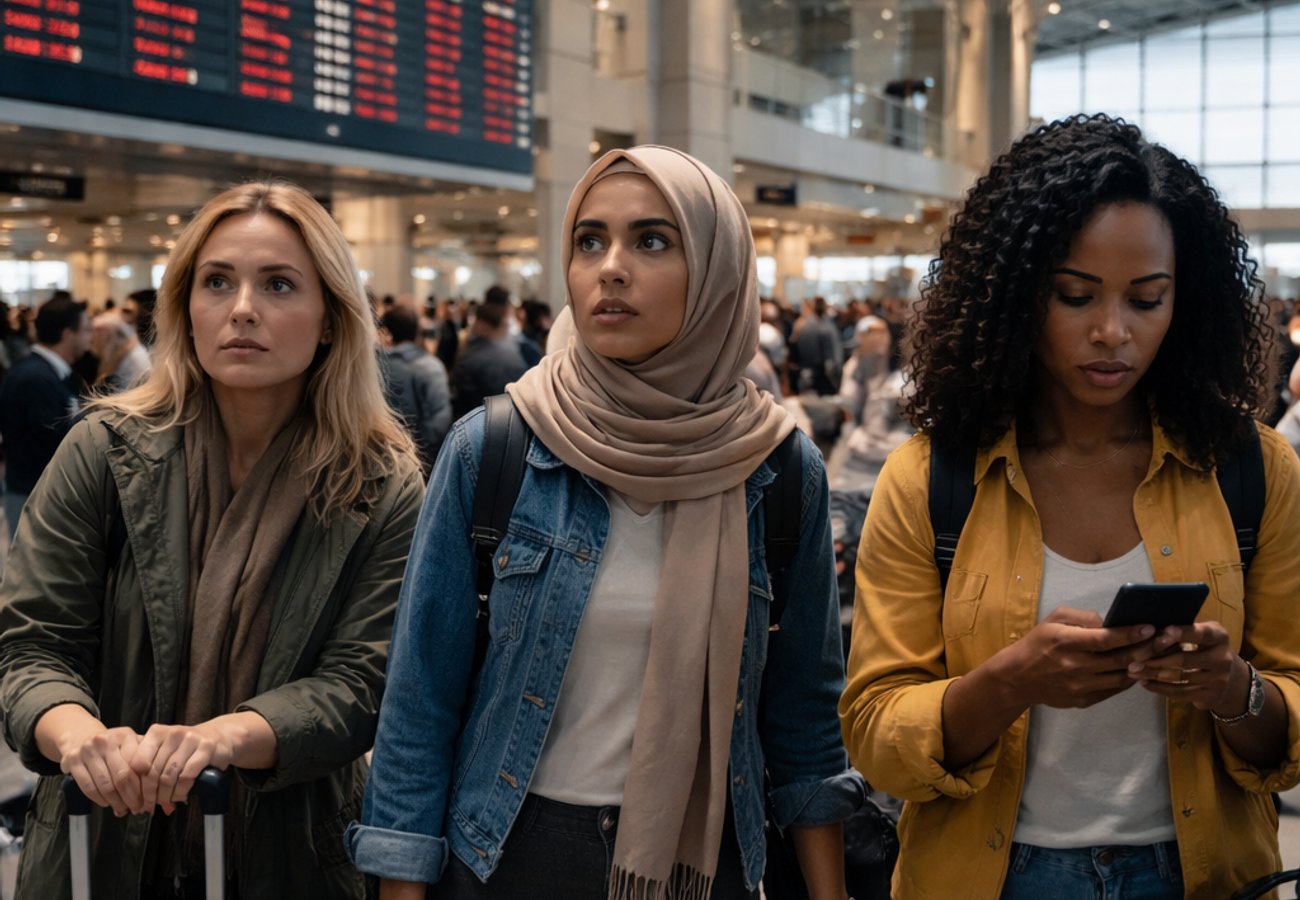
Image generated by AI
The Ceasefire Shatters: A Regional Reckoning Begins
The fragile April ceasefire lasted exactly 71 days. On February 28, 2026, renewed Iran-Israel missile and airstrikes shattered the tentative peace, triggering an unprecedented regional response that has left thousands of travelers stranded, embassies on lockdown, and entire tourism economies in freefall.
Today, Turkey, Saudi Arabia, Egypt, Lebanon, Qatar, the United Arab Emirates, Oman, and a dozen other Middle Eastern nations are executing coordinated emergency protocols—some closing airspace entirely, others fortifying diplomatic compounds, all preparing for escalation nobody hoped would return.
The human cost is already staggering. Flight cancellations exceed 2,000. Refugee flows are accelerating. And the economic damage to tourism-dependent economies is accumulating by the hour.
Turkey: Open Skies, Heightened Vigilance
Turkey occupies a precarious geographic position—strategically crucial, yet bordering conflict-prone regions on multiple fronts.
Status: Turkish airspace remains fully operational with no mandatory flight reroutes. Airlines continue scheduled operations, but with intensified monitoring protocols.
What's actually happening: Embassies in Ankara and Istanbul are operating under enhanced security measures. Staff are working remotely where possible. Threat assessments are updated hourly. The Turkish government is bracing for potential unrest tied to regional protests or extremist activity.
Tourism takes the hit: Istanbul, Cappadocia, and Antalya—three of Turkey's crown jewels—are experiencing double-digit cancellation rates. Bookings for July and August are down sharply. International visitor confidence has evaporated despite Turkey's own territory being secure.
Refugee pressure: Turkey, already hosting 3.6 million Syrian refugees, is now managing fresh displacement flows from conflict zones. Border communities are under strain.
Saudi Arabia: The Gulf's Cautious Operator
Saudi Arabia faces unique vulnerabilities as a central pillar of Gulf security and the world's primary pilgrimage destination.
Airspace: Fully operational with elevated monitoring. Precautionary flight adjustments are ongoing, but no closures have been implemented.
Diplomatic risk: Foreign missions in Riyadh and Jeddah are fortified. Security perimeters have expanded. Consular staff are briefed on evacuation protocols if escalation accelerates.
Pilgrimage under pressure: Hajj season isn't until June 2027, but Umrah pilgrimages—which attract 7 million annual visitors—are being rescheduled. Airlines report 30% cancellations on routes serving Jeddah.
Economic shockwave: Saudi Vision 2030's tourism initiatives are facing their first real stress test. Hotels report 40% occupancy drops.
Egypt: Cairo International Monitors, But Stays Open
Egypt controls critical Suez Canal infrastructure and hosts the region's largest population. Its stability matters enormously.
Air traffic: Cairo International, Alexandria, and Hurghada airports operate at reduced capacity. Airlines are monitoring regional developments minute-by-minute. Some flights are delayed; few are canceled entirely—yet.
Embassy fortification: Diplomatic districts in Cairo and Alexandria are under heightened protection. Security agencies have activated contingency protocols.
Refugee crisis emerging: Egypt already hosts 5.8 million Syrian and Palestinian refugees. Border communities are reporting new displacement pressure from Lebanon and conflict-adjacent regions.
Tourism collapse: Egypt's Red Sea resorts—Sharm El-Sheikh, Hurghada—are experiencing unprecedented cancellations. Heritage tourism to Luxor and Cairo is dropping sharply as international confidence crumbles.
Reddit: "Just cancelled my Egypt trip. Airlines won't let me refund, only rebook. The situation is getting worse every day." — r/travel
Lebanon: The Frontline Reality
Lebanon borders Israel directly and hosts Hezbollah—making it the epicenter of risk.
Airspace emergency: Beirut-Rafic Hariri International Airport faces severe restrictions. Airlines have rerouted flights or suspended operations temporarily. Departures and arrivals are proceeding cautiously.
Embassy under siege: Beirut's diplomatic quarter is operating in crisis mode. Security teams have expanded protective perimeters. Staff are on reduced schedules.
Border communities shattered: Refugee camps and cross-border villages lack adequate shelter, food, and medical supplies. Humanitarian agencies are overwhelmed. Human rights organizations are documenting civilian vulnerabilities.
Tourism decimated: Lebanon's recovery narrative—years in the making—has evaporated in weeks. Beirut's hospitality sector is hemorrhaging reservations. Mountain resorts are nearly empty.
Qatar: The Strategic Hub Under Strain
Qatar serves as a vital transit hub and diplomatic mediator, but it's feeling indirect pressure.
Hamad International: The airport remains open. However, flights are being rerouted around high-risk corridors. Layovers are shifting to alternative hubs.
Diplomatic maneuvering: Qatar's role as a neutral mediator is being tested. Embassy security has been enhanced across the board.
Tourism impact: Luxury tourism and major events (conferences, sports) face cancellations. Visitor arrivals are down 25-35%.
United Arab Emirates: Balancing Act
The UAE, one of the Middle East's most connected aviation hubs, is carefully recalibrating operations.
Airspace: Open, but flights are being rerouted to avoid conflict-prone corridors. Dubai International and Abu Dhabi International continue operations at near-normal capacity, though with delays.
Embassy security: Diplomatic compounds are fortified and monitored continuously.
Tourism sector: Luxury resorts in Dubai and Abu Dhabi report cancellations. Major events are being postponed.
Iraq and Syria: Airspace Shutdown
Both nations have taken the drastic step of closing or severely restricting airspace to protect civil aviation from missile threats.
Humanitarian catastrophe: Border communities and airport workers face severe disruption. Civilians lack protection.
Travel halted: Stranded passengers are mounting. Tourism is virtually frozen in conflict-adjacent areas.
The Cascading Human Cost
Since February 28, this escalation has triggered:
Stranded travelers: Over 15,000 passengers are currently unable to reach intended destinations due to closures, reroutes, and cancellations.
Flight disruptions: Airlines serving Europe, Asia, and the Gulf are absorbing massive operational costs. Fuel surcharges are rising. Schedules are chaotic.
Tourism hemorrhage: Lebanon, the UAE, Qatar, and Turkey are collectively losing hundreds of millions in tourism revenue daily. Hotel occupancy rates have dropped by 40-60%.
Embassy fortification: Every diplomatic mission across the Middle East is operating under heightened threat protocols. Staff are being rotated to safer locations.
Refugee flows: Displacement from Lebanon and Gaza is accelerating. Neighboring countries are straining under humanitarian pressure.
What Travelers Need to Know Right Now
Check your airline immediately. Flight status is changing hourly. Many carriers have issued blanket reroute policies with waived change fees—but only if you act now. Monitor official travel advisories from your government regularly.
Avoid non-essential travel to Lebanon, Syria, Iraq, and Gaza until conditions stabilize significantly. The U.S. State Department and UK Foreign Office have both upgraded travel warnings.
If you're already in the region: Register with your embassy immediately. Understand evacuation routes. Keep emergency supplies accessible.
Travel insurance is critical. Standard policies may not cover war or civil unrest. Verify coverage before booking anything to the region through mid-2026.
This is not the moment to gamble on Middle Eastern travel. The situation remains fluid, volatile, and unpredictable.
The Middle East's fragile peace has shattered once again—and this time, thousands of travelers are caught in the fallout.
Related Travel Guides
Disclaimer
This article is for informational and educational purposes only. It does not constitute legal, financial, or professional advice. While we strive to provide accurate and up-to-date information, travel policies, regulations, and conditions change rapidly. Always verify information with official sources before making travel decisions. Nomad Lawyer makes no representations about the accuracy, reliability, completeness, or suitability of the information provided. Readers should consult qualified professionals for advice specific to their circumstances. The views expressed in this article are those of the author and do not necessarily reflect the views of Nomad Lawyer.
Preeti Gunjan
Contributor & Community Manager
A passionate traveller and community builder. Preeti helps grow the Nomad Lawyer community, fostering engagement and bringing the reader experience to life.
Learn more about our team →