
El Escudo Cargo Vessel Launches Operations at Port of Los Angeles, Strengthening Trans-Pacific Trade Infrastructure in 2026
The El Escudo enters service at the Port of Los Angeles, amplifying trans-Pacific cargo capacity and reinforcing the West Coast's critical role in global supply chains.

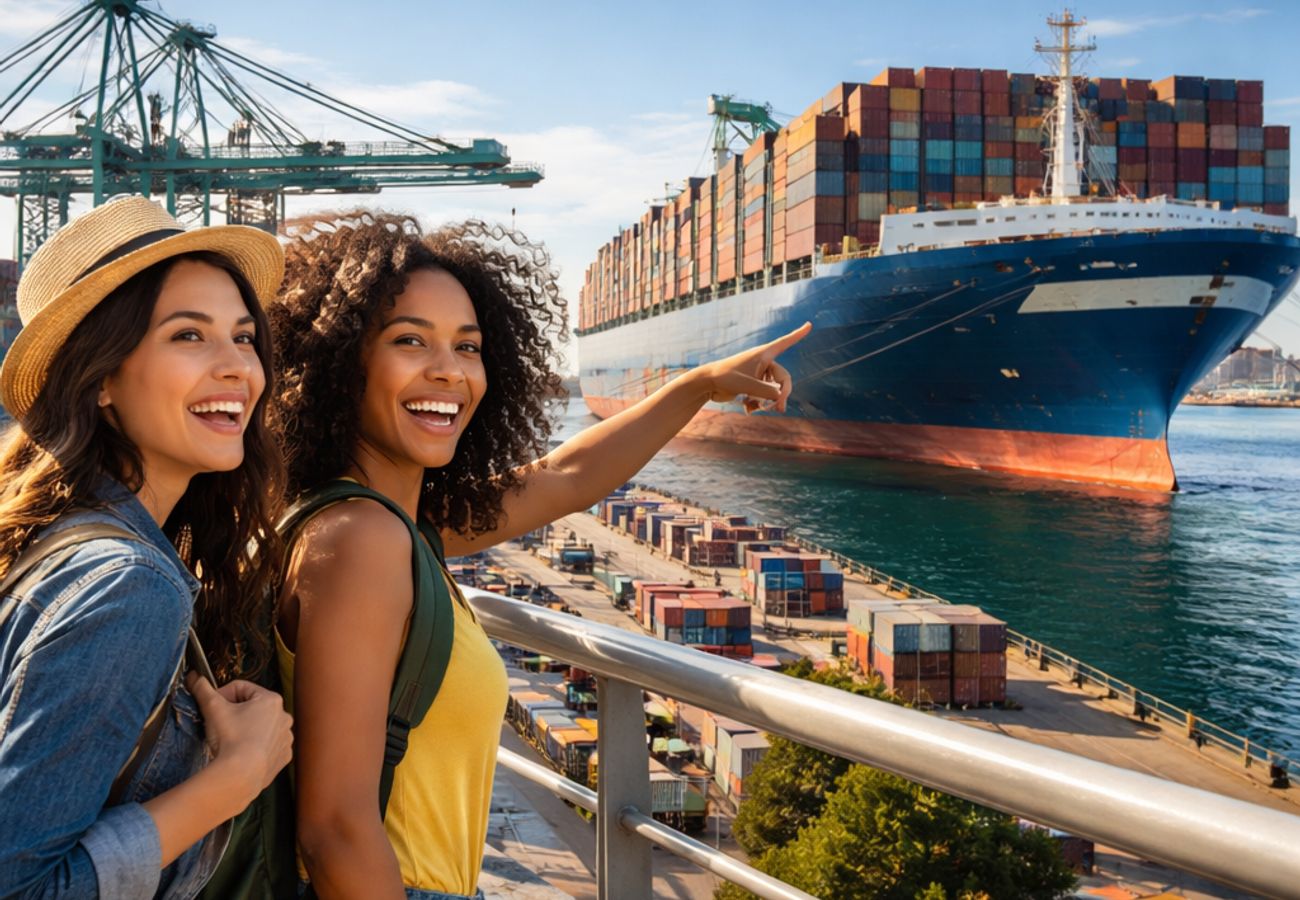
Image generated by AI
A New Addition to America's Busiest Maritime Gateway
The Port of Los Angeles just welcomed another major player into its operational fleet. The cargo vessel El Escudo has officially begun service, marking a tangible expansion of container capacity along one of the world's most critical trade corridors.
This isn't just routine maritime logistics—it's a strategic reinforcement of the infrastructure that connects Asian manufacturing powerhouses to North American consumer markets. For logistics professionals, supply chain managers, and even curious travelers, this development signals something important about how global commerce flows through our ports.
Why the Port of Los Angeles Matters to Global Trade
The Port of Los Angeles stands as the largest container port on the US West Coast and processes roughly 9 million TEU (twenty-foot equivalent units) of cargo annually. It's the maritime nerve center connecting Asia with North America.
Every container handled here represents goods destined for retail stores, manufacturing facilities, and distribution centers across the continental United States. The port doesn't just move boxes—it sustains supply chains for industries ranging from consumer electronics to automotive parts to fashion retail.
When capacity increases here, ripple effects spread nationwide. Smoother port operations mean faster delivery times, lower logistics costs, and ultimately, better availability of goods in stores and warehouses across America.
El Escudo: Modern Vessel, Modern Standards
The El Escudo enters service equipped with contemporary shipping technology. Modern container vessels like this are engineered for optimized fuel efficiency, larger cargo holds, and improved handling systems.
These ships represent the evolution of global shipping—designed to move massive volumes of containerized goods while reducing operational costs and environmental impact. The vessel's integration into LA's fleet directly increases the port's ability to absorb seasonal trade fluctuations and handle peak demand periods.
According to industry observers tracking global maritime trends, new vessel deployments like this one are essential as worldwide demand for containerized cargo continues climbing. Every additional ship in active service helps prevent the port congestion that plagued major hubs in previous years.
The Domino Effect on Maritime Traffic
Adding El Escudo to Los Angeles' active roster creates measurable improvements in port efficiency. More vessels in rotation means cargo loads distribute across terminals more evenly, reducing docking delays and unloading backlogs.
This operational flexibility matters tremendously for shipping lines managing tight schedules. When vessels face extended wait times at anchor, costs escalate rapidly—demurrage charges pile up, and schedule reliability suffers. The new capacity helps prevent exactly these scenarios.
Port authorities can now coordinate smoother transitions between incoming and outgoing ships, reducing the congestion that occasionally threatens to overwhelm even the world's largest container terminals.
A Traveler's Perspective on Maritime Operations
While El Escudo's primary function is industrial, the vessel adds another layer of fascination for visitors exploring Southern California's waterfront.
The Port of Los Angeles region has transformed into a legitimate tourist destination. The nearby San Pedro waterfront offers museums dedicated to maritime history, interactive exhibits about global trade, and scenic harbor tours where visitors can observe massive container ships up close.
Reddit: "Took a harbor tour in San Pedro and watching these massive cargo ships operate in real time was mind-blowing. You don't realize the scale of global trade until you're standing there." — r/travel
Designated coastal viewing areas and cruise excursions provide educational experiences that combine maritime industry insight with genuine scenic beauty. It's the kind of destination experience that transforms abstract concepts about global commerce into tangible, observable reality.
Economic Reverberations Beyond the Port
The Port of Los Angeles directly and indirectly supports approximately 600,000 jobs across transportation, logistics, warehousing, and trade-related sectors. Each vessel deployment strengthens this employment ecosystem.
When port capacity increases, supply chains stabilize, which enables businesses to maintain consistent inventory levels and reliable delivery schedules. Manufacturing companies gain confidence in supply reliability, retailers can stock shelves predictably, and distributors operate with greater efficiency.
This stability cascades through the entire American economy—affecting everything from manufacturing competitiveness to retail pricing to consumer goods availability.
Sustainability and Modern Port Operations
Contemporary shipping has embraced environmental responsibility. The maritime industry now focuses intensely on reducing emissions and operational impact, with modern vessels like El Escudo incorporating fuel-efficient engine designs and optimized hull shapes.
Major port operators are simultaneously upgrading infrastructure with automated systems, electric cargo handling equipment, and digital scheduling platforms that minimize unnecessary vessel movements and reduce idle time.
These changes align with international maritime standards while delivering genuine efficiency improvements—proving that environmental responsibility and operational excellence move in the same direction.
The Bigger Picture: Infrastructure for Future Trade Growth
The arrival of El Escudo represents more than a single addition to the shipping fleet. It symbolizes how major infrastructure hubs continuously evolve to accommodate expanding global trade volumes.
The Port of Los Angeles faces perpetual pressure to expand capacity without proportional growth in physical space. Solutions involve modernizing existing terminals, deploying cutting-edge scheduling systems, and welcoming additional vessels that can operate at peak efficiency.
These adaptations ensure that one of America's most critical economic nodes remains capable of handling whatever trade volumes emerge in an increasingly interconnected global economy.
The global supply chain flows through ports like Los Angeles—and every cargo vessel counts.
Related Travel Guides
Disclaimer
This article is for informational and educational purposes only. It does not constitute legal, financial, or professional advice. While we strive to provide accurate and up-to-date information, travel policies, regulations, and conditions change rapidly. Always verify information with official sources before making travel decisions. Nomad Lawyer makes no representations about the accuracy, reliability, completeness, or suitability of the information provided. Readers should consult qualified professionals for advice specific to their circumstances. The views expressed in this article are those of the author and do not necessarily reflect the views of Nomad Lawyer.
Kunal K Choudhary
Co-Founder & Contributor
A passionate traveller and tech enthusiast. Kunal contributes to the vision and growth of Nomad Lawyer, bringing fresh perspectives and driving the community forward.
Learn more about our team →