
Fethiye Maritime Incident: Turkey Boat Fire Highlights Tour Safety Needs
A fire on the children's tour vessel Toys Boat near Fethiye triggers emergency evacuations for 115 passengers and prompts a review of safety audits.

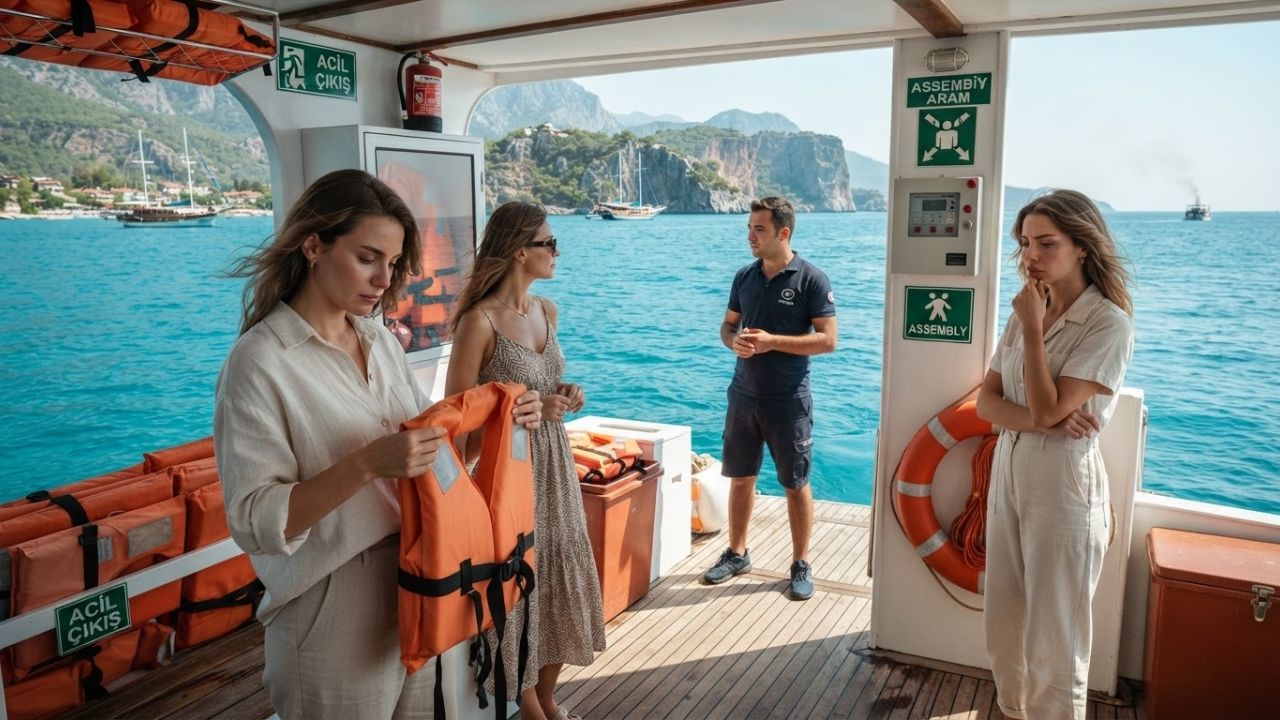
Image generated by AI
An emergency evacuation of 115 passengers and crew members from the burning children's tour vessel Toys Boat near Fethiye on August 13, 2026, has highlighted Mediterranean maritime safety standards and tourist safety protocols.
Recreational coastal tourism is seeing a major expansion across the Mediterranean, driven by international families looking for scenic day cruises, island-hopping excursions, and water-based entertainment. Fethiye, located on the Lycian coast, has become a key hub for these maritime adventures, attracting thousands of visitors who want to explore its turquoise bays, butterfly valleys, and hidden coves. However, when a leisure vessel named Toys Boat, which operated as a children’s entertainment tour boat, caught fire near the southwestern Turkish resort town of Fethiye on August 13, 2026, it served as a stark reminder of how quickly recreational outings can escalate into life-threatening emergencies.
For the visitor, the real impact of such an incident is the realization that sea safety precautions are non-negotiable parts of travel planning. During the Toys Boat emergency, a sudden mechanical or structural ignition caused thick black smoke and flames to sweep through the vessel. Passengers were forced to don life jackets and plunge directly into the sea, transitioning from a family-friendly holiday atmosphere to an immediate survival situation in a matter of minutes. This transition is psychologically traumatic, particularly for families with young children who expect a safe day of entertainment.
Quick Response Operations by the Turkish Coast Guard
The rescue operations following the ignition of the Toys Boat highlight the importance of local emergency response infrastructure. The Turkish Coast Guard (Sahil Güvenlik) coordinated a rapid search and rescue operation, dispatching vessels to the coordinates near Fethiye Harbor.
All 115 individuals, including passengers and crew members, were successfully recovered from the water and transported safely to the shore. Eleven people required hospitalization at local medical facilities for smoke inhalation, though none were in serious condition. The rapid deployment of flotation devices by the crew, combined with the Coast Guard’s quick intervention (accessible through Turkey’s maritime emergency number 158), prevented fatalities. This successful rescue showcases the value of having well-equipped emergency responders positioned near popular tourist ports, ensuring that high-volume tourist seasons are backed by professional rescue systems.
Regulatory Oversight and Fire Safety Standards on Small Passenger Craft
Turkish authorities have launched an investigation into the cause of the fire on the Toys Boat. This inquiry, coordinated by local port authorities and maritime safety boards, is expected to provide critical data regarding mechanical maintenance, electrical wiring, and fire-safety standards on small passenger craft.
While large international cruise liners operate under strict global maritime regimes like the SOLAS convention, smaller tourist boats and coastal day-charter vessels often face less stringent oversight and local licensing enforcement. Marine safety experts emphasize that casual coastal cruising carries hidden risks, such as high passenger capacities, electrical overloads from sound systems, and insufficient crew training. The ongoing investigation will likely lead to tighter regulations regarding mandatory fire detection systems, the accessibility of personal flotation devices, and the frequency of regular, unannounced safety audits in Fethiye Harbor and across southwestern Turkey.
Risk Mitigation and Safety Audits in Casual Ecotourism
To help travelers minimize risks when booking coastal excursions, marine safety specialists recommend adopting proactive habits:
- Verify Equipment Accessibility: Confirm that life jackets are easily accessible upon boarding and that child-sized flotation devices are available if traveling with families.
- Pay Attention to Safety Briefings: Listen to the crew's safety instructions and locate the emergency exits, life rafts, and fire extinguishers before the vessel departs.
- Maintain Environmental Awareness: Remain alert to your surroundings during the tour, and immediately report unusual sounds, hot surfaces, or the smell of burning plastic or fuel to the crew.
- Research Operators Ahead of Time: Choose reputable tour operators that are licensed by local chambers of commerce or regional maritime authorities, and check online reviews for safety-related feedback. Doing your homework before boarding can prevent minor issues from turning into major emergencies at sea.
Environmental Responsibility and Blue Flag Standards in Fethiye
Fethiye is committed to protecting its marine ecosystems through the implementation of international standards. Many beaches and marinas in the region hold Blue Flag certification, which requires meeting strict criteria for water quality, environmental management, safety, and services. Travelers can support these efforts by participating in eco-friendly boat tours that minimize plastic waste, avoid anchoring in seagrass beds, and respect local marine life. Supporting sustainable operators ensures that Fethiye's beautiful coastal waters remain pristine and protected.
Destination Expert Insider Tips for Fethiye Travel and Port Calls
To help travelers experience southwestern Turkey's historic coastlines safely and authentically, local destination specialists recommend the following insider tips:
- Dine at the Fethiye Fish Market: For a unique culinary experience, visit the central fish market. Select your fresh catch from the central stalls, then take it to a surrounding restaurant where they will grill or fry it for a set cooking fee. Verify the cooking fee upfront and order local mezes and salads to complete your meal.
- Visit Kayaköy Ghost Village by Dolmuş: Take a local shared minibus (dolmuş) from the main Fethiye municipal otogar (central bus station) to explore the historic abandoned stone houses of Kayaköy. Wear comfortable walking shoes to navigate the rocky paths responsibly and support local village cafes.
- Try Fresh Gözleme in local Village Diners: Stop at a traditional village table (köy sofrası) in Kayaköy or at Fethiye's Tuesday market to try fresh gözleme—savory Turkish stuffed flatbreads prepared by local women on hot iron griddles.
- Verify Boat Operator Licenses: When booking a "Blue Cruise" or daily boat tour from Fethiye Harbor, ask the captain to show their official Turkish maritime license and verify the exact locations of life jackets, liferafts, and lifeboats before the boat departs.
- Know the Maritime Emergency Number: Keep the Turkish Coast Guard emergency number 158 saved in your phone. Pay attention to beach flag warning systems; a red flag means swimming is strictly prohibited due to dangerous undertows. Always obey these warnings to ensure your personal safety.
Long-Term Outlook for Mediterranean Coastal Maritime Safety
The long-term outlook for maritime tourism in southwestern Turkey remains positive, supported by ongoing efforts to digitize passenger manifests, enhance vessel tracking systems, and tighten local licensing requirements. The Turkish Ministry of Transport, Maritime Affairs, and Infrastructure is introducing new digital tracking protocols that require all commercial tour boats to submit real-time passenger manifests before ever leaving port.
By partnering with local municipal chambers, maritime regulatory bodies, and tourism associations, operators can ensure that coastal exploration remains safe and sustainable. The incident in Fethiye serves as a catalyst for local policy changes, proving that voluntary compliance and regular safety audits are necessary to protect international visitors, preserve regional marine environments, and support the long-term economic viability of coastal communities along the Mediterranean. Implementing these enhanced and rigorous safety measures will ensure that the region remains a safe, highly attractive, and sustainable destination for global travelers and families.
Related Travel Guides
Disclaimer
This article is for informational and educational purposes only. It does not constitute legal, financial, or professional advice. While we strive to provide accurate and up-to-date information, travel policies, regulations, and conditions change rapidly. Always verify information with official sources before making travel decisions. Nomad Lawyer makes no representations about the accuracy, reliability, completeness, or suitability of the information provided. Readers should consult qualified professionals for advice specific to their circumstances. The views expressed in this article are those of the author and do not necessarily reflect the views of Nomad Lawyer.
Kunal K Choudhary
Co-Founder & Contributor
A passionate traveller and tech enthusiast. Kunal contributes to the vision and growth of Nomad Lawyer, bringing fresh perspectives and driving the community forward.
Learn more about our team →