
Türkiye Aligns Bulgaria And More Countries Experiencing Tourist Arrival Declines In H1 2026 As Europe Battles New Travel Challenges
Türkiye Aligns Bulgaria And More Countries Experiencing Tourist Arrival Declines In H1 2026 As Europe Battles New Travel Challenges

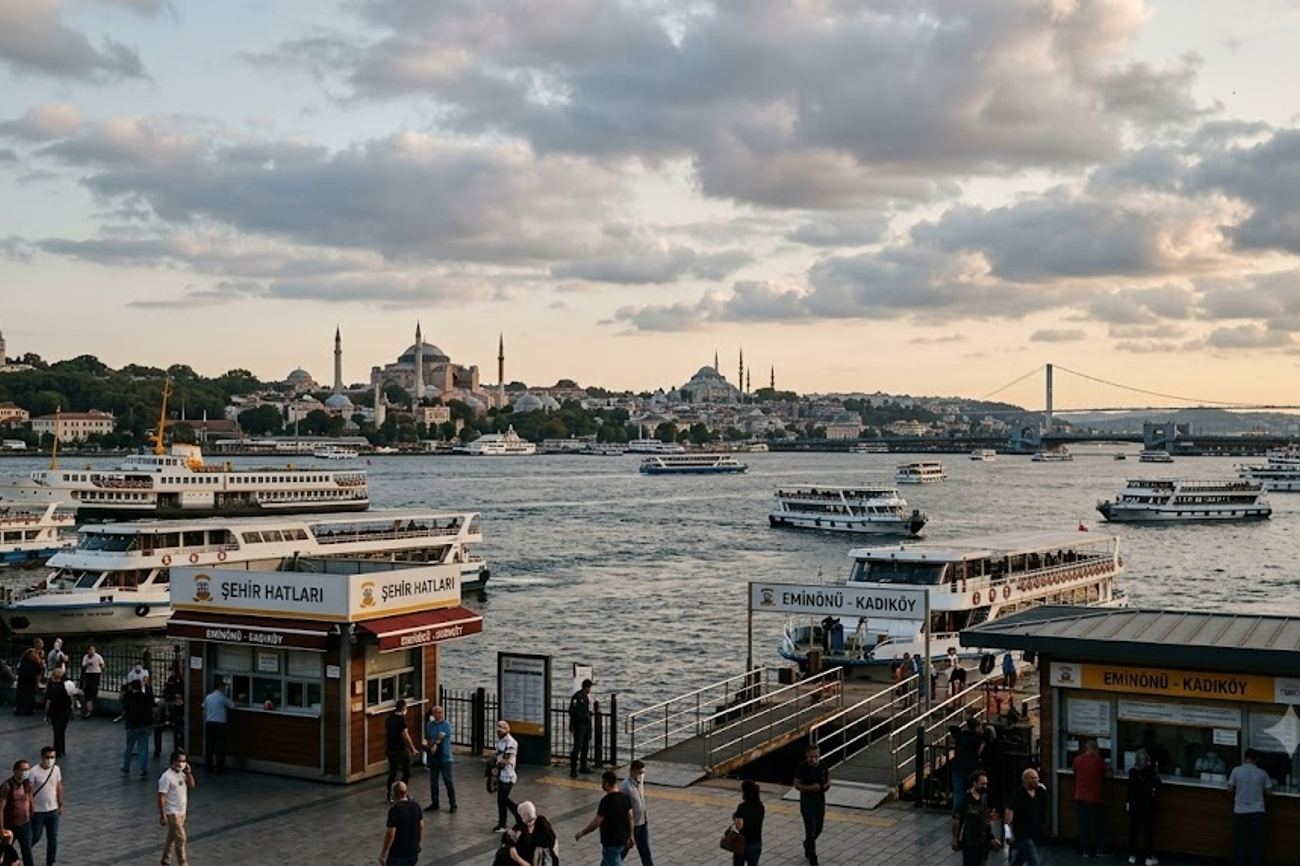
Image generated by AI
[Istanbul, June 2026] — International tourist arrivals in Türkiye plummeted by approximately 3% during the first half of 2026, signaling a broader volatility across European travel markets.
The downturn, spanning January through June 2026, reflects a systemic shift in traveler behavior across the Mediterranean and Balkan regions. Data provided by UN Tourism indicates that the decline is not a total collapse of demand but rather a strategic pivot by global travelers who are increasingly prioritizing price stability, perceived safety, and overall value over traditional destination loyalty.
Geopolitical Friction and Market Shifts
The immediate trigger for the decline in Türkiye and neighboring regions is a combination of heightened regional uncertainty and aggressive competition from Western European markets. While Türkiye remains a global tourism powerhouse, the first six months of 2026 saw a noticeable erosion of confidence among visitors targeting the Eastern Mediterranean.
Travelers are reacting to geopolitical instability by delaying bookings or diverting their budgets toward destinations perceived as more predictable. This shift has directly benefited Western Mediterranean hubs, specifically Spain, Italy, and Portugal, which have captured a larger share of the summer holiday market by offering competitive price points and perceived stability.
Regional Impact Analysis
The tourism slowdown is not uniform, but several key markets are reporting significant headwinds:
| Destination | H1 2026 Status | Primary Drivers of Decline |
|---|---|---|
| Türkiye | ~3% Arrival Drop | Geopolitical uncertainty, inflation, and shifting traveler preferences |
| Bulgaria | Slower Momentum | Intense intra-European competition and seasonal dependency |
| Cyprus | Market Pressure | Eastern Mediterranean instability and rising travel expenses |
| Greece | Mixed Performance | Overtourism backlash and escalating local costs |
| Balkans | Stagnant Growth | Limited flight connectivity and evolving visitor expectations |
In Bulgaria, the struggle is rooted in a rigid seasonal model that relies too heavily on summer Black Sea tourism. Despite efforts to promote winter sports and wellness retreats, the country is losing ground to larger European tourism brands with higher global visibility.
Greece is facing a different crisis: the paradox of success. The country is grappling with "overtourism," where extreme crowding at iconic sites has driven a segment of high-value travelers to seek quieter, more authentic alternatives in smaller European locales.
Practical Traveler Advisory and Strategic Insights
For the individual traveler, these market shifts translate into a more volatile booking environment. The transition from predictable growth to an "uncertain environment" means several things for those planning trips in 2026:
1. The Death of the Early Booking There is a marked increase in last-minute travel decisions. Because travelers are monitoring geopolitical tensions and price fluctuations in real-time, the traditional "book six months in advance" model is being replaced by a demand for extreme flexibility.
2. Value-Driven Destination Swapping Inflation is forcing a rigorous comparison of "holiday value." Travelers are no longer choosing a destination based solely on the attraction but are calculating the total cost of hotels, dining, and transport. If a traditionally affordable destination like Türkiye or Bulgaria sees a price spike, travelers are pivoting instantly to competitors.
Türkiye's tourism industry has experienced a decline in tourist arrivals in the first half of 2026, with neighboring countries such as Bulgaria also reporting similar trends. According to the Turkish Ministry of Culture and Tourism, the decline is attributed to various factors, including global economic uncertainty and new travel challenges. The ministry is working to implement strategies to revitalize the industry and attract more visitors.
3. Avoidance of "Tourist Traps" The rise of overtourism awareness means that peak-season travel to major Greek islands or Turkish hubs may result in diminished experiences. Travelers are increasingly seeking "hidden gems" to avoid the crowds and inflated "tourist prices" prevalent in saturated markets.
4. Flight Availability Volatility As demand shifts toward Western Europe, flight capacity is being redistributed. Travelers may find fewer direct options or higher fares for Eastern Mediterranean routes as airlines adjust their schedules to match the shifting demand patterns.
The Path to Recovery and Adaptation
To counter these trends, Eastern Mediterranean nations are being forced to evolve their tourism products. The World Tourism Organization suggests that the current decline is a catalyst for more sustainable growth models.
Türkiye and Cyprus are focusing on diversifying their appeal beyond "sun and sea" to include heritage and cultural tourism that can attract visitors year-round. Similarly, Bulgaria is attempting to break its seasonal cycle by investing in cultural routes and wellness tourism to reduce the reliance on the summer window.
The long-term outlook depends on the ability of these nations to balance visitor volume with quality of life for locals. Greece, in particular, is testing new ways to manage crowd flow to prevent the total alienation of the luxury travel segment.
FAQ: European Tourism Trends 2026
Why are tourist numbers dropping in Türkiye and Bulgaria? A combination of regional geopolitical uncertainty, rising inflation, and increased competition from Western Mediterranean countries like Spain and Italy has led travelers to choose more predictable or higher-value destinations.
Is it still safe to travel to the Eastern Mediterranean? Yes, destinations remain operational. However, "safety perception" is a primary driver of the current decline, leading some travelers to delay bookings or choose alternative regions based on their own risk assessment.
How is overtourism affecting travel in Greece? Extreme crowding at popular sites has led to higher prices and a lower-quality visitor experience. This is pushing some travelers to avoid peak-season visits or seek out smaller, less-known islands.
What should I look for when booking a European holiday in 2026? Prioritize flexible booking packages and consider "secondary" destinations to avoid crowds. Compare the total cost of the trip—including local inflation—rather than just the flight and hotel price.
The Mediterranean map is being redrawn by the wallet and the worry of the modern traveler.
Related Travel Guides
Disclaimer
This article is for informational and educational purposes only. It does not constitute legal, financial, or professional advice. While we strive to provide accurate and up-to-date information, travel policies, regulations, and conditions change rapidly. Always verify information with official sources before making travel decisions. Nomad Lawyer makes no representations about the accuracy, reliability, completeness, or suitability of the information provided. Readers should consult qualified professionals for advice specific to their circumstances. The views expressed in this article are those of the author and do not necessarily reflect the views of Nomad Lawyer.
Kunal K Choudhary
Co-Founder & Contributor
A passionate traveller and tech enthusiast. Kunal contributes to the vision and growth of Nomad Lawyer, bringing fresh perspectives and driving the community forward.
Learn more about our team →