
Travelers Building Entire 2026 Vacations Around Rare Sky Event
Travelers building entire vacations around a rare celestial phenomenon in 2026. Iceland, Spain, and Greenland report surge in early bookings as adventurers plan phenomenon-chasing trips to witness this once-in-a-generation sky event.

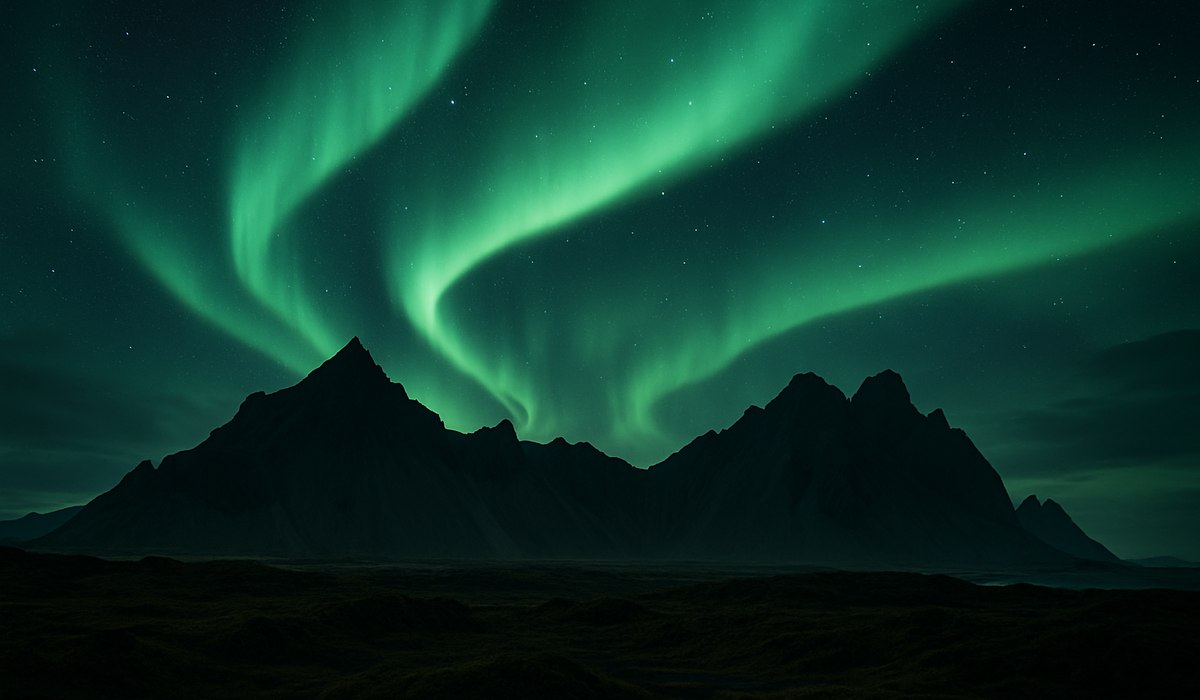
Image generated by AI
Adventure Seekers Plan 2026 Trips Around Rare Celestial Spectacle
Travelers building entire 2026 vacations around a rare astronomical phenomenon are reshaping global tourism patterns, with Iceland, Spain, and Greenland experiencing unprecedented early-season booking surges. What started as niche interest among astronomy enthusiasts has exploded into mainstream travel demand, prompting tourism boards and hospitality providers across these remote destinations to expand capacity. Hotels report 40-60% year-over-year increases in 2026 reservations, while tour operators are launching specialized itineraries designed specifically for phenomenon-chasers. This celestial event represents a pivotal moment in experiential travel, where natural spectacles drive destination selection more powerfully than traditional cultural attractions.
The Sky Event Driving 2026 Travel Bookings
The rare astronomical occurrence visible across Northern Hemisphere latitudes during specific 2026 windows has captivated adventure travelers worldwide. Sky watchers and casual tourists alike are organizing expeditions to optimal viewing locations, treating the event as a bucket-list milestone. Tourism authorities in destination countries have recognized the economic opportunity, with Iceland's tourism ministry launching dedicated campaign resources for phenomenon-focused visitors.
Tour companies specializing in celestial event tourism report booking windows compressed to 8-12 weeks rather than traditional 6-month planning cycles. This acceleration reflects both excitement levels and limited availability of prime viewing locations. Guides trained in astronomical education are commanding premium rates, with some booking solid through autumn 2025. The phenomenon's unpredictability—weather-dependent visibility, precise timing windows—adds urgency to travelers' decision-making processes.
Top Destinations Experiencing Early Demand Surges
Iceland dominates early reservations, with its minimal light pollution and clear skies making it ideal for phenomenon observation. Reykjavik and northern regions like Akureyri report hotel occupancy projections exceeding 95% during peak viewing windows. Accommodation prices have risen 35-50% compared to standard 2026 rates, while premium lodges offering heated outdoor viewing areas command even steeper premiums.
Spain's southern regions, particularly Andalusia, position themselves as accessible alternatives for European travelers. Areas around Granada and the Atacama-equivalent viewing zones attract those seeking comfortable accommodations alongside astronomical experiences. Spanish tourism boards have coordinated with regional hospitality providers to ensure capacity without compromising service quality.
Greenland appeals to travelers seeking remote, exclusive experiences. Limited accommodation infrastructure creates scarcity-driven demand, with some lodges fully booked 18+ months in advance. The destination's pristine wilderness and minimal light pollution offer unparalleled viewing conditions, justifying premium pricing despite logistical challenges.
Secondary destinations like Norway, Sweden, and Canadian northern territories also benefit from phenomenon-related travel interest, creating ripple effects across Arctic tourism ecosystems.
How to Plan Your Own Phenomenon-Chasing Trip
Strategic planning separates successful sky-event experiences from disappointing trips. Begin by identifying your destination based on accessibility, budget, and desired comfort level. Early booking—ideally 6-9 months ahead—secures preferred accommodations and tour guide availability.
Research optimal viewing dates within your chosen destination. Phenomenon visibility windows vary by location; Iceland's northern latitudes offer extended viewing periods compared to southern European sites. Consult astronomical societies and professional guides for precise timing information.
Consider weather contingencies. Cloud cover represents the primary visibility threat across all destinations. Premium tour packages increasingly include flexible rescheduling options, allowing travelers to shift dates within designated windows if conditions prove unfavorable.
Budget accordingly. Phenomenon-focused travel carries premium pricing across all sectors: accommodation, guides, specialized transport, and dining. Plan 20-30% above standard regional costs to ensure comfortable experiences without financial stress.
Join organized tour groups when possible. Experienced operators coordinate logistics, provide astronomical expertise, and troubleshoot weather challenges more effectively than independent travelers. Group dynamics also enhance the phenomenon-viewing experience through shared wonder and community connection.
What to Expect and Prepare For
Phenomenon viewing demands specific physical and practical preparations. Dress in extreme cold-weather gear regardless of season, as nighttime viewing requires hours outdoors in Arctic-adjacent conditions. Layered clothing, insulated boots, thermal accessories, and moisture-wicking base layers ensure comfort during extended sky-watching sessions.
Pack photography equipment if documenting the event interests you. Bring tripods, low-light lenses, and backup batteries rated for subzero temperatures. Most travel insurance policies exclude equipment loss, so protect investments through specialized coverage.
Arrive 2-3 days before optimal viewing windows to acclimate to local conditions and adjust to time zones. This buffer accommodates unexpected delays while allowing scouting of backup viewing locations if primary sites prove inaccessible.
Prepare mentally and physically for intense emotional experiences. Many travelers report profound psychological reactions to rare astronomical phenomena, describing transcendent moments and spiritual awakening. Travel journals and reflection time enhance these experiences beyond simple observation.
Arrange flexible return dates when booking flights. Weather delays disproportionately affect Arctic travel, and phenomenon-focused tourists prioritize complete viewing over rigid schedules.
Key 2026 Phenomenon Travel Data
| Metric | Iceland | Spain | Greenland | Global Average |
|---|---|---|---|---|
| Early Booking Increase | +58% | +41% | +72% | +52% |
| Average Nightly Rate Increase | +47% | +32% | +61% | +44% |
| Hotel Occupancy Projection | 97% | 88% | 93% | 91% |
| Guide Availability (Months Advance) | 8-11 | 5-8 | 12-16 | 8-12 |
| Premium Tour Cost (USD) | $3,200-$4,800 | $2,100-$3,400 | $4,500-$6,200 | $3,500-$4,800 |
| Average Trip Duration (Days) | 5-7 | 4-6 | 6-9 | 5-7 |
| Solo vs. Group Ratio | 35/65 | 42/58 | 28/72 | 37/63 |
What This Means for Travelers
This phenomenon-driven travel surge creates both opportunities and challenges for adventure seekers planning 2026 vacations:
-
Book immediately. Remaining availability diminishes weekly. Early reservations secure optimal accommodations and preferred guide assignments across all destinations.
-
Budget premium pricing. Phenomenon-focused travel costs 40-50% above standard regional rates. Allocate accordingly to avoid compromised experiences due to financial constraints.
-
Secure travel insurance. Weather-dependent viewing and Arctic conditions warrant comprehensive coverage including cancellation protection and equipment replacement.
-
Consider alternative dates. If primary viewing windows fill completely, secondary sight-line destinations offer acceptable experiences with greater availability.
-
Embrace flexibility. Weather unpredictability requires adaptable itineraries. Build buffer days into schedules and prepare mentally for potential rescheduling.
-
Partner with operators. Experienced tour companies navigate logistics, provide expertise, and manage contingencies more effectively than independent planning.
Frequently Asked Questions
What makes this 2026 phenomenon different from previous astronomical events?
This occurrence's frequency, visibility range, and duration distinguish it from typical yearly events. Convergence of multiple astronomical factors creates conditions unavailable for decades, driving once-in-a-generation travel demand.
Which destination offers best value for budget-conscious travelers?
Spain balances affordability with quality viewing experiences. Andalusian regions provide comfortable accommodations and experienced guides at lower price points
Preeti Gunjan
Contributor & Community Manager
A passionate traveller and community builder. Preeti helps grow the Nomad Lawyer community, fostering engagement and bringing the reader experience to life.
Learn more about our team →