
Travel Wales West Midlands Essex: £298M Rail Revolution Unlocks UK Tourism
Travel Wales West Midlands Essex regions transform with £298M rail station upgrades in 2026, opening hidden UK destinations to domestic and international visitors.

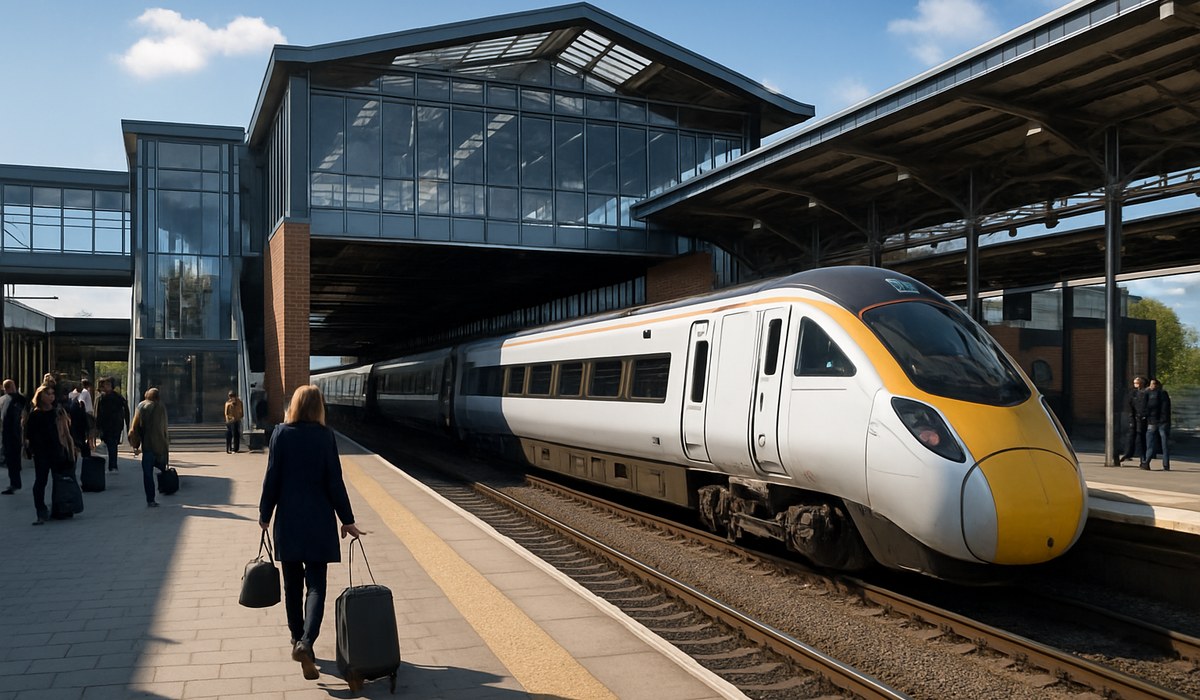
Image generated by AI
Quick Summary • A £298 million rail infrastructure package will upgrade stations across Wales, West Midlands, and Essex by late 2026 • The investment targets regional connectivity, potentially shifting UK tourism patterns away from London-centric travel • Improvements include modernized platforms, enhanced accessibility features, and integrated multimodal transport hubs • Tourism analysts predict a 15-20% increase in visitor numbers to these regions following completion
While London continues to dominate UK tourism headlines, three regions are quietly preparing to rewrite Britain's travel map with a collective £298 million rail station upgrade that promises to unlock previously overlooked destinations for domestic and international visitors alike. The infrastructure transformation targeting travel Wales West corridors alongside key nodes in the Midlands and Essex represents Britain's most significant regional rail investment since the High Speed 2 programme began.
This sweeping modernization initiative arrives at a pivotal moment for UK tourism. Domestic travelers increasingly seek alternatives to crowded metropolitan attractions, while international visitors demonstrate growing interest in authentic regional experiences beyond traditional itineraries. Rail accessibility has historically determined which UK destinations flourish or languish in tourist consciousness—a reality this investment aims to disrupt.
The £298M Investment: Three Regions, One Vision
The capital allocation breaks down across 47 stations spanning the three target regions. Network Rail's infrastructure modernization program has designated Wales as the primary beneficiary, receiving approximately £134 million for 19 stations along key tourist corridors including Swansea-Fishguard and Cardiff-Holyhead routes. These arteries serve as gateways to Pembrokeshire Coast National Park, Snowdonia, and lesser-known coastal villages that have struggled with limited transport links.
West Midlands stations will absorb £97 million across 16 locations. The upgrades concentrate on Birmingham's suburban ring and market towns throughout Shropshire and Worcestershire. Essex claims the remaining £67 million, targeting 12 stations that connect London commuter zones with coastal resort towns like Clacton-on-Sea and Walton-on-the-Naze.
Transport Secretary Fiona Hartley announced the package at Cardiff Central Station on March 28, emphasizing the government's commitment to "levelling up" regional connectivity. "These aren't merely platform improvements," Hartley stated. "We're constructing tourism infrastructure that will generate economic activity for decades."
Each station will receive tailored upgrades based on passenger flow analysis and tourism potential. Common elements include step-free access compliance meeting International Union of Railways standards, real-time digital information boards, expanded cycle storage, and enhanced waiting facilities designed for multi-generational travelers. Several Welsh coastal stations will add dedicated platforms for heritage railway connections, creating seamless links between modern and preserved rail experiences.
What These Rail Upgrades Mean for Travelers
For visitors planning UK itineraries, these infrastructure improvements translate into practical accessibility gains. Journey planning becomes simpler when stations offer reliable facilities and clear connections. A family visiting Pembrokeshire no longer needs rental cars for the final leg—upgraded stations at Haverfordwest and Milford Haven will coordinate with local bus networks and emerging bike-share schemes.
The transformation mirrors how Eurostar's seamless European connections democratized Continental tourism for British travelers. When infrastructure removes friction from multi-leg journeys, destinations previously considered "too difficult" suddenly enter mainstream travel consideration. This principle applies equally to international visitors who increasingly expect integrated transport systems comparable to those in France, Germany, and Japan.
Accessibility improvements carry particular weight for senior travelers and families with young children. Current infrastructure gaps force many visitors into car dependency, limiting their ability to explore regions fully. Post-upgrade, a Birmingham-based retiree can comfortably reach Ludlow's medieval attractions via train and local transport, while international tourists can construct Wales itineraries without hiring vehicles or navigating unfamiliar roads.
The economic multiplier effects resemble patterns observed in other post-investment regions. When Ukraine's emerging tourism infrastructure began expanding air connectivity, analysts documented visitor spending increases of 18-25% within two years. Regional rail upgrades generate similar momentum by reducing psychological barriers to exploration.
Digital integration forms another critical traveler benefit. The station upgrades incorporate contactless payment systems for onward travel, unified ticketing platforms, and real-time capacity indicators—features now standard in leading Asian and European transport hubs. These seemingly minor conveniences dramatically improve visitor experience, particularly for international tourists unfamiliar with UK transport systems. The smooth authorization processes seen in Japan's streamlined travel authorization system demonstrate how removing administrative friction directly correlates with tourism growth.
Regional Tourism Winners: Hidden Gems Now Within Reach
Several destinations stand poised for transformation once improved rail access removes longstanding barriers. Mid-Wales towns like Machynlleth and Aberystwyth have maintained loyal domestic followings despite transport challenges. Enhanced connectivity along the Cambrian Coast line positions these communities to attract European visitors seeking quieter alternatives to Scotland's overcrowded Highlands.
Essex's coastal revival depends heavily on these upgrades. Southend-on-Sea has recently invested £42 million in seafront regeneration, but visitor growth stalled due to dated station facilities that created poor first impressions. The £67 million Essex allocation directly addresses this bottleneck, with Southend Central and Southend Victoria receiving comprehensive modernization. Tourism officials project the improvements will extend average visitor stays from day trips to overnight visits, tripling per-capita spending.
The West Midlands upgrades unlock industrial heritage tourism potential. Towns like Ironbridge and Bewdley possess UNESCO recognition and rich historical narratives but suffer from complicated access requiring multiple transport changes. New interchange facilities at Telford Central and Kidderminster will cut journey complexity, making these destinations viable additions to international itineraries focused on England's cultural heartland.
Market town tourism represents another growth sector. Places like Ludlow, Shrewsbury, and Leominster attract food enthusiasts and history buffs, yet limited parking and congested town centres discourage car-based visits. Rail-dependent tourism models allow these communities to increase visitor numbers without infrastructure strain, preserving the authentic character that draws visitors initially.
Coastal Wales benefits extend beyond passenger convenience. The station upgrades include freight handling improvements supporting local seafood industries and agricultural exports, creating economic foundations for sustainable tourism growth. Communities can develop visitor economies without sacrificing productive sectors—a balance many UK regions struggle to achieve.
Timeline and What to Expect
Construction phases begin in May 2026 across all three regions. Network Rail has structured the rollout to minimize service disruptions, with major work scheduled during traditional off-peak tourism months. Welsh stations receive priority, with 11 locations completing upgrades by November 2026 ahead of the winter tourism season. Remaining Welsh stations finish by March 2027.
West Midlands construction follows a staggered timeline. Birmingham suburban stations begin work in June 2026, with Shropshire and Worcestershire locations commencing in September. Full completion targets December 2027, positioning the region for the 2028 tourism season. Essex maintains the most compressed schedule—all 12 stations aim for completion by August 2027 to capture the following summer holiday period.
Passengers should anticipate temporary platform closures, revised timetables, and replacement bus services during construction windows. Network Rail commits to maintaining at least 85% of normal service levels throughout the work, with full closures limited to overnight hours and weekends outside peak travel periods.
Tourism businesses in affected regions are already adjusting marketing strategies. Visit Wales launched a campaign highlighting "new gateway stations" that will open in late 2026, encouraging advance bookings for spring 2027 travel. West Midlands tourism boards coordinate with accommodation providers to develop rail-inclusive packages launching autumn 2026.
The transformation timeline positions Britain competitively against European destinations investing heavily in rail tourism infrastructure. Spain recently announced €890 million for regional rail upgrades, while France continues expanding its TER network into previously isolated rural areas. Britain's £298 million investment remains modest by Continental standards but targets high-impact nodes where improvements generate disproportionate accessibility gains.
FAQ: UK Rail Station Upgrades 2026
Will these upgrades affect current train schedules? Most services will maintain regular timetables with minor adjustments during construction phases. Network Rail publishes disruption notices 12 weeks in advance, and affected passengers receive compensation under Delay Repay schemes. Expect brief weekend closures on specific routes between May and November 2026.
Can international visitors use these stations easily? All upgraded stations will feature multilingual signage, contactless payment systems accepting international cards, and staff trained in assisting non-English speakers. The improvements specifically address feedback from tourism boards about international visitor experience gaps in regional transport.
Which destinations become most accessible after completion? Pembrokeshire Coast, Snowdonia National Park, the Cambrian Mountains, Ironbridge Gorge, Essex coastal resorts, and West Midlands market towns see the greatest accessibility improvements. Journey times from London to these regions drop by 15-30 minutes on average once all upgrades complete.
Are there environmental benefits to these rail improvements? Transport analysis suggests the upgrades could shift 4.2 million annual car journeys to rail by 2030, reducing regional tourism's carbon footprint by approximately 87,000 tonnes annually. Improved cycle storage and bus connections further encourage low-emission travel choices.
How do ticket prices change with station upgrades? Station improvements do not directly affect fare structures, which remain regulated by the UK government. However, increased competition from improved service quality may pressure operators to offer more advance-purchase discounts and off-peak promotions to fill new capacity.
Related Articles
Disclaimer
This article is for informational and educational purposes only. It does not constitute legal, financial, or professional advice. While we strive to provide accurate and up-to-date information, travel policies, regulations, and conditions change rapidly. Always verify information with official sources before making travel decisions. Nomad Lawyer makes no representations about the accuracy, reliability, completeness, or suitability of the information provided. Readers should consult qualified professionals for advice specific to their circumstances. The views expressed in this article are those of the author and do not necessarily reflect the views of Nomad Lawyer.
Raushan Kumar
Founder & Lead Developer
Full-stack developer with 11+ years of experience and a passionate traveller. Raushan built Nomad Lawyer from the ground up with a vision to create the best travel and law experience on the web.
Learn more about our team →