
Travel Rules Fully Launch April 10: EU Border System Goes Live Amid Airport Chaos
Europe's modernized border crossing system launches April 10, 2026, but major airports struggle with implementation readiness. Travel rules fully change across EU as digital entry requirements begin.

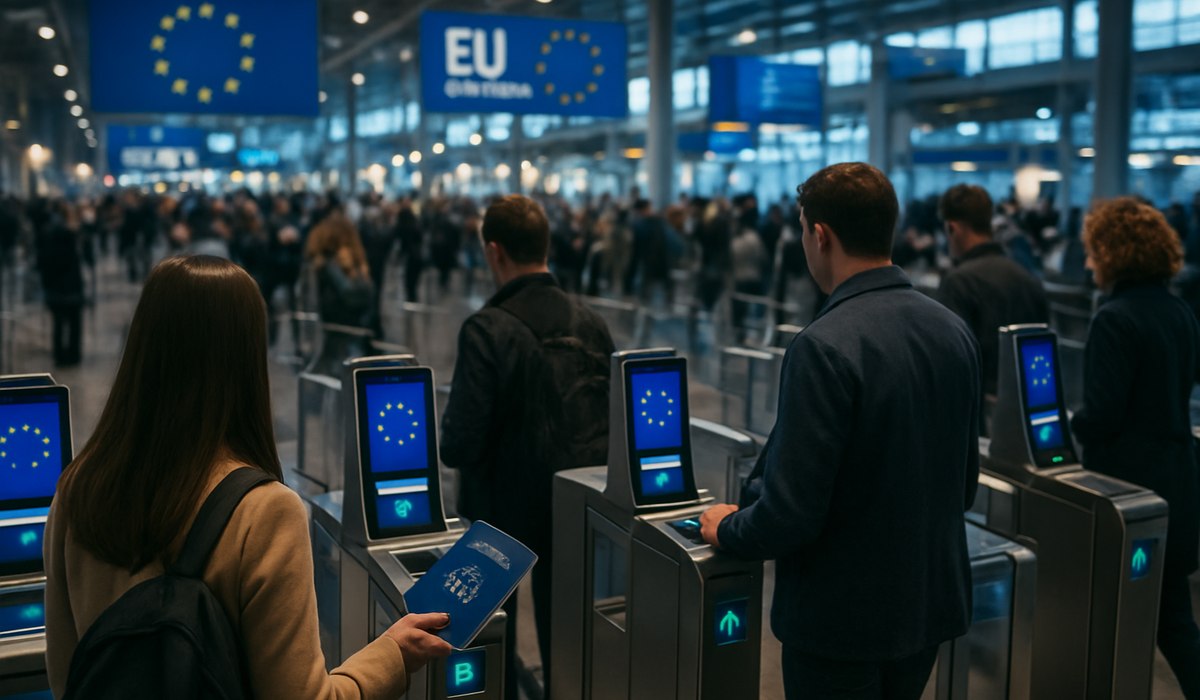
Image generated by AI
Europe's Border Modernization Arrives This Week as Airports Race Against Clock
The European Union's sweeping border crossing overhaul launches April 10, 2026, marking a pivotal moment for international travel across the continent. This comprehensive system modernization introduces digital entry protocols at all major EU airports and land borders. Despite months of preparation, airport operators and airlines report significant infrastructure gaps just days before the mandatory implementation deadline. The initiative aims to streamline passenger processing while enhancing security measures, yet concerns about operational readiness persist across Europe's busiest travel hubs.
What Are the New EU Travel Rules?
The revamped border system fundamentally transforms how travelers enter and move through European territory. Travel rules fully shift from traditional passport-based processing to an integrated digital framework combining biometric data collection, advance passenger information submissions, and real-time risk assessments.
Visitors must now complete digital pre-arrival declarations through a centralized EU portal before stepping foot at any airport. This process replaces scattered national systems that previously operated independently. The new architecture captures fingerprints, facial recognition data, and comprehensive travel itineraries at digital kiosks positioned before traditional border gates. Schengen Area visitors experience the most significant changes, though non-EU citizens face equally demanding requirements.
Airlines must transmit complete passenger manifests 72 hours before departure, enabling border authorities to conduct preliminary screenings. This advance notification system allows airports to optimize staffing and anticipate processing bottlenecks. The EU estimates the new framework will reduce average border crossing times from 15 minutes to 8 minutes once fully operational, though initial implementation phases may see temporary delays.
Are European Airports Ready for Launch?
Airport readiness assessments reveal a mixed picture across major European transportation hubs. Major facilities in Frankfurt, Paris, Amsterdam, and London report infrastructure completion, though staffing training remains incomplete at several locations. Smaller regional airports express acute concerns about maintaining service standards during the transition period.
Hardware installations appear largely on schedule, with biometric kiosks, digital signage, and processing terminals operational at over 180 European airports. However, staff training programs lag behind initial projections at approximately 40% of facilities. Many ground crews and border personnel lack sufficient familiarity with new software protocols and emergency backup procedures.
Baggage handling integration presents another critical vulnerability. Luggage tracking systems must synchronize with the new border framework to prevent processing delays and security gaps. Technical compatibility testing between legacy baggage systems and modernized border infrastructure continues at numerous airports, creating uncertainty about seamless operations on launch day.
What Changes for Business and Leisure Travelers?
Frequent business travelers face the most substantial operational adjustments. Companies must update travel authorization protocols and ensure employees complete pre-arrival digital registrations before each European trip. Weekly commuters will experience the largest time investment adapting to new procedural requirements.
Leisure travelers should expect longer-than-normal processing times during the initial implementation phase. Border queues may extend beyond historical norms throughout April and May 2026 as staff acclimate to new systems. Advance arrival recommendations increase from the traditional two hours to three hours for connecting flights during the transition period.
Visa-exempt travelers experience particular disruption, as traditional stamp-based records transfer to digital databases. This conversion process requires individual verification steps at automated kiosks. Families with children face distinct procedures, as minor biometric data requires parental consent documentation and specialized processing pathways.
Timeline and Next Steps
April 10, 2026 marks the official go-live date for all EU member states and Schengen Area participants. The first week following launch represents a critical observation period where EU officials monitor system performance and identify urgent technical issues requiring immediate remediation.
Airlines have accelerated communication campaigns to notify passengers of new requirements. Most carriers now display detailed pre-travel preparation guides on booking confirmation pages and mobile applications. Ground handling companies have increased staffing levels at key airports to accommodate expected processing delays during the transition week.
The European Commission established emergency support teams stationed at 50 major airports during the launch phase. These rapid response units can address technical failures, staff confusion, and passenger processing bottlenecks in real-time. Contingency protocols allow temporary manual processing if digital systems experience widespread failures, though officials hope such measures prove unnecessary.
Follow real-time airport operations and flight status updates through FlightAware, which provides live tracking of flights across European airports throughout the implementation period.
Key Facts About the EU Border System Launch
| Factor | Details |
|---|---|
| Launch Date | April 10, 2026 |
| Participating Countries | All 27 EU member states + 4 Schengen Area nations |
| Airports Affected | 180+ facilities across Europe |
| Digital Kiosks Installed | 4,200+ biometric processing stations |
| Pre-arrival Requirement | 72-hour advance passenger declaration |
| Expected Processing Reduction | 15 minutes to 8 minutes per traveler |
| Staff Training Status | 60% completion rate across Europe |
| Emergency Support Teams | 50 stationed at major hubs |
| Contingency Manual Processing | Available at all locations if needed |
What This Means for Travelers
Traveler Action Checklist
-
Register with your airline's travel notification system by April 8 to ensure your contact information is current for any schedule changes or alerts.
-
Complete your digital pre-arrival declaration exactly 72 hours before your scheduled departure from any non-EU origin point.
-
Gather required documentation including valid passport, visa (if applicable), and any special travel authorization certificates your destination requires.
-
Arrive at the airport three hours before departure instead of the traditional two hours, accounting for extended processing during launch week.
-
Download your airline's mobile app to access real-time travel updates, gate information, and any system-related delay notifications.
-
Prepare digital copies of important documents including travel insurance, hotel reservations, and return flight confirmations to present if border officials request verification.
-
Check visa-exempt status on official EU government websites specific to your nationality at least one week before departure.
-
Contact your airline immediately if you haven't received pre-departure instructions by April 8, as this indicates potential registration issues.
Business travelers should anticipate that typical European business trip rhythms will face disruption throughout April and May. Plan additional buffer time between connecting flights. Leisure travelers booking multi-country itineraries should route connections through established major hubs where staff training rates exceed 75%.
Frequently Asked Questions
Q: Do I need a visa to enter the EU with the new system?
A: Visa requirements remain unchanged by the border system launch. Visa-exempt travelers from 60+ nations still don't need advance visas, but must now complete digital declarations instead of relying on passport stamps. Check your specific nationality on the EU's official website for current requirements.
Q: Will the new rules fully affect travelers connecting through EU airports?
A: Yes, all passengers transiting through EU airports must comply with new digital processing requirements, even if traveling to non-EU destinations. However, connecting passengers with shorter layover times may receive expedited processing lanes at major hubs.
Q: How much time should I add to my travel schedule during launch week?
A: Plan an additional 60-90 minutes for airport processing during April 10-17. By late April, processing times should normalize closer to pre-modernization speeds as staff familiarity improves and system efficiency increases.
Q: What happens if the digital system fails at my departure airport?
A: EU contingency protocols allow temporary manual processing using traditional passport-based methods. The EU guarantees no flight cancellations due to system failures, though delays may occur while staff switches to backup procedures.
Traveler Resources and Support
For comprehensive information about passenger rights during this transition period, consult the [US Department of Transportation Consumer Protection
Disclaimer
This article is for informational and educational purposes only. It does not constitute legal, financial, or professional advice. While we strive to provide accurate and up-to-date information, travel policies, regulations, and conditions change rapidly. Always verify information with official sources before making travel decisions. Nomad Lawyer makes no representations about the accuracy, reliability, completeness, or suitability of the information provided. Readers should consult qualified professionals for advice specific to their circumstances. The views expressed in this article are those of the author and do not necessarily reflect the views of Nomad Lawyer.
Kunal K Choudhary
Co-Founder & Contributor
A passionate traveller and tech enthusiast. Kunal contributes to the vision and growth of Nomad Lawyer, bringing fresh perspectives and driving the community forward.
Learn more about our team →