
Travel Lifestyle Priority Reshapes Indian Consumer Spending in 2026
Indian travelers now view vacations as lifestyle essentials, not luxuries, with 75% prioritizing experience-based trips like wellness retreats and cultural events despite economic pressures in 2026.

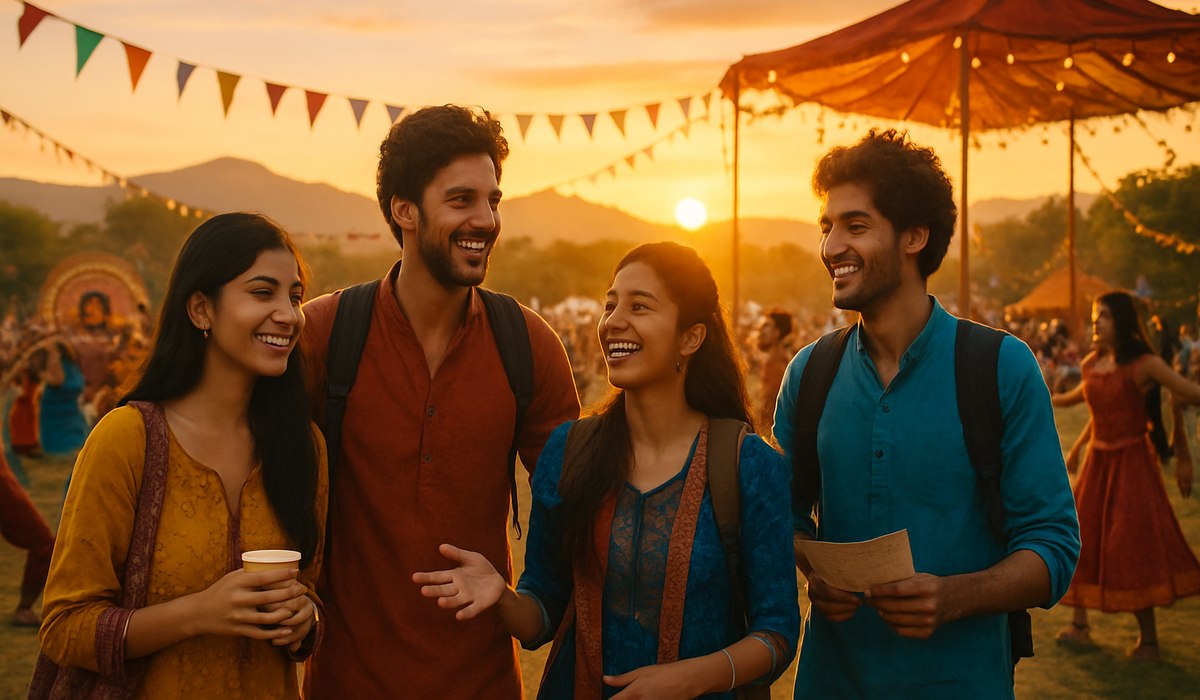
Image generated by AI
Travel as Lifestyle Necessity, Not Luxury
Indian consumers have fundamentally transformed their relationship with travel, elevating vacations from discretionary purchases to essential lifestyle components. Recent market research reveals that despite mounting inflationary pressures and economic headwinds, Indian travelers continue prioritizing experiential trips with unwavering commitment. This seismic shift represents a departure from traditional spending patterns where travel was reserved for special occasions or significant milestones. Today's Indian wanderers integrate journeys into their regular wellness routines, personal development calendars, and cultural engagement strategies. The transition signals broader lifestyle philosophy changes where experiences rank alongside housing, healthcare, and education as fundamental quality-of-life investments rather than optional indulgences.
Experience-Based Travel Dominance
The travel lifestyle priority among Indian consumers centers squarely on curated, purpose-driven expeditions rather than conventional sightseeing tours. Modern Indian travelers design itineraries around specific activities, cultural immersion, and personal passion projects. Three-quarters of surveyed travelers expressed enthusiasm for attending concerts, music festivals, and regional cultural celebrations during their journeys. An equally substantial percentage sought wellness-focused retreats combining spa treatments, yoga sessions, and holistic health practices. This experience-centric model reflects evolving demographic preferences where millennials and Gen-Z travelers command purchasing decisions. Cruise vacations, sporting event tourism, and hobby-specific trips—from photography workshops to culinary expeditions—dominate travel booking conversations. The shift demonstrates that Indian consumers willingly invest premium pricing for meaningful encounters and transformative experiences.
For deeper insights on wellness-focused travel planning, explore global wellness tourism trends at Global Wellness Institute.
Emerging Travel Preferences and Activities
Indian travelers are pioneering distinctive vacation categories that blend leisure with personal enrichment. Wellness retreats combining Ayurvedic treatments, meditation, and fitness programs attract health-conscious professionals seeking rejuvenation. Cultural tourism has exploded, with travelers attending regional festivals, heritage site explorations, and traditional arts performances. Sports tourism emerges as a growing category, encompassing cricket tournaments, adventure sports expeditions, and international athletic events. Hobby-based experiences—woodworking workshops, photography tours, cooking classes—cater to skill-building aspirations. Virtual reality previews and Instagram-worthy destinations influence destination selection heavily. Adventure tourism including trekking, paragliding, and wildlife safaris appeals to younger demographics. The travel lifestyle priority framework encompasses multi-interest trips where single vacations combine wellness, culture, adventure, and social connection simultaneously. This bundling approach justifies premium spending despite economic uncertainties.
Rising Costs and Financial Resilience
Economic pressures including inflation, currency fluctuations, and airfare volatility haven't deterred Indian travel spending momentum. Flight fares increased 18-22% year-over-year across major domestic and international routes. Hotel accommodations in popular destinations surged 15-20% despite these increases. Ground transportation, dining, and activity costs climbed proportionally. Yet Indian travelers adapted through strategic booking windows, loyalty program utilization, and flexible travel dates. Middle-class Indian households maintain travel budgets despite household expense pressures, viewing vacations as non-negotiable. Credit availability and buy-now-pay-later schemes enabled continued spending among price-sensitive segments. Travel insurance adoption increased 35% as travelers sought protection against cancellations and unexpected costs. The paradox reveals consumer psychology where travel lifestyle priority supersedes traditional cost-avoidance impulses. Travel spending maintains growth trajectory despite macroeconomic headwinds affecting retail consumption.
Visit IATA's travel cost analysis for current airfare trends and industry forecasts.
Market Implications for Travel Industry
Travel service providers face unprecedented demand requiring structural business model adaptations. Airlines expanded capacity on domestic and international routes serving Indian markets. Hospitality chains launched experience-bundled packages combining accommodations with curated activities. Travel agencies evolved toward lifestyle consultancy roles rather than transactional booking functions. Wellness resort developments accelerated across Goa, Kerala, Himalayas, and emerging wellness destinations. Festival tourism infrastructure investments grew dramatically with specialized tour operators entering the market. The travel lifestyle priority phenomenon creates opportunities for boutique operators, experiential platforms, and niche travel specialists. Market consolidation accelerates as larger travel companies acquire experience-focused startups. Regional tourism boards expanded marketing investments targeting experience-driven segments. Technology platforms enabling experience discovery and booking attracted substantial venture capital. Digital transformation priorities shifted toward personalization engines matching travelers with relevant experiences rather than basic accommodation-flight bundles.
Key Data Points: Indian Travel Landscape 2026
| Metric | Percentage/Value | Impact |
|---|---|---|
| Travelers viewing vacations as lifestyle essential | 75% | Sustained demand despite economic pressure |
| Interest in cultural events and festivals | 75% | Festival tourism market acceleration |
| Interest in wellness retreats | 75% | Wellness resort development boom |
| Interest in cruise vacations | 75% | Cruise industry expansion in Indian market |
| Interest in sports event tourism | 75% | Adventure and sports tourism growth |
| Domestic airfare increase YoY | 18-22% | Rising travel costs affecting budgets |
| Hotel accommodation cost increase | 15-20% | Premium accommodation price pressures |
| Travel insurance adoption growth | 35% | Risk management prioritization |
| Middle-class travel spending growth | 12-15% | Resilient consumer demand trajectory |
| Credit/financing utilization for travel | 28% | BNPL scheme reliance increasing |
What This Means for Travelers
Indian travelers navigating the 2026 landscape should implement strategic approaches addressing rising costs while maintaining vacation quality and frequency. Here's your action plan:
-
Book strategically during shoulder seasons (May-June, September-October) when demand softens and pricing becomes competitive despite inflation trends affecting all months.
-
Leverage travel loyalty programs and credit card points aggressively, since airline and hotel partnerships offer meaningful savings offsetting 10-15% cost increases.
-
Consider experience-bundled packages where travel operators provide integrated wellness-culture-adventure combinations, often delivering better value than à la carte booking approaches.
-
Invest in comprehensive travel insurance given the 35% growth in coverage adoption; protection against cancellations, medical emergencies, and trip disruptions justifies modest premium costs.
-
Explore emerging wellness destinations beyond established Kerala and Goa options—emerging Himalayan and rural retreats offer comparable experiences at 20-30% lower costs.
-
Join travel communities and experience-sharing platforms enabling peer recommendations, group discounts, and early access to experience bookings before public availability.
-
Extend trip duration strategically by combining multiple experiences into single journeys, reducing per-experience costs while deepening cultural immersion and personal satisfaction.
Frequently Asked Questions
Q: How do Indian travelers justify premium travel spending amid economic pressures? Indian consumers increasingly categorize vacations alongside essential expenses like healthcare and education rather than discretionary entertainment. The travel lifestyle priority reflects lifestyle philosophy shifts where experiential investments enhance wellbeing, personal development, and social connection. Financial resilience derives from prioritizing travel over other consumer categories and utilizing credit/financing options.
Q: Which experience types show the strongest growth among Indian travelers? Wellness retreats combining Ayurveda, yoga, and meditation attract 75% interest levels. Cultural festival attendance ranks equally with wellness at 75% participation interest. Sports event tourism, cruise vacations, and hobby-based experiences each command comparable 75% enthusiasm rates, indicating diversified experience preference rather than single-category dominance.
Q: How has inflation impacted Indian travel demand patterns? Paradoxically, inflation hasn't reduced travel demand—instead, it shifted purchasing behaviors toward premium experience bundles and strategic booking approaches. Travelers extend booking lead times, utilize loyalty programs, and select flexible travel dates capturing lower fares. Buy-now-pay-later schemes enabled continued spending despite higher nominal
Disclaimer
This article is for informational and educational purposes only. It does not constitute legal, financial, or professional advice. While we strive to provide accurate and up-to-date information, travel policies, regulations, and conditions change rapidly. Always verify information with official sources before making travel decisions. Nomad Lawyer makes no representations about the accuracy, reliability, completeness, or suitability of the information provided. Readers should consult qualified professionals for advice specific to their circumstances. The views expressed in this article are those of the author and do not necessarily reflect the views of Nomad Lawyer.
Preeti Gunjan
Contributor & Community Manager
A passionate traveller and community builder. Preeti helps grow the Nomad Lawyer community, fostering engagement and bringing the reader experience to life.
Learn more about our team →