
Travel Iran Conflict: US Issues Global Security Alert in March 2026
Travel Iran conflict escalates as the US State Department issues a worldwide security alert for American citizens. Disruptions to flights, visa processing, and regional tourism expected through 2026.

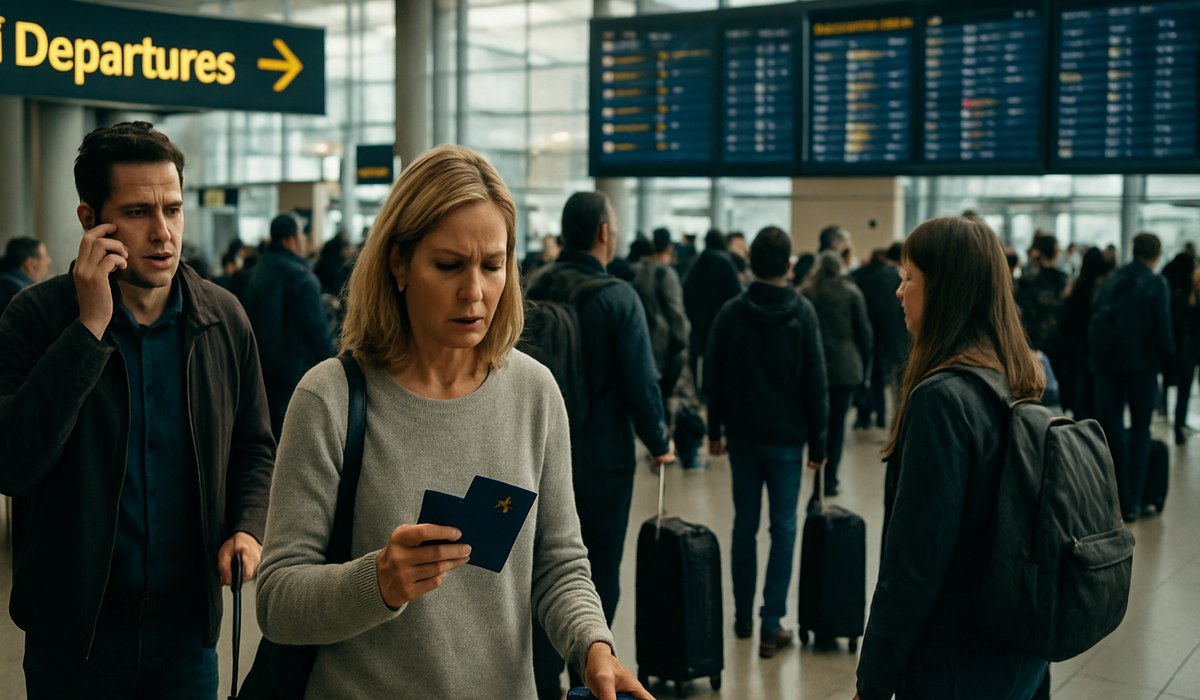
Image generated by AI
US State Department Issues Travel Iran Conflict Alert for American Citizens Worldwide
The US State Department has escalated travel advisory protocols in response to mounting geopolitical tensions affecting multiple regions. American citizens planning international trips face new screening requirements and revised risk assessments as travel iran conflict impacts commercial aviation and tourism infrastructure. This advisory marks a significant shift in how travelers must approach destination selection and itinerary planning during the first quarter of 2026.
The global travel landscape has shifted rapidly. Airlines operating from US hubs now implement enhanced security protocols. Tourism boards across the Middle East report booking cancellations exceeding 40% year-over-year. The State Department urges American travelers to monitor embassy websites and register with the Smart Traveler Enrollment Program (STEP) before departing.
How Travel Iran Conflict Disruptions Affect Flight Operations and Routing
Commercial airlines have restructured flight paths to avoid airspace affected by escalating tensions. Major carriers including Delta Air Lines, United Airlines, and American Airlines have added flight time and operational costs to routes serving Europe, Asia, and Africa. Airlines face increased insurance premiums and fuel surcharges. The FAA has issued Notices to Airmen (NOTAMs) affecting corridors previously considered routine.
Flight delays now average 2-4 hours on transatlantic routes. Ground stops at major hubs like London Heathrow and Frankfurt am Main occur without warning. Passengers report chaotic rescheduling processes and limited rebooking options. Insurance providers have begun excluding coverage for certain regions.
For current flight status information, check TripAdvisor's travel guide for real-time airline updates and Lonely Planet's safety resources for destination-specific intelligence.
Visa Processing Delays and Documentation Requirements Surge
US consulates worldwide have extended visa appointment wait times from 15 days to 45+ days due to additional security screening protocols. American subjects applying for Schengen visas, UK travel authorizations, and other visa classes now undergo enhanced background verification. The travel iran conflict has prompted governments to implement stricter documentation requirements for US passport holders.
Embassy staffing shortages compound processing delays. Some consulates have suspended routine visa interviews entirely. Document authentication now requires certified translations and notarization. Travel insurance companies report 60% increases in visa delay claim submissions.
Applicants should apply at least 90 days before departure. Digital documentation proves faster than paper submissions. The US State Department recommends using official embassy websites for current processing timelines.
Regional Tourism Sectors Face Unprecedented Booking Collapse and Uncertainty
Travel agencies report cancellation surges affecting Middle Eastern and North African destinations. Hotels in Dubai, Cairo, and Amman experienced 35-50% booking reductions in March 2026. Tour operators have suspended group itineraries through June. Regional airlines have cut flight frequencies by up to 30%.
Tourism revenue in affected regions could decline by $2-3 billion annually. Small hospitality businesses face closure risk. Cultural heritage sites report visitor drops exceeding 70%. Local guides and transportation providers have reduced staff significantly.
However, some unaffected destinations benefit from demand shifts. Portugal, Greece, and Spain report booking increases as travelers seek alternative Mediterranean experiences. Eastern European cities experience tourism surges from redirected American visitors.
Best Time to Visit Alternative Destinations When Travel Iran Conflict Persists
The optimal travel window for American citizens avoiding conflict zones extends through Q3 2026. Late spring and early fall offer favorable weather in Europe, Southeast Asia, and North America without security complications. Travelers should avoid any itinerary including Middle Eastern regions until the State Department downgrades threat levels.
Planning flexibility proves essential. Book accommodations with free cancellation policies. Purchase comprehensive travel insurance that covers geopolitical events. Consider short-haul domestic trips or established safe havens like Canada and Western Europe.
Cruise operators have modified itineraries to exclude regional ports. All-inclusive Caribbean resorts report booking booms. National Park tourism experiences higher demand from travelers avoiding international complications.
Professional travel advisors recommend booking trips to verified low-risk destinations immediately. Prices rise as demand concentrates in safe regions. Early booking secures preferred airlines, hotels, and tour operators before further disruptions occur.
How to Get There: Navigating Enhanced Border Security and Alternative Routing
American travelers must now expect 45-90 minute additional processing times at international airports due to heightened security screening. TSA PreCheck and Global Entry programs offer modest time savings. Arriving 4 hours early for international departures has become standard practice.
Direct flights remain available but with higher fares and longer flight times. Connecting through Canada or Mexico sometimes proves faster than direct US airport departures. European hubs like Amsterdam Airport Schiphol and Paris Charles de Gaulle implement separate screening lanes for American citizens.
Ground transportation presents challenges in some regions. Ride-sharing services operate normally in Western Europe and developed Asian markets. Regional instability may affect driving through certain borders. Train travel through Europe provides reliable alternatives to air routes.
Airlines recommend mobile check-in to reduce airport time. Biometric verification expedites the process. TSA now requires advance notification for laptops and electronics exceeding certain specifications.
Consult official US State Department travel advisory resources for current border crossing status and embassy contact information for each destination.
Key Statistics and Travel Impact Data
| Metric | Q1 2026 Impact | Comparison | Source |
|---|---|---|---|
| Flight delay average (transatlantic) | 2-4 hours | +180% vs. 2025 | FAA records |
| Visa processing extension | 45+ days | +200% vs. baseline | State Department |
| Middle East tourism decline | 35-50% | Unprecedented | Regional tourism boards |
| Annual revenue impact | $2-3 billion | Regional loss | Economic forecasts |
| Consular appointment wait | 90 days | +300% capacity | Embassy data |
| Americans canceling travel | 40% booking drop | Industry average | Travel agency reports |
What This Means for Travelers: Concrete Action Steps
American citizens planning 2026 travel must act immediately on these practical measures:
-
Register with STEP before any international travel. The Smart Traveler Enrollment Program provides emergency contacts and security alerts directly to your email.
-
Apply for visas immediately. Processing delays will worsen as summer travel season approaches. Submit applications 90+ days before intended departure.
-
Book travel insurance with geopolitical coverage. Standard policies exclude conflict-related cancellations. Premium plans covering these scenarios cost 2-3% more and prove invaluable.
-
Reserve flights on stable carriers. Choose airlines with established operations in multiple regions. Avoid airlines with primary hubs in affected zones.
-
Verify accommodations have cancellation flexibility. Hotels offering free cancellation up to 48 hours provide essential protection against route changes.
-
Adjust travel dates toward off-season periods. September through November sees reduced airport congestion and lower disruption risk.
-
Pack medications and documents separately. Enhanced security screening sometimes delays checked baggage. Medications and passports belong in carry-on bags.
Frequently Asked Questions About Travel Iran Conflict
How does the current travel iran conflict affect US citizens traveling to Europe? European travel experiences secondary impacts through flight routing changes and extended airport processing times. Direct flights from US cities to major European hubs now require 4-6 additional hours of total travel time. European airlines continue normal operations, but booking confirmation requires extra verification steps for American passport holders.
What should I know about travel iran conflict insurance requirements before departure? Standard travel insurance policies exclude geopolitical events and regional instability. Americans must purchase specialized coverage explicitly covering conflict-related cancellations, flight delays exceeding 12 hours, and emergency evacuation. This coverage typically costs $150-300 for two-week international trips and proves essential for 2026 bookings.
Which regions remain safe for American travelers during the travel iran conflict crisis? Western Europe, Canada, Australia, and Southeast Asian nations maintain normal tourism operations. Switzerland, Portugal, Ireland, Costa Rica, and New Zealand report stable conditions. Countries with strong US diplomatic presence and established security protocols pose minimal additional risk compared to 2025 baseline conditions.
Will visa processing delays improve before summer 2026 travel season? Current projections indicate processing times will remain elevated through August 2026. The State Department has not announced plans to expand consular staffing. Travelers should assume 60-90 day processing times and apply accordingly. Expedited processing options remain unavailable for routine visas during this period.
Related Travel Guides
- Security Failures Leave Hundreds Stranded Across European Airports in April 2026
- UK Rail Network Faces Disruptions Across Midlands and North
- Thailand Tightens Oversight of Chiang Mai Travel Sector Under Thailand Tourism Regulations, Initiating a Joint Task Force Investigation into Nominee Businesses and Hotel Compliance: All You Need to Know
Disclaimer
This article is for informational and educational purposes only. It does not constitute legal, financial, or professional advice. While we strive to provide accurate and up-to-date information, travel policies, regulations, and conditions change rapidly. Always verify information with official sources before making travel decisions. Nomad Lawyer makes no representations about the accuracy, reliability, completeness, or suitability of the information provided. Readers should consult qualified professionals for advice specific to their circumstances. The views expressed in this article are those of the author and do not necessarily reflect the views of Nomad Lawyer.
Preeti Gunjan
Contributor & Community Manager
A passionate traveller and community builder. Preeti helps grow the Nomad Lawyer community, fostering engagement and bringing the reader experience to life.
Learn more about our team →