
Travel India Safe: WanderOn's Summer Campaign Reshapes Indian Tourism
WanderOn launches Safe Summer campaign in March 2026, marking a major shift as Indian travellers embrace Southeast Asia and domestic getaways. Travel behaviour transforms with new safety-focused initiatives.

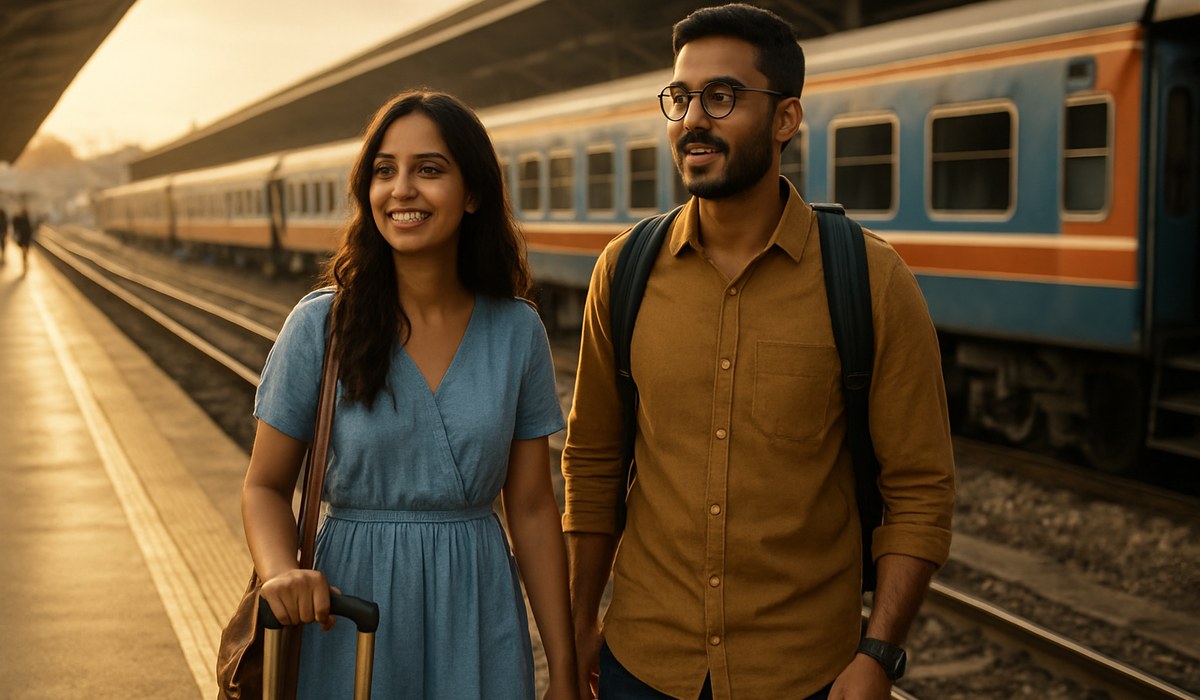
Image generated by AI
Indian Travel Market Transforms With Safety-Focused Summer Initiative
WanderOn, a major experiential travel platform, has unveiled its Safe Summer campaign this March 2026, directly addressing evolving traveller priorities across India. The initiative signals a fundamental shift in how Indian holidaymakers plan vacations, with growing demand for destinations that prioritize health, security, and sustainable tourism practices. This campaign reflects broader travel behaviour changes accelerating throughout the Indian tourism sector, particularly among domestic travellers seeking reliable, verified experiences.
The Safe Summer push arrives as Indian tourists increasingly redirect spending toward Southeast Asia and within domestic borders rather than traditional long-haul routes. Market analysts attribute this movement to heightened awareness around destination safety protocols, traveller health standards, and transparent vendor practices—all central to WanderOn's new framework.
The Safe Summer Campaign: What Indian Travellers Now Demand
The Safe Summer initiative establishes comprehensive safety benchmarks across WanderOn's curated experiences and partner accommodations. Indian travellers booking through this campaign gain access to verified hygiene certifications, transparent health protocols, and 24/7 support networks—critical elements reshaping customer confidence in 2026.
WanderOn's framework includes real-time destination health dashboards, emergency response partnerships, and documented safety records from partner hotels, resorts, and local operators. The campaign covers both international and domestic itineraries, enabling Indian families to filter experiences by verified safety credentials rather than guesswork.
This approach addresses a specific market gap identified by travel behaviour research: Indian tourists want documented proof of safety standards before committing to bookings. WanderOn's safety badges appear on each listing, detailing everything from medical facility proximity to staff training certifications.
Why Southeast Asia Captures Indian Summer Travellers in 2026
Southeast Asian destinations have become the preferred summer escape for Indian tourists seeking optimal travel india safe experiences. Thailand, Vietnam, and Indonesia offer proximity, affordable pricing, established tourism infrastructure, and increasingly robust health certification systems that appeal to safety-conscious Indian families.
Airlines like Air Asia and major carriers from Indian hubs (Delhi NCR, Mumbai, Bangalore) have expanded Southeast Asia routes significantly through 2026. Flight frequency increases mean competitive pricing and flexibility for Indian summer holiday planning.
The region's tourism boards have strengthened health and safety marketing campaigns specifically targeting Indian travellers. Thailand's tourism authority and Vietnam's official tourism channels actively promote certified accommodations and verified attractions to Indian audiences, directly supporting travel india safe narratives.
Southeast Asia's tourism ecosystem aligns perfectly with Indian traveller expectations: short flight times (3-5 hours from major Indian metros), visa accessibility for Indian citizens, cultural familiarity, and established medical facilities. These factors combine to make Southeast Asia the default summer choice for millions of Indian holidaymakers.
Domestic Indian Tourism Surges as Alternative to International Escapes
India's own hill stations, coastal regions, and adventure destinations are experiencing unprecedented summer booking volumes. Kerala backwaters, Himachal Pradesh mountain retreats, Goa beaches, and Rajasthan heritage circuits all report strong 2026 summer reservations, particularly through safety-certified platforms.
Domestic travel eliminates visa complications, reduces carbon footprints, and supports local Indian tourism economies. Indian travellers increasingly recognize that verified domestic accommodations and guides meet international safety standards. State tourism departments across Kerala, Maharashtra, and Uttarakhand have implemented their own safety certification programs to compete with international destinations.
The Indian Railways and major hotel chains (Taj Hotels, ITC Hotels, IHCL properties) prominently feature safety certifications across their summer packages. These corporate commitments signal institutional confidence in India's tourism safety infrastructure, influencing family holiday decisions.
Best Time to Visit for Safe Summer Experiences
Summer in India spans April through June, with monsoon arriving by late June in coastal and Western regions. Travellers seeking optimal weather conditions for domestic Indian escapes should target April and early May, when temperatures remain manageable and rainfall stays minimal.
For Southeast Asia summer travel, the window extends through August, though Indian families traditionally plan May-July journeys around school holidays. Thailand and Vietnam experience monsoon influence but maintain tourist infrastructure and reduced crowding compared to peak seasons.
Hill stations in Himachal Pradesh (Manali, Shimla) and Uttarakhand (Mussoorie, Nainital) offer ideal conditions April through June, with pleasant temperatures and clear visibility. Coastal Kerala remains warm but manageable May through July before heavy monsoon rains intensify.
WanderOn's summer campaign specifically promotes early April bookings for maximum destination flexibility and availability. Last-minute summer packages typically release in late May for June-July travel, offering potential discounts for flexible Indian travellers.
How to Get There: Routes and Airlines Serving Indian Summer Travellers
Direct flights from Delhi's Indira Gandhi International Airport (DEL) and Mumbai's Bombay High International Airport (BOM) serve both Southeast Asian and domestic Indian summer routes extensively. Air India, IndiGo, SpiceJet, and Go Airlines operate frequent departures to popular summer destinations within India and across Southeast Asia.
For Southeast Asia access, major Indian airports in Delhi, Mumbai, Bangalore (BLR), and Hyderabad (HYD) offer multiple daily departures to Bangkok, Ho Chi Minh City, Jakarta, and other regional hubs. Flight durations from Indian metros range from 3-5 hours, making same-day travel feasible with early morning departures.
Domestic summer routes see increased capacity on trains via Indian Railways (particularly the premium Rajdhani and Shatabdi express services) and regional flights. Hill station access via Chandigarh, Dehradun, and Indore airports reduces travel time for northern Indian summer getaways.
WanderOn's campaign partner airlines provide co-branded booking options with documented safety measures, pandemic-era ventilation upgrades, and medical crew certifications. Direct flight options reduce travel time and intermediate exposure, aligning with travel india safe priorities of summer 2026 holidaymakers.
Safety Certifications and Health Standards for Indian Summer Packages
All WanderOn-featured accommodations undergo third-party safety audits covering hygiene protocols, medical emergency preparedness, and staff training documentation. Indian travellers receive digital certificates confirming verification status before booking confirmation.
Hotels, resorts, and guesthouses across domestic India and Southeast Asia participating in the Safe Summer campaign display specific certifications: WHO hygiene standards, local health ministry approvals, and independent inspector ratings. These transparent credentials address the core concern of safety-conscious Indian families.
Medical facility partnerships ensure summer travellers access rapid healthcare support. WanderOn's safety framework maps nearest hospitals, 24/7 medical hotlines, and insurance provider networks for each destination. Indian travellers can verify medical credentials and response times before finalizing bookings.
Staff vaccination records, guide certifications, and driver background checks represent additional layers of transparency. Indian families benefit from comprehensive safety documentation previously unavailable through traditional travel agencies.
| Safety Criterion | WanderOn Verification | Indian Standard | Southeast Asia Standard | Domestic Requirement |
|---|---|---|---|---|
| Hygiene Certification | Third-party audit | NATA approved | WHO aligned | State health board |
| Medical Facility Proximity | <10 km radius documented | JCI accredited hospitals | International standards | State-approved clinics |
| Staff Vaccination Records | 100% verification required | Government mandated | Full immunization proof | Ministry of Health verified |
| Emergency Response Time | <30 minutes guaranteed | 24/7 hotline provided | Multilingual support | Regional coordination |
| Travel Insurance Coordination | Integrated partnership | GST-compliant policies | International coverage | Domestic policy included |
| Guide Credentials | Background check documented | ATOAI certified | Local licensing verified | Government registration |
What This Means for Indian Summer Travellers in 2026
Indian families planning 2026 summer holidays should act on these three immediate priorities:
-
Book through verified platforms like WanderOn that provide transparent safety documentation before payment. Compare safety badges across multiple listings rather than price alone.
-
Choose April-May travel for domestic India trips and May-June for Southeast Asia escapes to secure optimal weather conditions and destination availability. Early booking (6-8 weeks advance) accesses premium verified accommodations.
-
Purchase comprehensive travel insurance with medical evacuation coverage. Verify that your policy covers both domestic India destinations and your chosen Southeast Asian country, documented before departure.
-
Download offline safety resources including hospital locations, emergency contact numbers, and insurance provider details in digital and physical formats.
-
Communicate with booking platforms regarding any special health requirements or accessibility needs. WanderOn's 24/7 support systems integrate these details into your pre-travel documentation.
The shift toward safety-certified travel represents a maturation of Indian tourism expectations. Summer 2026 bookings reflect traveller intelligence—demanding transparency and verification rather than accepting marketing claims at face value.
Frequently Asked Questions About Summer Travel India Safe Experiences
Is travel india safe through WanderOn's Safe Summer campaign? Yes. WanderOn's Safe Summer campaign features only verified accommodations and destinations meeting documented safety standards. Each listing displays third-party audit certificates, medical facility distances, and staff certifications before booking. Indian travellers receive real-time support networks and insurance coordination, providing confidence absent from traditional booking methods in 2026.
When should Indian families book summer holidays for the best safety-verified options? Book in February-March for April-May domestic travel and March-April for May-June Southeast Asia trips. Early booking secures premium safety-certified accommodations before inventory depletion. Last-minute packages release in May but offer limited verified provider options. WanderOn recommends 6-8 weeks advance booking for optimal safety documentation and destination flexibility.
Which Southeast Asian destinations rank highest for travel india safe standards? Thailand consistently receives highest safety ratings among Indian travellers, followed by Vietnam and Indonesia. These countries maintain established tourism infrastructure, multilingual medical facilities, and tourism boards actively promoting to Indian visitors. Both domestic India and these Southeast Asian destinations meet comparable international safety certification standards throughout 2026.
How does WanderOn's campaign differ from traditional Indian travel agencies? WanderOn provides transparent, documented safety credentials before booking rather than post-purchase discovery. Traditional agencies rarely offer real-time health dashboards, staff verification documentation, or integrated 24/7 support networks. The Safe Summer campaign represents a technology-enabled evolution addressing specific 2026 traveller concerns about destination transparency and health protocols.
Related Travel Guides for Indian Summer Planning
Southeast Asia Budget Travel: Safe Backpacking Routes for Indian Tourists
Domestic India Summer Destinations: Hill Stations and Coastal Escapes 2026
Travel Insurance Essentials for Indian International Summer Holidays
Disclaimer
This article is for informational and educational purposes only. It does not constitute legal, financial, or professional advice. While we strive to provide accurate and up-to-date information, travel policies, regulations, and conditions change rapidly. Always verify information with official sources before making travel decisions. Nomad Lawyer makes no representations about the accuracy, reliability, completeness, or suitability of the information provided. Readers should consult qualified professionals for advice specific to their circumstances. The views expressed in this article are those of the author and do not necessarily reflect the views of Nomad Lawyer.
Raushan Kumar
Founder & Lead Developer
Full-stack developer with 11+ years of experience and a passionate traveller. Raushan built Nomad Lawyer from the ground up with a vision to create the best travel and law experience on the web.
Learn more about our team →