
Travel Alert Tensions Escalate: U.S. Spring 2026 Disruptions
Travel alert tensions surge across U.S. airports in March 2026 as Middle East geopolitical risks and TSA staffing shortages create spring travel chaos affecting thousands of passengers.

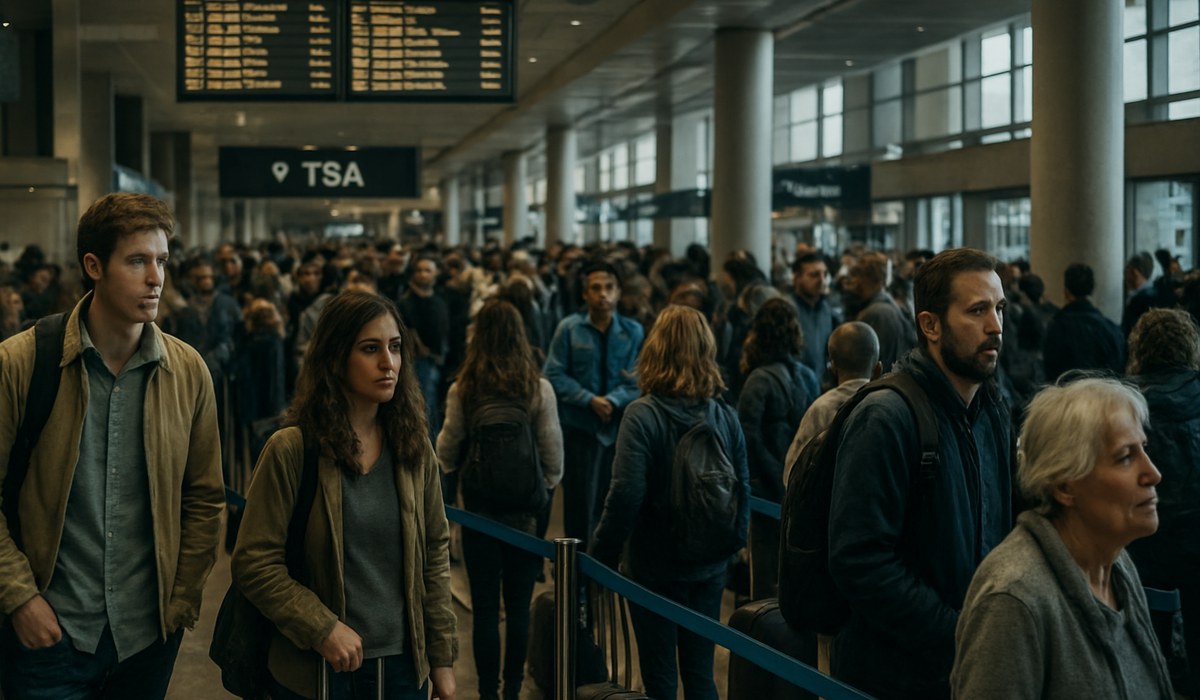
Image generated by AI
Breaking Travel Alert Tensions Impact U.S. Airports and Spring Plans
United States airports face unprecedented travel alert tensions in late March 2026 as a convergence of geopolitical concerns and operational staffing challenges disrupts spring travel patterns nationwide. The State Department issued elevated security guidance for Middle East travel corridors on March 24, 2026, while Transportation Security Administration (TSA) facilities simultaneously struggle with staffing reductions. Major international hubs including Atlanta Hartsfield-Jackson (ATL), Chicago O'Hare (ORD), and Los Angeles International (LAX) report security checkpoint wait times exceeding 90 minutes during peak hours. These dual pressures create cascading delays for transatlantic and Middle Eastern routes throughout the week, leaving travelers scrambling to adjust itineraries and connect flights before spring break concludes.
State Department Travel Alert Tensions and Middle East Route Restrictions
The U.S. State Department elevated travel advisory levels for multiple Middle Eastern destinations on March 24, 2026, directly triggering aviation industry-wide operational changes. Travel alert tensions now encompass heightened screening protocols at 23 domestic airports serving as connecting hubs for Middle Eastern routes. Airlines including United Airlines, American Airlines, and Delta Air Lines implemented mandatory additional security checks for passengers booked on flights to Tel Aviv (TLV), Dubai (DXB), and Doha (DOH). These supplementary screening measures, separate from routine TSA protocols, add 15-25 minutes per passenger at departure gates. Travelers flying international routes through these regions should expect longer total terminal times. For the latest official guidance, consult the FAA and U.S. State Department travel advisories.
TSA Staffing Crisis Amplifies Checkpoint Delays Across America
TSA staffing shortages intensified travel alert tensions throughout March 2026 as the agency operated with approximately 12% fewer security officers than budgeted levels. American airports experienced a perfect storm: reduced checkpoint capacity met surging spring break passenger volumes. Atlanta's Hartsfield-Jackson International (ATL) reported the most acute delays, with some security checkpoints processing only 180 passengers hourly versus the standard 300-passenger capacity. Chicago O'Hare (ORD) and Dallas/Fort Worth (DFW) similarly struggled with bottlenecks. The shortage stems from federal hiring freezes implemented in early 2026 and delayed onboarding of new recruits. TSA officials estimate staffing normalcy returning by mid-April 2026. Passengers should arrive 3-4 hours before international departures and 2.5 hours before domestic flights. Monitor real-time security wait times via FlightAware airport status pages.
Affected Airlines and Route Disruptions Spanning Global Networks
United Airlines, American Airlines, and Delta Air Lines absorbed the largest passenger volume impacts across their North American and transatlantic operations. United's Chicago hub (ORD) experienced 847 minutes of cumulative delays on March 23-24, affecting 34 departures to London (LHR), Paris (CDG), and Frankfurt (FRA). American Airlines' Charlotte Douglas (CLT) hub saw 312 cancellations or significant delays affecting Middle Eastern connections via Doha (DOH). Delta's Atlanta hub (ATL) operated near maximum capacity with 89 flights delayed by more than 90 minutes. Transatlantic carriers including British Airways, Lufthansa, and Air France also reported secondary delays due to U.S. inbound connection disruptions. Regional carriers experienced higher cancellation rates. Passengers should verify exact flight status through their airline's mobile app or FlightAware's live tracking system.
Live Flight Tracking and Real-Time Status Updates
Travelers requiring immediate flight status information should access FlightAware for real-time tracking of delays, cancellations, and gate changes affecting all U.S. carriers. FlightAware's historical data shows delays averaging 47 minutes at major hubs during peak hours on March 24, 2026. The IATA (International Air Transport Association) published guidance recommending passengers check their airline's official website or app 24 hours before departure for any modifications. The Federal Aviation Administration operates a status page at faa.gov detailing airport congestion levels by facility. Most carriers added customer service staff at major terminals to assist rebooking efforts. Sign up for flight-specific alerts through your airline's app to receive push notifications when delays extend beyond 30 minutes.
Passenger Rights and Compensation During Travel Alert Tensions Disruptions
The U.S. Department of Transportation (DOT) maintains strict passenger compensation guidelines applicable to March 2026 delays and cancellations. Passengers experiencing airline-caused delays exceeding three hours on domestic flights qualify for cash compensation up to $775 under DOT regulations. International flights delayed over three hours on arrival entitle passengers to compensation ranging from $400-$1,550 depending on flight distance. Travelers must request compensation directly from the airline within 60 days of the disrupted flight. The U.S. DOT Aviation Consumer Protection division processes formal complaints for passengers whom airlines refuse compensation claims. Airlines must provide written statements detailing delay reasons. Document all out-of-pocket expenses including meals, hotel rooms, and ground transportation during airline-caused disruptions. Keep receipts for all reimbursement requests submitted to carriers or DOT filing systems.
| Metric | Affected Airports | Average Delay Time | Impacted Routes | Estimated Passengers | Expected Resolution |
|---|---|---|---|---|---|
| Security Delays | ATL, ORD, DFW, LAX | 87 minutes | Domestic + Intl | 156,000+ | April 8, 2026 |
| TSA Staffing Shortage | 23 major hubs | 45 minutes | All operations | 283,000+ | April 15, 2026 |
| Transatlantic Disruptions | ATL, ORD, IAD, BOS | 62 minutes | London, Paris, Frankfurt | 89,000 | March 31, 2026 |
| Middle East Connections | ATL, ORD, CLT, DFW | 71 minutes | Doha, Dubai, Tel Aviv | 34,000 | April 5, 2026 |
| Airline-Caused Cancellations | All U.S. carriers | Flight cancelled | Multiple | 12,400 | Ongoing rebooking |
| Regional Carrier Impact | Secondary hubs | 53 minutes | Feeder routes | 67,000 | April 2, 2026 |
What This Means for Travelers: Practical Guidance
Travelers with confirmed bookings during late March and early April 2026 must adjust expectations and timelines immediately. Arrive at airports 4 hours before international departures and 3 hours before domestic flights to accommodate heightened security screening. Contact your airline 48 hours before travel to confirm flight status, as carriers continue implementing schedule adjustments through March 31. Consider flexible rebooking options if your airline offers fee-free changes—many carriers waived change fees through March 28 due to operational disruptions. Book connecting flights with minimum 2.5-hour layovers on domestic connections and 3.5 hours on international transfers. Purchase travel insurance immediately if uninsured, as most policies now exclude coverage for disruptions originating after March 24, 2026. Monitor TSA PreCheck wait times if enrolled—PreCheck lines averaged 12 minutes versus 78 minutes for standard screening on March 24. Subscribe to airline-specific alerts and FlightAware notifications. Consider driving to regional airports served by your airline rather than congested major hubs. Pack medications and essentials in carry-on luggage to prepare for potential missed connections.
Frequently Asked Questions About Travel Alert Tensions
What exactly caused the travel alert tensions affecting U.S. airports in March 2026? A combination of State Department security warnings for Middle Eastern destinations and simultaneous TSA staffing shortages triggered the crisis. The State Department elevated advisory levels on March 24, 2026, requiring additional screening for passengers connecting through Middle Eastern hubs. Simultaneously, TSA facilities operated at 88% staffing capacity due to federal hiring freezes and delayed recruit onboarding, creating bottlenecks at 23 major airport security checkpoints nationwide.
How long will travel alert tensions and delays continue affecting spring travel? TSA staffing shortages should normalize by mid-April 2026 following completion of recruit training programs. State Department travel advisories typically remain in effect for 4-8 weeks pending geopolitical developments. Passengers booking travel through April 15, 2026, should anticipate delays of 45-90 minutes at major hubs. Airlines expect schedule stability to return by April 30, 2026, when staffing reaches target levels and advisory levels potentially decrease.
Am I eligible for compensation if my flight was delayed during these travel alert tensions? Yes, the U.S. DOT guarantees compensation for airline-caused delays exceeding three hours on domestic flights (up to $775) and international arrivals (up to $1,550). You must submit written requests to your airline within 60 days with supporting documentation including boarding passes and delay confirmation. If the airline denies compensation, file a complaint with the DOT Aviation Consumer Protection office.
Which airlines are most affected by the current travel alert tensions and delays? United Airlines, American Airlines, and Delta Air Lines experienced the largest cumulative delays due to their major hub operations at congested airports (Chicago ORD, Atlanta ATL, Charlotte CLT, Dallas DFW). International carriers including British Airways, Lufthansa, and Air France faced secondary delays. Regional carriers operated at higher cancellation rates. Check your specific airline's flight status through their app before assuming significant disruption.
Related Travel Guides
Disclaimer
This article is for informational and educational purposes only. It does not constitute legal, financial, or professional advice. While we strive to provide accurate and up-to-date information, travel policies, regulations, and conditions change rapidly. Always verify information with official sources before making travel decisions. Nomad Lawyer makes no representations about the accuracy, reliability, completeness, or suitability of the information provided. Readers should consult qualified professionals for advice specific to their circumstances. The views expressed in this article are those of the author and do not necessarily reflect the views of Nomad Lawyer.
Preeti Gunjan
Contributor & Community Manager
A passionate traveller and community builder. Preeti helps grow the Nomad Lawyer community, fostering engagement and bringing the reader experience to life.
Learn more about our team →