
Toronto Pearson Disruptions Surge: 34 Delays, 14 Cancellations Hit North American Routes
Toronto Pearson International Airport faces fresh operational crisis in early April 2026, with dozens of flight delays and cancellations affecting Air Canada, WestJet, and transborder routes to Chicago and San Francisco.

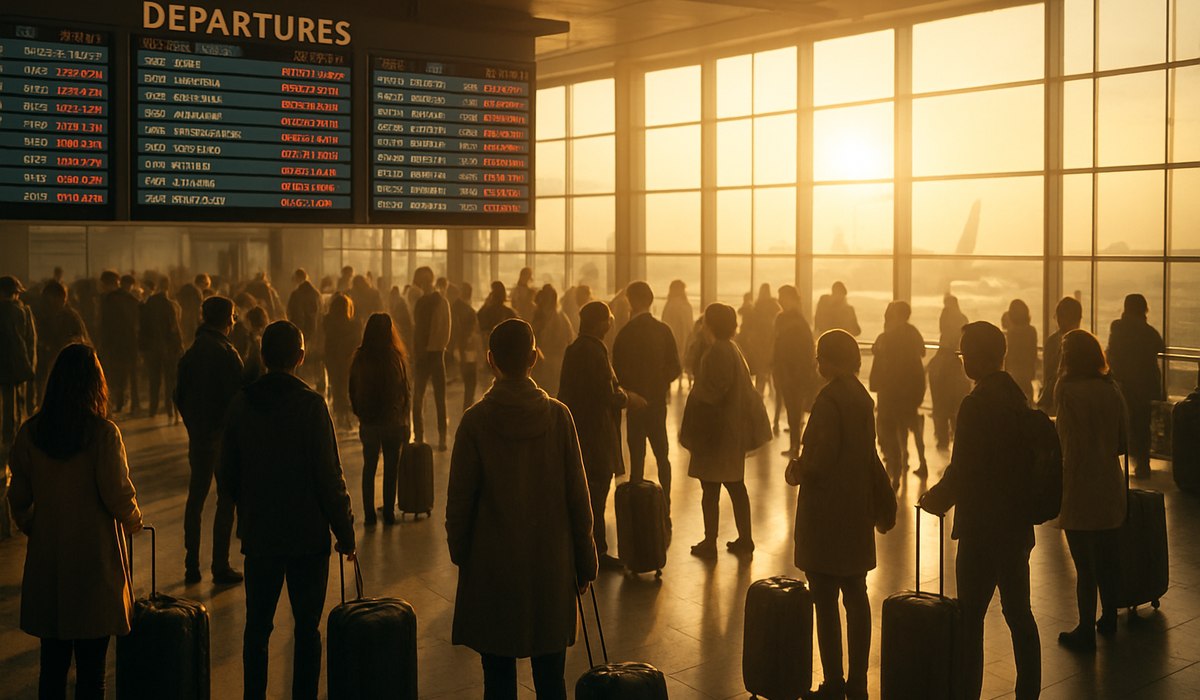
Image generated by AI
Toronto Pearson Logs New Disruption Spike in Early April
Toronto Pearson International Airport is experiencing a significant operational crisis affecting hundreds of passengers daily. On a single day in early April 2026, the airport recorded 34 delayed flights and 14 cancellations, disrupting service across major North American routes. These Toronto Pearson disruptions are cascading through the continent's busiest aviation corridors, impacting Air Canada, WestJet, Air Transat, and numerous regional carriers simultaneously. The situation reflects broader operational strain at Canada's largest aviation hub, where weather complications, staffing limitations, and aircraft repositioning challenges converge to create rolling congestion throughout operating hours.
Cascading Impact on Transborder and Domestic Connections
The ripple effects of Toronto Pearson disruptions extend far beyond the airport's gates into the wider North American flight network. Flights between Toronto and major U.S. hubs like Chicago and San Francisco have experienced both delays and cancellations, affecting passengers traveling on leisure, business, and connecting itineraries. Chicago represents one of North America's most critical aviation crossroads, with multiple daily flights from Pearson operated by competing carriers and alliance partners. When departures slip behind schedule from Toronto, downstream effects emerge across secondary U.S. markets and Caribbean sun destinations where connecting passengers face missed flight windows.
The airport's role as a continental gateway magnifies even modest disruptions. A single cancelled wide-body departure can strand 300+ passengers requiring rebooking across alternative flights sometimes days later. Regional carriers and codeshare partners struggle simultaneously when shared aircraft arrive late or crew scheduling falls out of sync. Ground handling delays, de-icing backlogs, and air traffic flow restrictions compound gate holds, pushing departure times progressively later throughout the day.
For more context on operational resilience during disruptions, check our guide to managing flight delays and cancellations.
Staffing, Weather, and Repositioning Issues Drive Operational Challenges
Early April 2026 brought multiple concurrent operational stressors to Toronto Pearson. Spring weather patterns delivered snow, freezing rain, and reduced visibility conditions requiring intensive de-icing operations that consume ground time disproportionately. These meteorological challenges alone can generate 15-20% delays across an airport's schedule when precipitation is heavy or visibility severely restricted.
Staffing constraints compound weather impacts significantly. Ground service teams, air traffic controllers, and airline operational staff often work extended hours during disruption windows, creating fatigue and reducing operational efficiency. Aircraft repositioning—moving planes to where passenger demand exists—becomes complicated when inbound flights arrive behind schedule, compressing turnaround windows and forcing crews into duty time violations that mandate schedule adjustments.
Maintenance checks scheduled during normal operations cannot be deferred when throughput demands remain high. Baggage system constraints during peak hours create processing backlogs. Catering truck availability and fuel truck positioning further compress available gate slots. These systemic factors, while individually manageable, create multiplicative delays when simultaneous disruptions occur.
Aviation analyst coverage attributes recent Toronto Pearson disruptions to the convergence of seasonal transition challenges, aging ground infrastructure at peak capacity, and industry-wide staffing recovery still underway. Deeper analysis suggests the airport operates near maximum practical capacity during spring and summer months, leaving minimal buffer for weather or mechanical surprises.
What Nomadic Lawyers and Remote Workers Should Know
Digital nomads and remote-based professionals who travel frequently face heightened planning complexity during Toronto Pearson disruption windows. Unlike location-bound commuters, nomadic workers often operate on compressed travel schedules between multiple North American cities, making flight reliability critical to their operational continuity.
Consider implementing these protective strategies: Book flights on earlier departure times when possible—morning flights statistically face fewer cascading delays. Maintain flexible accommodation bookings with cancellation provisions when connecting through Toronto. Monitor airline status pages and flight-tracking sites beginning 24 hours before travel. Arrive at Pearson with extended buffer time during April-May months when disruption frequency peaks. Consider alternative gateways: flights from Montreal, Ottawa, or Buffalo may offer superior reliability during Pearson disruption windows.
For transborder professionals maintaining U.S. client sites or meetings, schedule critical appointments with minimum 3-hour flight buffer. Explore hub alternatives: flying through Chicago or Atlanta for onward U.S. connections sometimes avoids Toronto Pearson disruptions entirely. Travel insurance policies covering flight cancellations provide financial backstop for rebooked itineraries and hotel nights.
Toronto Pearson Disruption Data Summary
| Metric | Value | Impact Scope |
|---|---|---|
| Single-Day Delays (April 10, 2026) | 34 departures | Cascading effects throughout North American network |
| Single-Day Cancellations | 14 flights | 4,200+ passengers requiring rebooking |
| Major Carriers Affected | Air Canada, WestJet, Air Transat, regional operators | Cross-network disruption across alliances |
| Primary Routes Impacted | Toronto-Chicago, Toronto-San Francisco, domestic connections | U.S. transborder and Caribbean leisure routes |
| Primary Contributing Factors | Spring weather, staffing constraints, aircraft repositioning | Systemic operational strain at peak capacity |
| Average Delay Duration | 45-90 minutes | Secondary market delays extend 2+ hours |
| Recovery Timeline | 2-3 days post-disruption | Residual schedule compression continues |
FAQ
What causes flight delays at Toronto Pearson? Multiple factors converge: spring weather requiring intensive de-icing, staffing shortages in ground operations, aircraft arriving late from previous rotations, air traffic flow restrictions, and baggage system processing capacity constraints. When several factors occur simultaneously, delay cascades propagate throughout the day affecting subsequent flights.
How long do Toronto Pearson disruptions typically last? Single disruption events last 6-12 hours operationally, but schedule compression effects persist 2-3 days afterward as aircraft rotations and crew scheduling normalize. Major weather events can extend impacts longer. Monitor your airline's website continuously during disruption windows rather than assuming next-day operations are normal.
Should I book connecting flights through Toronto Pearson during spring? Exercise caution with tight connections through Pearson during April-May. If booking consecutive flights through Toronto, ensure minimum 2.5-hour connection windows for U.S. transborder flights and 3+ hours for international connections. Direct routing avoiding Pearson connections provides superior reliability when available and cost-comparable.
What's my recourse when Toronto Pearson disruptions cancel my flight? Canadian airline regulations (administered by the Canadian Transportation Agency) require carriers to rebook passengers on next available flights at no charge. Carriers must provide meal and accommodation support when cancellations are within airline control. Document all disruption details and retain receipts for potential compensation claims under applicable regulations.
Related Travel Resources
Explore our comprehensive guides for managing North American air travel disruptions:
- Complete Guide to Flight Delay Rights in Canada and the U.S.
- Navigating Major North American Airport Disruptions
- Best Alternative Routes When Toronto Pearson Faces Disruptions
Disclaimer
This article documents publicly available aviation operational data from April 10, 2026, based on flight-tracking services, airline status reporting, and aviation industry coverage. Information reflects conditions on the date of publication and may change as situations develop. For authoritative guidance on specific flight impacts and passenger rights, consult the Canadian Transportation Agency
Disclaimer
This article is for informational and educational purposes only. It does not constitute legal, financial, or professional advice. While we strive to provide accurate and up-to-date information, travel policies, regulations, and conditions change rapidly. Always verify information with official sources before making travel decisions. Nomad Lawyer makes no representations about the accuracy, reliability, completeness, or suitability of the information provided. Readers should consult qualified professionals for advice specific to their circumstances. The views expressed in this article are those of the author and do not necessarily reflect the views of Nomad Lawyer.
Preeti Gunjan
Contributor & Community Manager
A passionate traveller and community builder. Preeti helps grow the Nomad Lawyer community, fostering engagement and bringing the reader experience to life.
Learn more about our team →